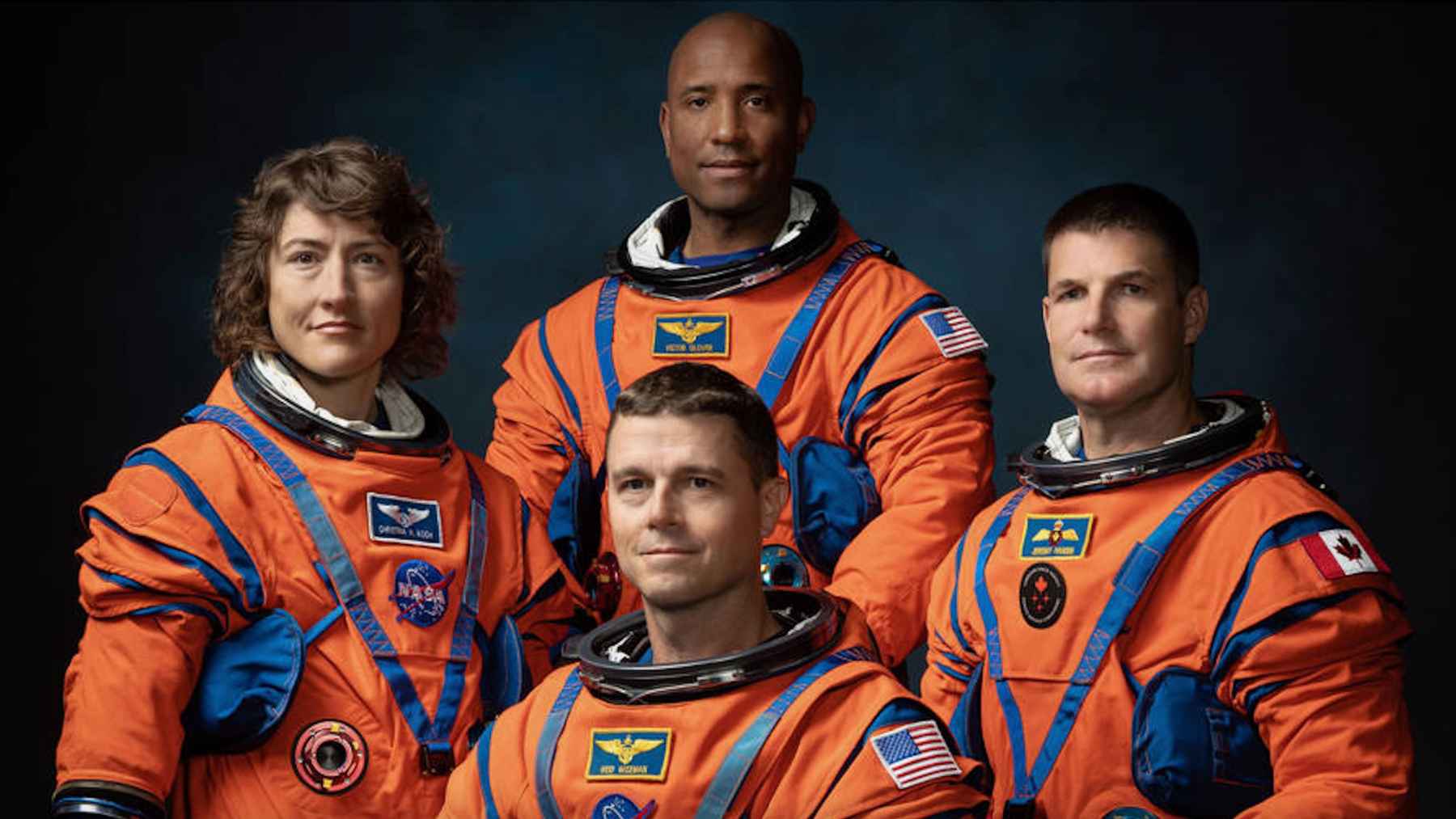
For the first time in NASA history, astronauts heading for the Moon will carry something most of us toss into a pocket every morning, a smartphone.
The agency has approved personal phones, including iPhones, for the upcoming Artemis II lunar flyby and for the SpaceX Crew-12 mission to the International Space Station, breaking a long tradition of banning such devices on government flights.
This policy shift comes while engineers are still working through technical hiccups on the Artemis II rocket. A first full-fueling test in early February revealed hydrogen leaks in the Space Launch System, pushing the mission toward a March launch window, and a more recent helium flow problem now threatens to nudge that date further into spring.
In the middle of that careful engineering grind, NASA is also rethinking how astronauts share their journey with people back on Earth.
Smartphones cleared for the Moon and the space station
NASA Administrator Jared Isaacman announced in early February that astronauts on SpaceX Crew-12 and on Artemis II will be allowed to bring modern smartphones for the first time. He said the change gives crews tools to capture “special moments” and to share more spontaneous photos and video from low Earth orbit and from lunar distance.
Until now, agency crews relied strictly on approved cameras, while private flights such as those run by SpaceX were already letting passengers keep their phones close at hand. Safety rules and long certification campaigns kept consumer devices off government missions even as almost everyone on the ground became used to recording daily life with a quick tap on a screen.
That does not mean lunar astronauts will be live posting from deep space. There is no cell network or open internet connection on the Orion spacecraft, so any images from personal phones will still move through NASA systems before they reach families or social platforms.
Reports on Crew-12 describe photos being stored on board, then relayed through existing satellite links so the agency can decode and release them later.
From strict rules to a more human view of spaceflight
Isaacman has said that clearing smartphones meant asking certification teams to examine long-standing approval procedures and trim steps that no longer made sense. For the most part, those old rules protected missions, but they also left astronauts using cameras that felt noticeably older than the devices many people now use to film a school play or a weekend hike.
The administrator previously flew private missions such as Polaris Dawn with Polaris Program, where crews already relied on smartwatches and tablet-based tools in orbit. NASA research partners on that mission studied health data gathered from wearable devices, helping build confidence that commercial electronics can work safely in space when they are tested properly.
That experience, Isaacman has suggested, helped convince the agency that vetted smartphones can survive radiation, vibration, and the closed environment of a crewed spacecraft.
Artemis II, hydrogen leaks and a shifting schedule
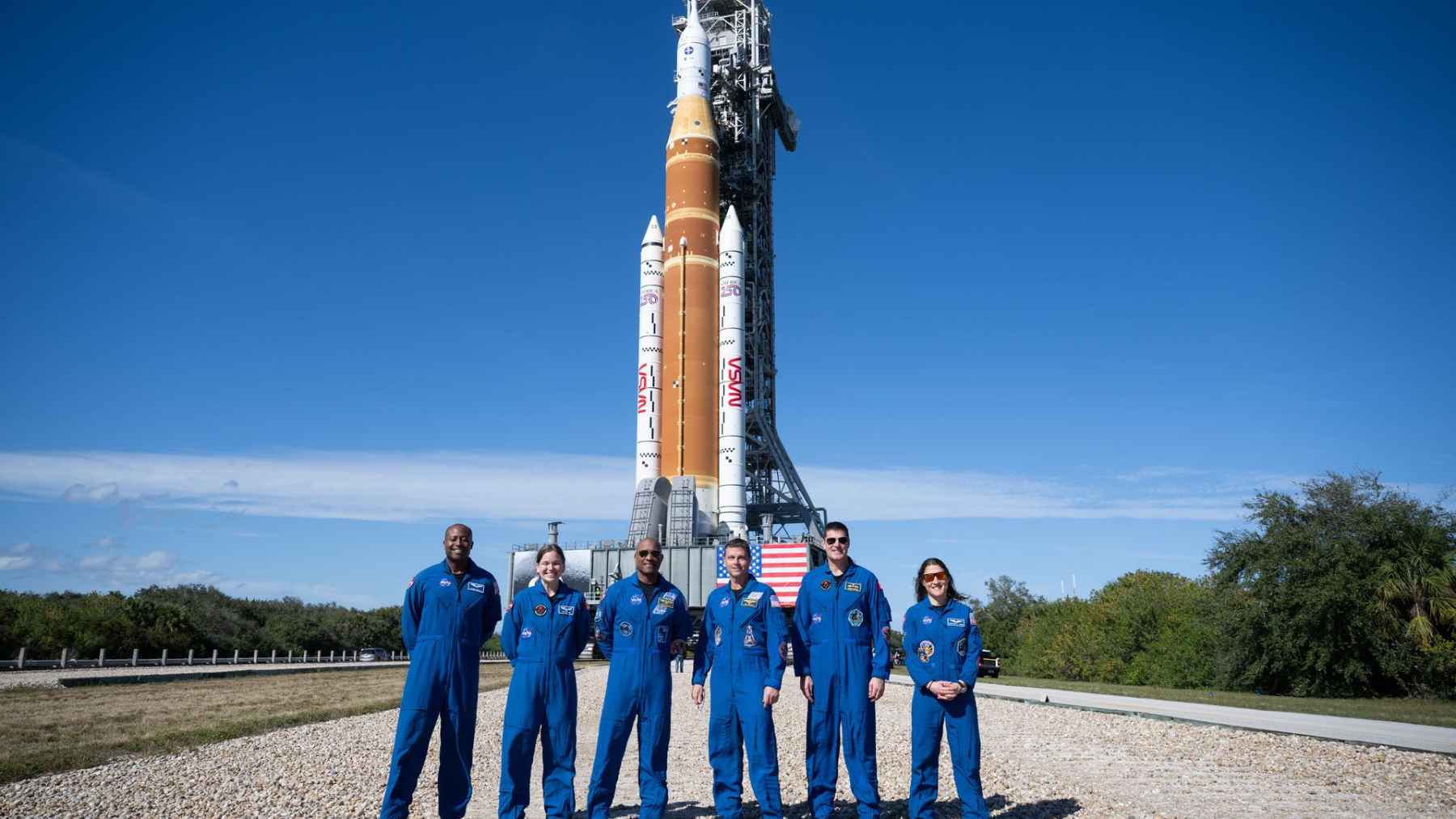
Artemis II is designed as the first crewed flight of the Orion capsule and the huge Space Launch System rocket, sending four astronauts on roughly a ten day loop around the Moon without landing. If all goes as planned, it will be the first time humans travel beyond low Earth orbit since Apollo 17 in 1972.
During a wet dress rehearsal in early February, engineers at Kennedy Space Center loaded more than seven hundred thousand gallons of super cold propellant into the rocket and then saw liquid hydrogen leaking at a connection called the tail service mast umbilical.
After teams replaced seals and ran a second test with acceptable leak levels, NASA briefly targeted a March launch window, before a separate helium flow issue in the upper stage appeared and forced planners to look toward April instead.
Cameras, 4K video and what astronauts will actually use
Even before smartphones entered the picture, Artemis II was on track to be one of the most visually-rich lunar missions ever flown. A technical briefing from the Orion Imagery Working Group describes two Nikon D5 DSLR cameras, plus lenses and a ZCube video encoder, to record high-definition and ultra-high-definition footage from inside the capsule.
These cameras were chosen in part for their ability to handle harsh contrast between bright sunlit hardware and deep shadow in space.
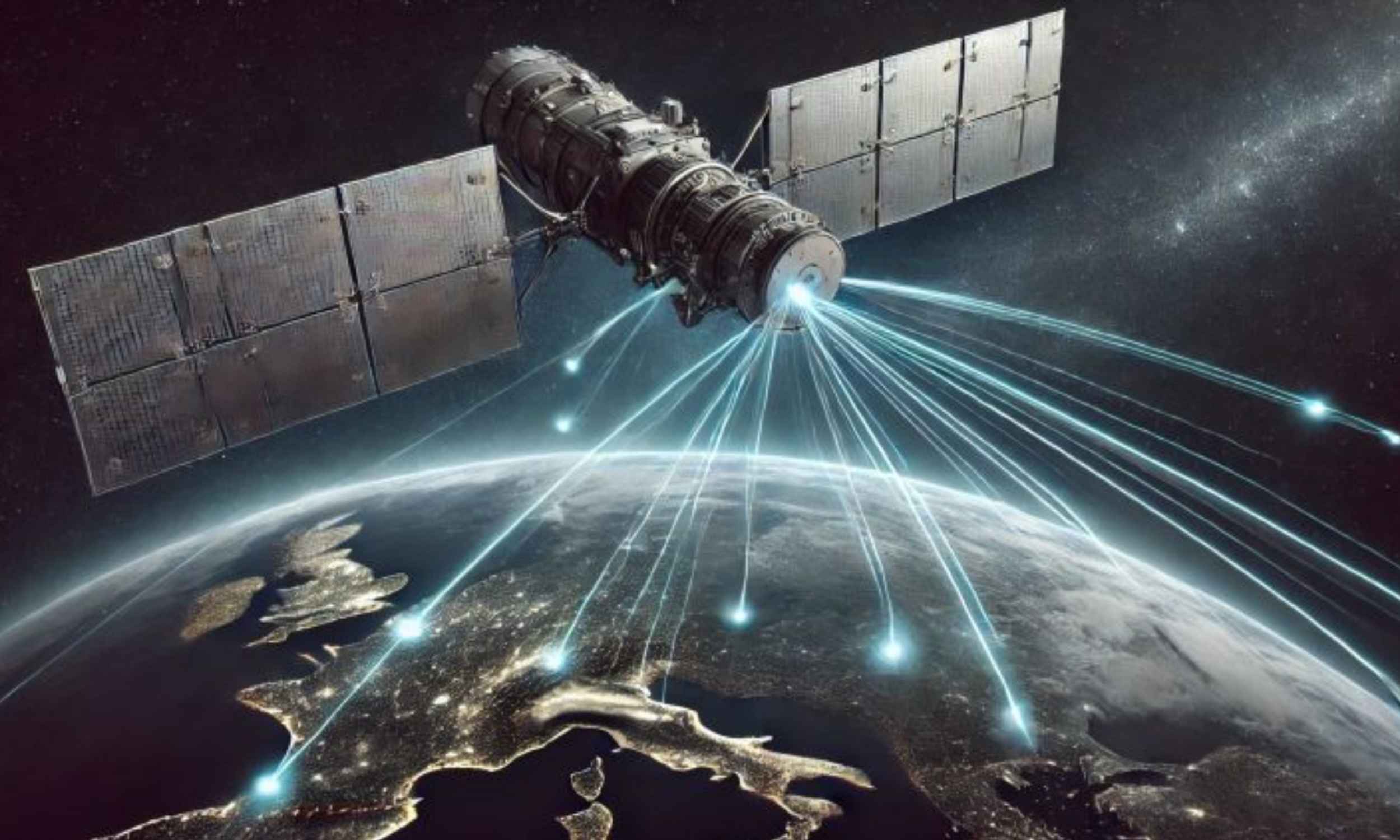
NASA has also equipped Orion with an optical communications system known as O2O that uses lasers to stream 4K video from lunar distance to ground stations in New Mexico and California.
In practice, that means viewers on Earth could see crisp live views of the Moon while personal phones capture casual clips, crew reactions, and unscripted shots that rarely make it into official mission highlight reels.
How phones highlight the tech gap since Apollo
The last time a crew set off for the Moon, the idea of slipping a powerful computer into a flight suit pocket would have sounded like science fiction.
Analyses of Apollo-era hardware suggest that modern smartphones contain millions of times more computing power than the guidance computers that helped land Apollo 11, even though those older machines were marvels of their time.
Some of the core technologies inside today’s phones actually grew out of space research. NASA backed early work on compact CMOS image sensors so that spacecraft could carry lighter, more efficient cameras, and it helped advance satellite navigation that became the foundation of modern GPS.
Now those same advances sit inside devices used to navigate city streets and record vacation videos, and they are about to ride back toward the Moon on Artemis II.
Why this small rule change matters
Letting astronauts carry phones may look like a minor comfort on a mission that also depends on towering rockets and complex life support systems. Yet researchers and mission planners say it could change how future flights are documented, because phones make it easy to grab quick impressions and record everyday routines that rarely show up in formal imagery plans.
The new rule already applies to International Space Station crews starting with SpaceX Crew-12, and NASA expects later Artemis missions to benefit as well. When Artemis II finally lifts off, the first smartphone photos from lunar distance will travel back through the same kind of screens people use to check a weather app or text a friend.
The official policy change has been announced by NASA, the National Aeronautics and Space Administration. The official statement about smartphones on Crew-12 and Artemis II was published on NASA Administrator Jared Isaacman’s.