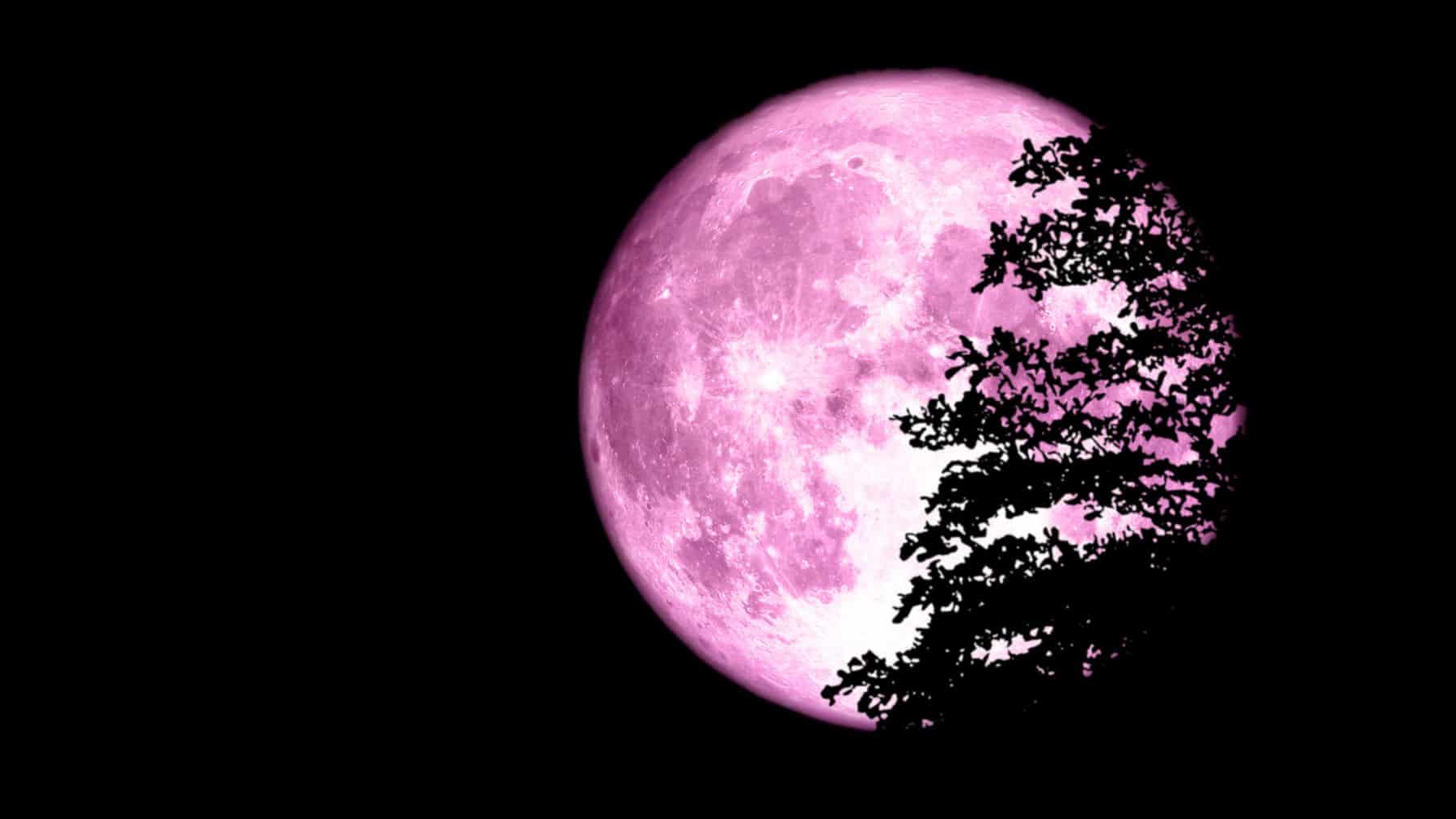
The Pink Moon will become visible to everyone in the United States as it lights up the sky on April 12, 2025. This evening, the Pink Moon will shine as a small full Moon. The upcoming celestial Pink Moon provides an outstanding viewing opportunity, and this article shares all the necessary details. Be sure to note down the date when you will experience this uncommon lunar sight.
Due to this position of the full moon, we term it a Pink Micromoon
When the Moon completes its orbit at apogee during a full phase, it produces a micromoon event. Its distance from Earth causes the moon to appear smaller and fainter during this event. Although called the Pink Moon, this celestial object will show no pink hues. The Pink Micromoon name arises from early spring blooming moss phlox (Phlox subulata).
According to Christian tradition, the Pink Moon is named the Paschal Moon because it marks the start of spring and guides when Easter should fall. The Pink Moon will fully develop at 8:22 p.m. ET on April 12 and approach its highest distance from Earth on April 13.
Follow these tips to enjoy the Pink Micromoon sky show more effectively.
- Find an unobstructed spot to observe the Pink Micromoon by facing towards both east and west.
- Check for obstructions in your eastern and western horizon to view the moon’s natural movement.
- Watch the moon’s earliest rise to see its largest view from the moon illusion.
- Use a telescope or binoculars to see the moon’s surface details more clearly.
Look up local weather reports since poor sight lines appear with changing weather patterns. Despite a cloudy sky, the moon remains visible when clouds shift their position. To preserve the moment, consider bringing your camera mainly during moonrise. You will get the most beautiful micromotion pictures when you take them close to the horizon.
People assign spiritual importance to this micromoon despite being scientists.
Throughout history and culture, people have assigned different meanings to the Pink Moon. Apart from its connection to moss phlox blooming, this plant receives multiple seasonal names representing springtime. Native American tribes identify this moon by four names: Breaking Ice Moon, Moon When the Geese Lay Eggs, Moon When the Ducks Come Back, and Frog Moon.
Regular Christian communities use the Pink Moon to calculate the date of Easter since it represents the Paschal Moon in religious tradition. The Pink Moon marks Easter through its position as the first Sunday after the coming of the spring equinox and one full moon period. In 2025, Easter will occur on April 20 to mark the Sunday after the Paschal full moon. People in ancient times used seasonal lunar naming systems to observe monthly changes in nature and time.
These April 2025 lunar phases you should keep an eye on
The lunar phases during April 2025 will provide viewers with enjoyable experiences. Make a note of these important dates for your schedule:
- First Quarter Moon: April 4, 10:15 p.m. ET
- Full Moon (Pink Micromoon): April 12, 8:22 p.m. ET
- Last Quarter Moon: April 20, 9:35 p.m. ET
- New Moon: April 27, 3:31 p.m. ET
During moon viewing, each stage offers separate ways to admire it, including the first quarter’s strong shadows and the best time to spot stars during the new moon’s total darkness. People of every astronomy level can enjoy observing the moon throughout April because it provides many viewing opportunities. Many people use the Pink Micromoon opportunity to discover lunar science while enjoying its appearance in the sky.
Groups like families and schools, plus astronomy hobbyists, benefit from this occasion by igniting interest in astronomy and Earth sciences. You can make learning about this event more interactive through community moon-viewing events and astronomy club sessions. Look at the dark sky for several minutes to enter into total darkness and see the night better. Software tools help you know where the moon is located during your observation. Shared or done alone, the moonlit sky offers pleasant views that deserve your focus.