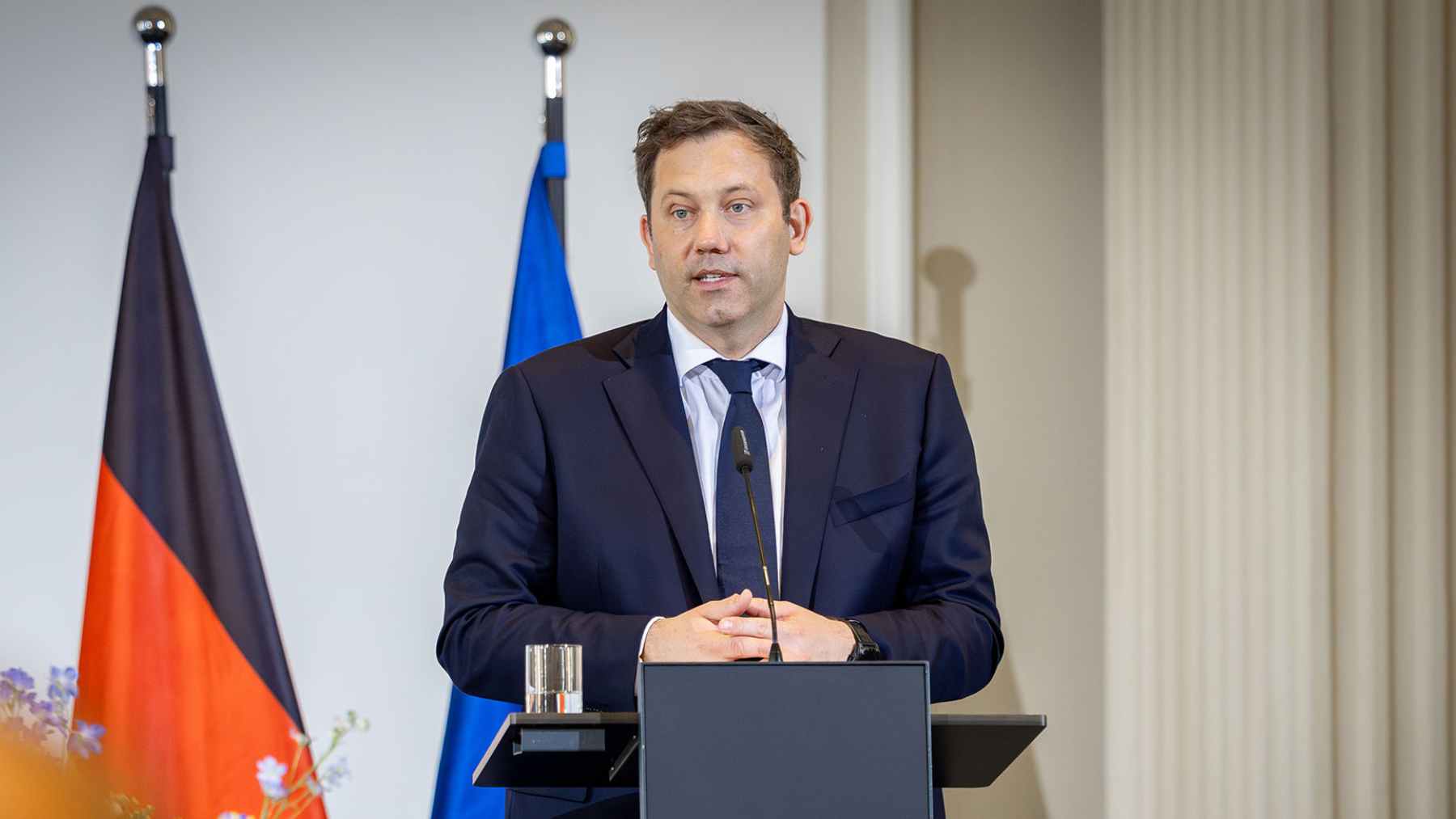
Greenland, usually known for icebergs and polar bears rather than diplomatic crises, is suddenly at the center of a global tug of war. Germany’s finance minister Lars Klingbeil has reminded Washington that “international law applies to everyone, including the United States” after President Donald Trump again threatened to seize the Arctic territory from Denmark.
Why are finance ministers suddenly talking about glaciers and rare earths in the same breath? Klingbeil also underlined that any decision about Greenland’s future rests with Denmark and Greenland, and warned that any military move would shake NATO unity.
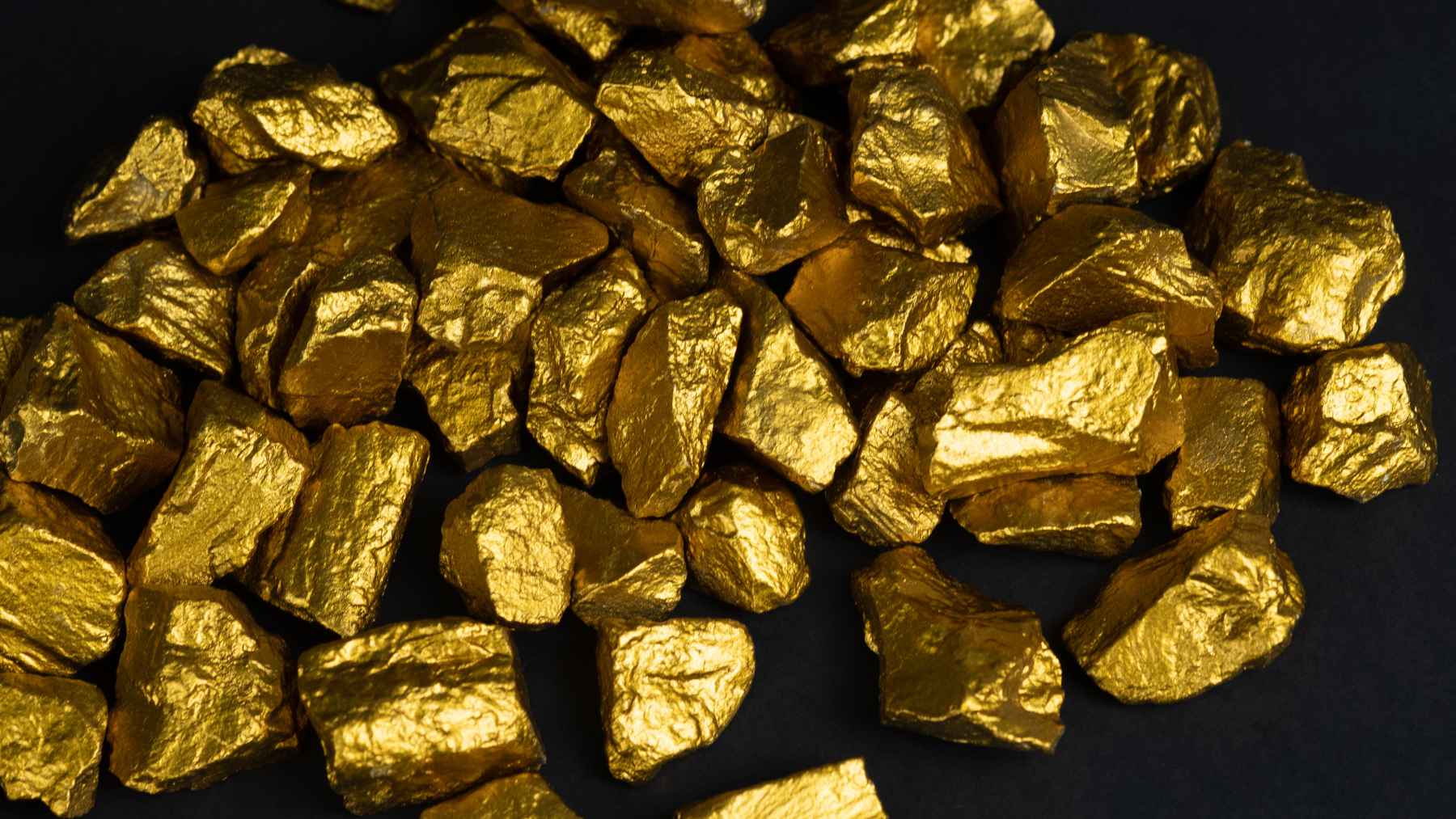
Behind the headlines is a scramble for critical minerals such as rare earth elements that power electric vehicles and wind turbines beneath Greenland’s surface.
The Greenland ice sheet already accounts for around one-fifth to one-quarter of current global sea level rise and could add many inches more by the end of the century if warming continues. That extra water shows up on familiar coastlines.
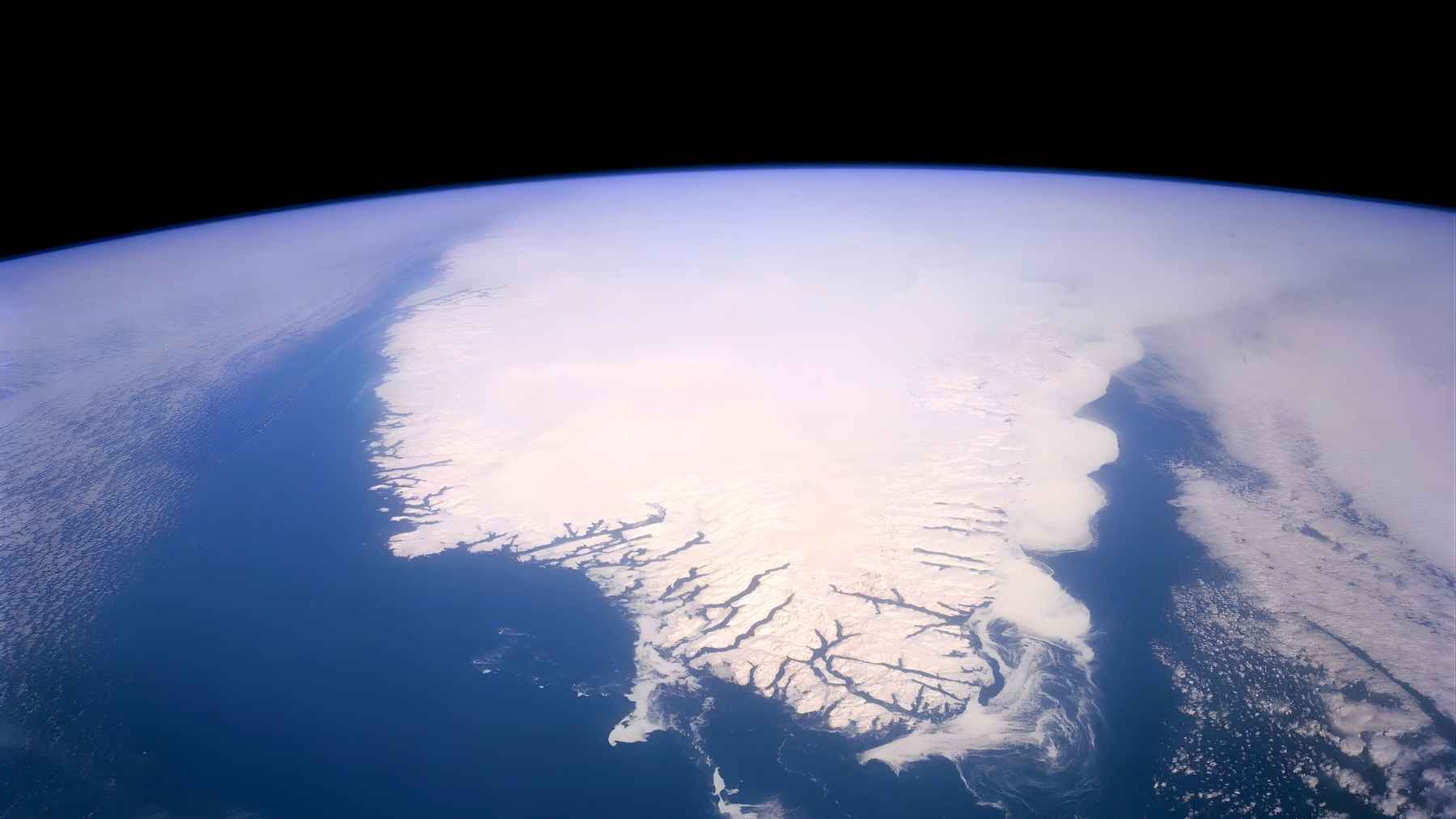
Greenland is also home to polar bears, musk oxen, whales and reindeer that depend on sea ice, tundra and rich coastal waters, along with Indigenous communities that rely on hunting and fishing. Melting and more ship traffic are already reshaping these Arctic ecosystems that help regulate the global climate.
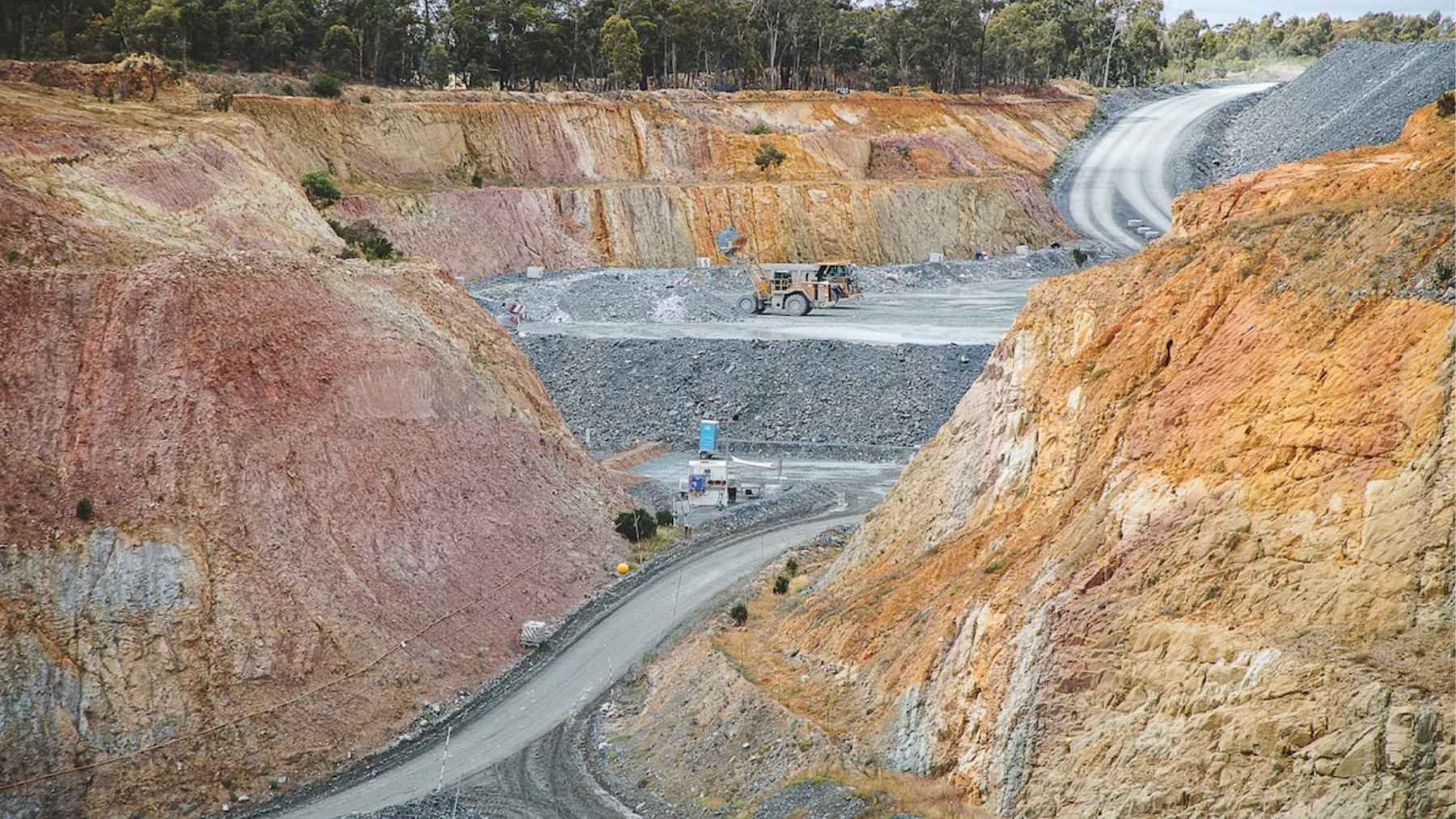
Experts warn that a rushed mining boom could bring toxic chemicals and radioactive waste into a fragile landscape while Greenland tries to grow tourism. Rare earth ores there are mixed with complex rocks, so separating them would require heavy processing in a region with few roads, ports or power lines.
The Greenland showdown is becoming a test of whether the rush for critical minerals can respect both international law and a rapidly warming Arctic, with policy analysts calling for patient statecraft and long-term partnerships.