Europeans know what a brutal heat wave feels like. Trains slow down, hospital waiting rooms fill up, and apartments stay hot long after sunset. New research now says some of the continent’s worst past heat waves would be far more deadly if they struck in today’s warmer climate.
A study in Nature Climate Change led by climate scientist Christopher Callahan finds that if major European heat waves from recent decades happened again today, weekly deaths could approach the worst weeks of the COVID pandemic. The work suggests that even with better warning systems and air conditioning, Europe remains dangerously exposed to extreme heat.
Replaying Europe’s worst heat waves in today’s climate
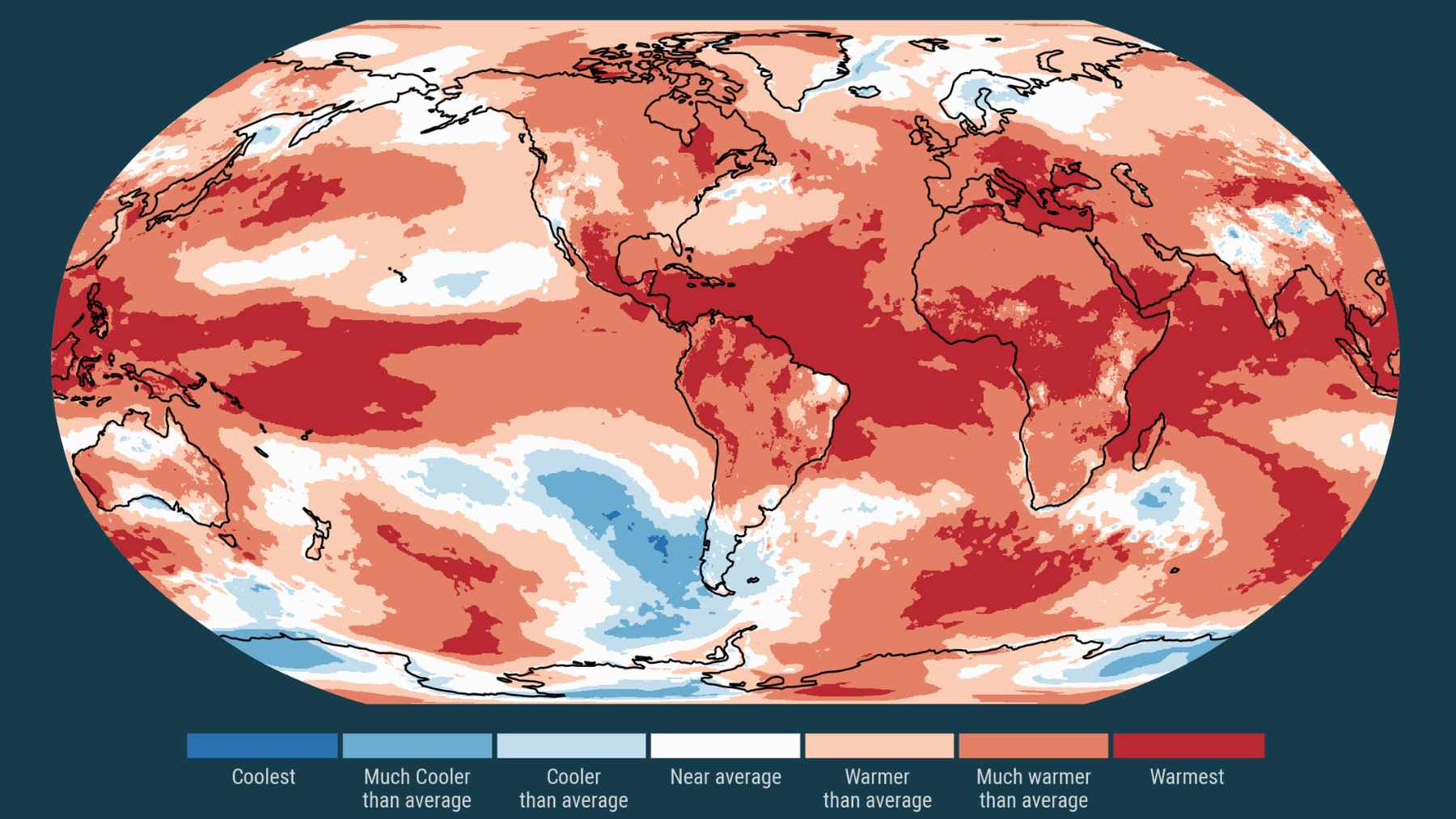
Instead of guessing about future heat waves, the research team asked what would happen if real weather patterns from past events returned over a warmer planet. Global temperatures have already risen close to one and a half degrees Celsius above preindustrial levels, so the same weather now sits on top of a much hotter background.
Callahan and colleagues at Stanford University and Indiana University focused on five multi week events, including the August 2003 disaster in Western Europe. They used artificial intelligence trained on climate model simulations and fed in the atmospheric conditions from those periods, then combined the resulting temperature maps with death records from 924 regions across Europe to estimate how many extra people would die at different warming levels.
A 2003 style heat wave would now kill far more people
The 2003 heat wave already ranks as one of Europe’s deadliest disasters, with more than twenty thousand deaths across the continent. In the new analysis, repeating the same weather in today’s climate would lead to about 17,800 excess deaths in a single week, compared with roughly 9,000 in a world without human caused warming.
At three degrees of global warming, a 2003 style event becomes even more alarming. The study projects weekly excess deaths around 32,000, and co author Marshall Burke says such events “could be as bad as some of the worst weeks of COVID by mid century.”
Why adaptation still falls short
Deadly European heat waves usually appear when a high pressure system stalls and traps hot air over the continent, a setup sometimes called a heat dome. When this follows months of low rainfall, dry soils and clear skies let the land bake, pushing temperatures higher day after day and putting extra strain on hearts and lungs.
Governments have taken steps since 2003, from heat warning systems to cooling centers and campaigns that urge families to check on older relatives. Yet the new study finds that if adaptation continues on its current path, these measures would prevent only about one in ten deaths expected from future extreme events, leading Burke to warn that “we are just so underprepared for these events”.
Heat already kills tens of thousands across Europe
The projections build on a grim reality. A Nature Medicine study led by the Barcelona Institute for Global Health estimated that Europe saw about 62,775 heat related deaths in the summer of 2024 alone and more than 181,000 across the summers of 2022 to 2024 combined.
Those deaths highlight how limited human adaptation can be. Even in the warmest regions, the Nature Climate Change study finds a sharp jump in deaths once daily temperatures pass roughly 30 degrees Celsius, while the United Nations Environment Programme warns that global adaptation funding and current climate pledges still fall far short of what is needed to protect people from growing extremes.
Keeping people safe will require faster cuts in greenhouse gas pollution and much stronger plans to live with heat that once seemed unthinkable. The next time the forecast shows a week of unbroken sun and sticky nighttime temperatures, the key question will be whether Europe is finally prepared.
The main study was published on Nature Climate Change.