Flip on the kitchen light, see a roach sprint under the fridge, and the first instinct is often to grab a can of spray. The problem is that nobody wants that chemical mist near dinner plates, pets or kids. That is why a simple mix of onion and baking soda is suddenly getting attention among people who prefer low-impact solutions at home.
Supporters say this homemade bait can thin out cockroach numbers while avoiding much of the pollution that comes with repeated insecticide use. Integrated pest management, promoted by agencies such as the U.S. Environmental Protection Agency, already encourages a mix of cleaning, sealing and targeted low-toxicity tools to cut both pests and pesticide exposure.
Why people mix onion with baking soda
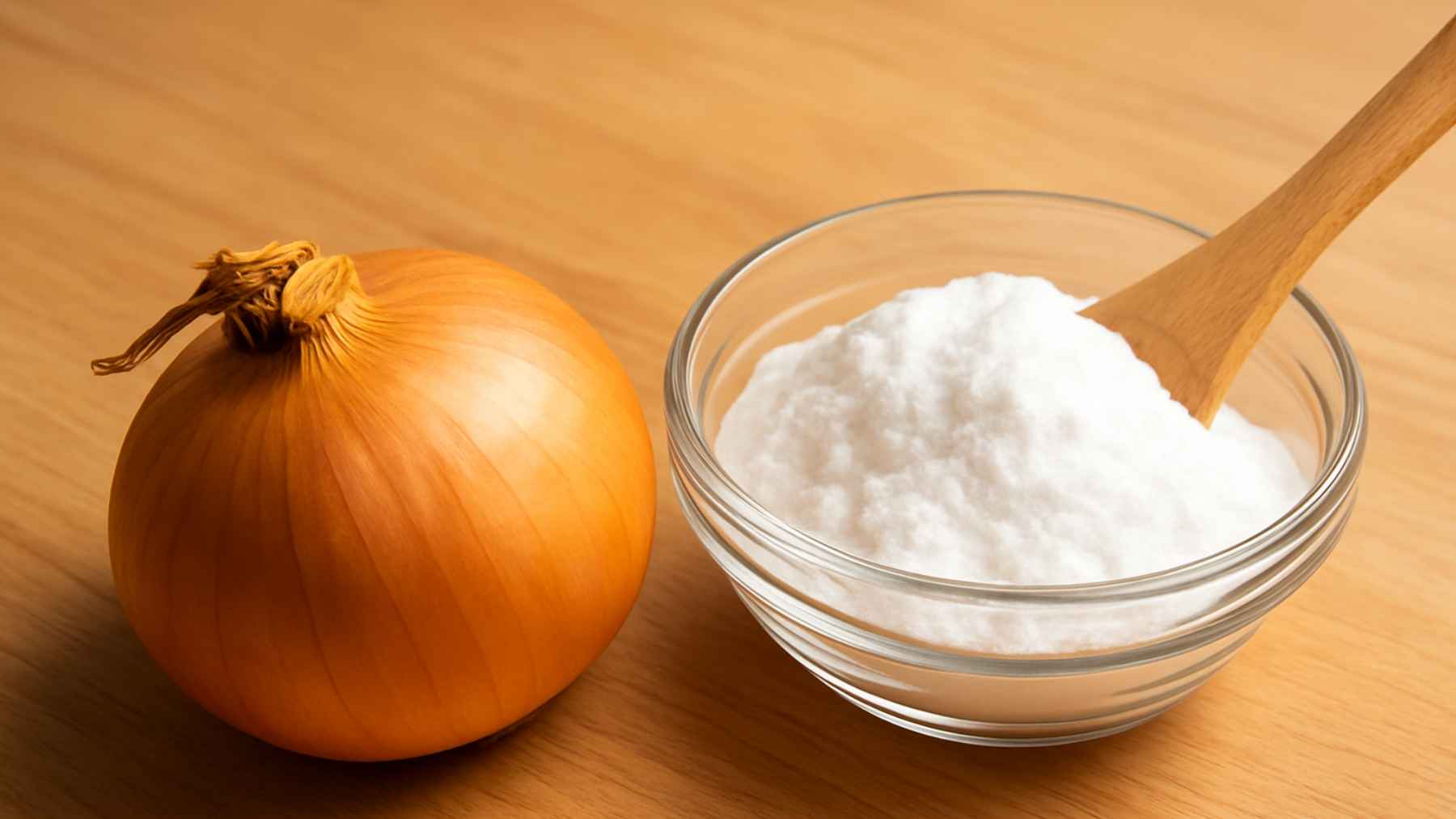
The recipe travels fast online. Finely chopped onion or onion powder, sometimes with a spoonful of sugar, is used as the lure. Roaches are drawn in by the strong smell and easy calories. Baking soda, a mild alkaline salt, is the part that harms them once they eat the mix and later drink water.
A recent field study in Ghana tested traps baited with peanut butter or sugar plus baking soda in kitchens, storerooms and a student bedroom. Compared with traps that contained food alone, the baking soda mixtures killed significantly more German and American cockroaches, two of the most common indoor pest species.
Researchers described how sodium bicarbonate, once ingested, forms carbon dioxide inside the insect. That gas build up disrupts organs and the protective exoskeleton and can eventually kill the roach. Viral posts that talk about roaches “exploding” are catchy, but the evidence points to internal damage rather than cartoon-style fireworks.
Health reasons to care about roaches in the first place
Cockroaches are not only unpleasant. They carry bacteria, fungi and parasites from sewers, drains and kitchen waste onto counters, dishes and stored food. Their bodies, droppings and saliva are well-known indoor allergens that can trigger asthma, especially in children.
A team at North Carolina State University recently showed that homes with heavy cockroach infestations had much higher levels of airborne allergens and bacterial endotoxins. When professional pest control eliminated the roaches, both indicators dropped sharply, improving indoor air quality.
At the same time, frequent use of insecticide sprays can leave residues in house dust. Studies cited by the Ghana research team link long-term pesticide exposure with a range of acute symptoms and possible chronic health effects, which is why safer alternatives are being explored.
How to use the mix without creating new problems
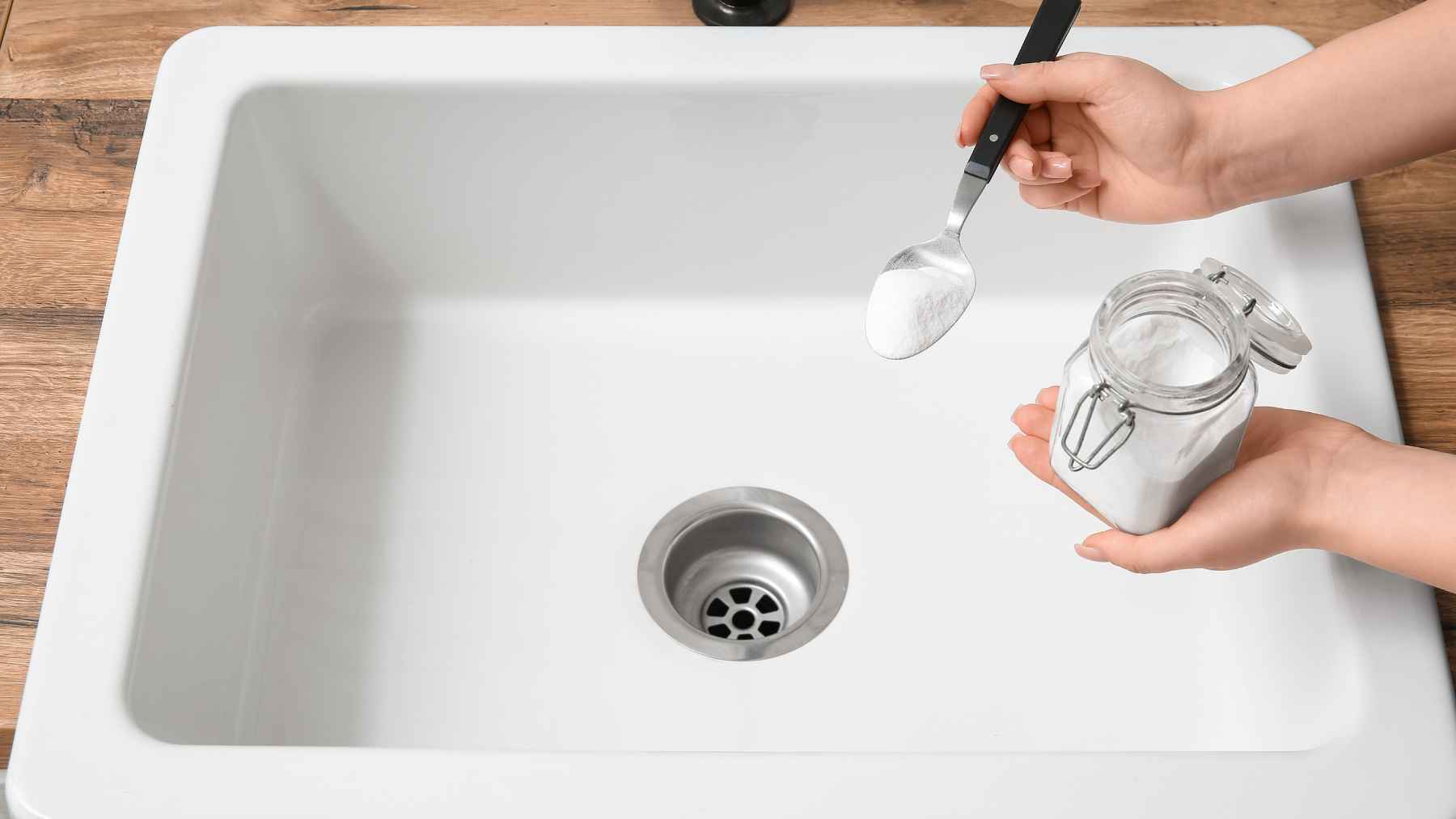
For a mild roach problem, the onion and baking soda bait can be part of a broader plan. Small spoonfuls of chopped onion mixed with baking soda and, if desired, a little sugar can be placed in shallow lids behind appliances, along baseboards and near cracks along the wall. The mix needs to be refreshed every day or two so it stays moist and attractive.
Pet safety is a real concern. Onions are toxic for dogs and cats, and veterinary groups report that relatively small amounts can damage red blood cells and cause anemia.
Baking soda itself is low toxicity but large doses are not advised for animals or children. Baits should stay in places that little hands and curious noses cannot reach.
Pest specialists also stress that no bait works if the kitchen still offers easy food, water and shelter. Regular cleaning, sealed food containers, covered trash, dry sinks and sealed gaps are still the backbone of integrated pest management at home.
The same combo in the frying pan
Interestingly, onion and baking soda also team up in cooking. Food scientists explain that a tiny pinch of baking soda in a pan of onions raises their pH and speeds browning, which can cut caramelizing time from nearly an hour to little more than ten minutes. Used too generously, though, it turns onions into a soft paste with an odd, soapy taste.
At the end of the day, this humble pairing reflects a wider shift in home life. Many households want cleaner air, fewer pests and less reliance on harsh chemicals, without spending a fortune at the hardware store. For small infestations, an onion and baking soda bait fits that movement quite well, as long as it is combined with good hygiene, structural repairs and, when needed, professional help.
The study was published in The Journal of Basic and Applied Zoology.