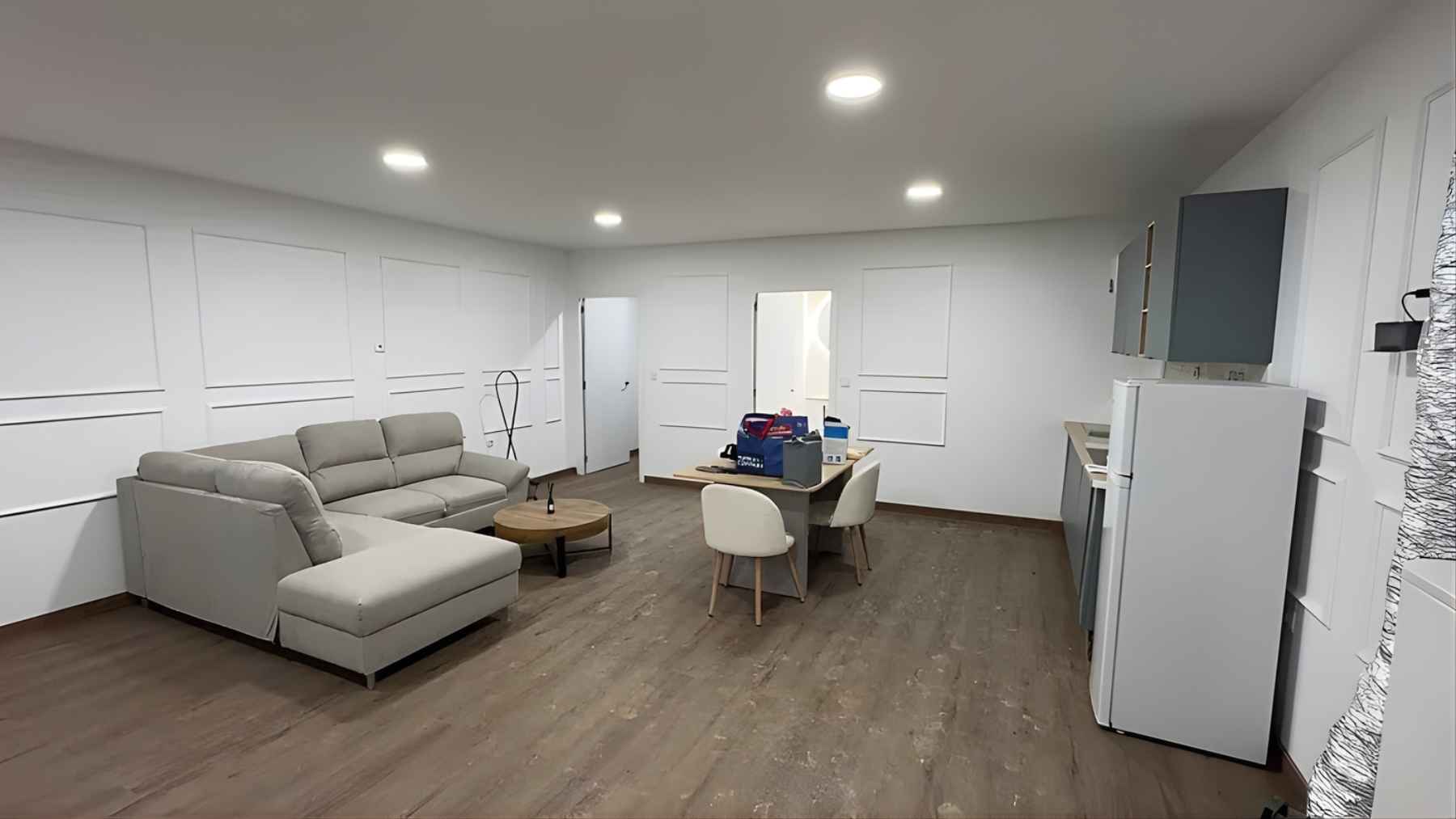
When headlines talk about war reaching Europe, hiding underground stops feeling like pure science fiction. In Spain, demand for private bunkers has surged since Russia invaded Ukraine and EU officials warned that large-scale conflict on the continent cannot be ruled out.
Industry figures and media reports point to roughly a 200% jump in private bunker construction since 2022.
That anxiety is pushing some families to think beyond the usual first aid kit in a closet. Yet not every basement or reinforced room can really protect you in a nuclear or chemical emergency. To offer a real chance of survival, a bunker needs specific depth, structure, air systems, supplies, and a solid plan for life underground, not just a thick door and good intentions.
Why bunker demand is rising now
Across Europe, the European Union is urging households to prepare emergency kits that can keep them self sufficient for at least seventy two hours during a disaster or possible attack. Officials talk about food, water, medicines, flashlights, radios, and key documents in one grab-and-go bag, much like having insurance that you hope never to use.
In Spain, many people now see that basic kit as only the first step. Media and government sources estimate around four hundred private bunkers in the country, but only four public shelters designed to withstand a nuclear strike, mostly around Madrid. That leaves Spain far behind countries such as Germany and France, where civil defense networks and shelters are much denser.
At the end of the day, what many families want is a realistic option rather than a billionaire-style underground palace. They are thinking about a place where they could sit out two difficult weeks with the kids, listen to the radio, manage the stress, and then walk back upstairs to regular problems like work, school, and the electric bill.
Depth, location, and structure that really protect
Specialist builders stress that the plot matters almost as much as the concrete. A safe bunker is ideally placed away from obvious strategic targets and heavy industry, and the ground around it is checked for stability, drainage, and soil pressure so the structure does not crack under blast waves or shifting earth.
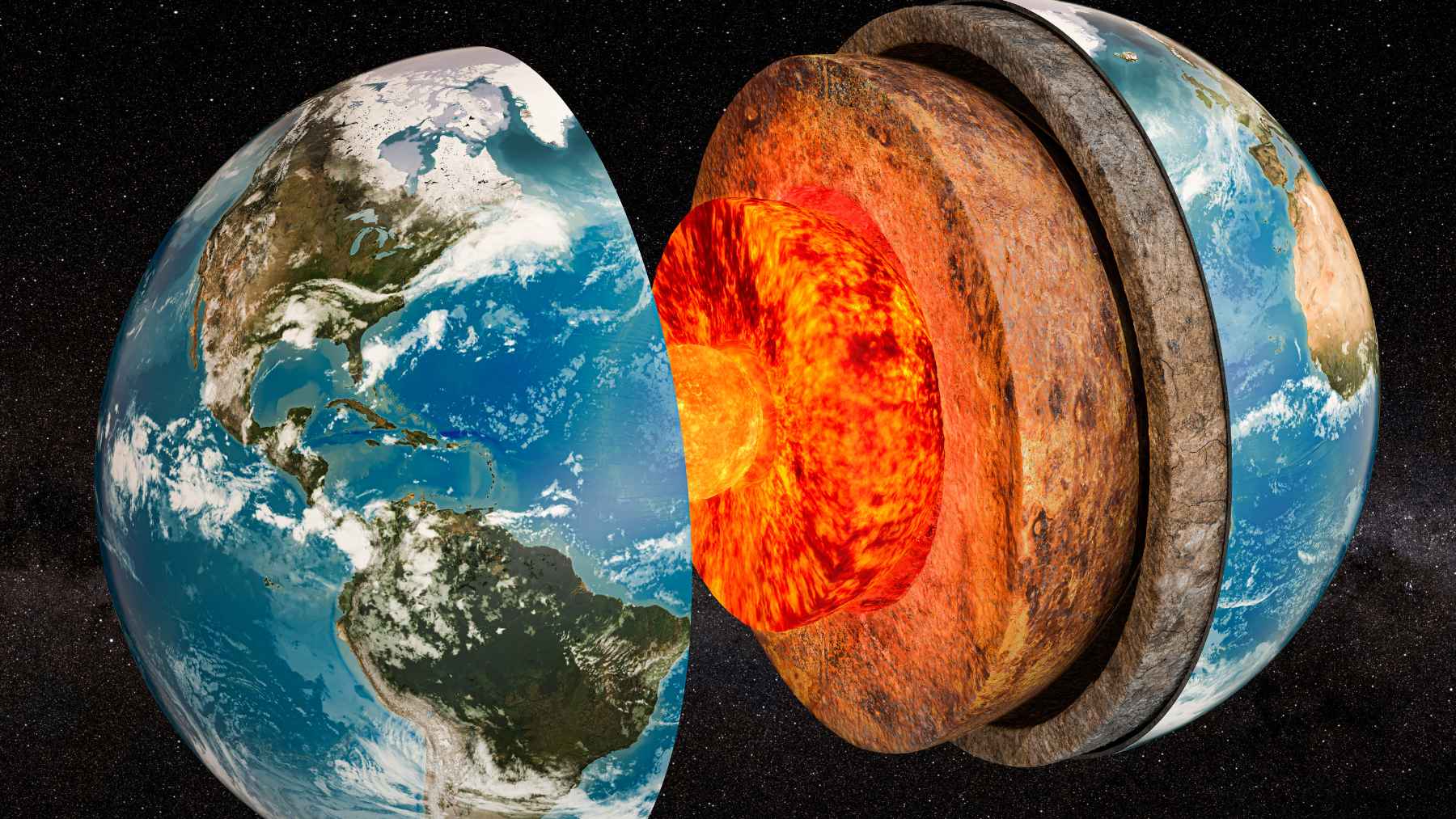
Experts interviewed by outlets such as Euronews and Infobae agree on one key figure for nuclear risk. An effective shelter should sit at a depth of at least ten meters, with reinforced concrete walls, a sealed shell, and steel cladding in the case of antinuclear designs so radiation is significantly reduced before it ever reaches the interior.
That level of protection is not cheap. Reports from Spain describe an average private bunker price around €150,000, with luxury builds by companies such as Búnker VIP exceeding €350,000, while simpler adaptations of basements or farm outbuildings come in lower for owners who accept more basic comfort.
Air, water, food, and medicine underground
Once the shell is in place, the next priority is breathing safely. Modern shelters use mechanical ventilation combined with high-grade filters to block nuclear fallout dust, chemical agents, and biological particles so the air inside stays breathable even if the outside environment is badly contaminated. Systems are designed so that if power fails, there is still some way to move and clean air.
Water and food decide how long you can stay inside. Spanish guidance based on civil protection standards recommends stored drinking water and non-perishable food for at least two weeks, which covers the period when radioactivity outside is likely to be highest. This fits with the EU idea of a 72-hour survival kit but stretches it to match nuclear scenarios rather than short storms or blackouts.
Medical gear can be the difference between a frightening stay and a fatal one. Authorities and preparedness guides mention essential medicines, basic first aid materials, hygiene products, and in nuclear cases iodine tablets that authorities may distribute to protect the thyroid, along with items as mundane as toilet paper that quickly feel vital when you cannot leave.
Power, communication, and staying sane
In an emergency you need information as much as calories. Bunkers are usually fitted with battery-powered or crank radios, sometimes shortwave sets, so occupants can receive official instructions even if cell networks fail. Simple tools like extra batteries and power banks mean you are not staring at a dead screen while wondering what is happening outside.
Power keeps filters, pumps, and lights running. Spanish and international companies install combinations of generators, fuel tanks, solar panels, and battery banks so that even if the grid goes down, people inside still have air, water pressure, and some light, which makes a huge difference when the hours stretch into days.
Comfort is not a luxury add on, it helps people stay calm and cooperative in a confined space. The Infobae report notes that good bunker designs include sleeping areas, small entertainment corners, and proper toilets, while global firms such as Vivos Survival Shelters market high-end complexes with apartment style layouts for long stays. Even in a modest shelter, a few books, board games, or a small screen can help time pass more humanely.
Public shelters, private bunkers, and simple steps at home
Right now, the number of truly protected public spaces in Spain is very limited. Press reports and civil protection sources agree that there are only four antinuclear public refuges, located at the presidential complex of Palacio de La Moncloa, the Base Aérea de Torrejón de Ardoz, the bunker in El Capricho park in Madrid, and the underground shelter beneath Hotel Ébora, alongside an estimated four hundred private bunkers nationwide. Some metro tunnels could give limited protection but would still be exposed to radiation.
The Government of Spain is working on a National Civil Protection Plan focused on war-related risks, yet those public works will take time and will not reach every neighborhood. Until then, most people will never see the inside of a full-scale bunker, and cost alone puts private shelters out of reach for the vast majority of households.
So what can an ordinary family do while policymakers and engineers draw up plans. Preparedness experts point to simple steps such as assembling a three-day emergency kit, learning local alert systems, and talking through where to go if sirens ever sound. Countries like Japan run regular civil defense drills and public education campaigns, a model that Spanish officials and EU leaders say could improve resilience without feeding panic.