When European officials recently urged households to prepare a 72 hour survival kit, the message felt both practical and unsettling. The list included a radio and spare batteries, basic medicines and hygiene products, simple tools, key documents, and enough nonperishable food and water for three days.
Yet while most families picture a couple of bags in a closet, a small group of millionaires is investing in something very different. Their version of preparedness looks more like a luxury condo buried underground, and at the top of that market sits a 30 million dollar bunker intended to ride out almost any disaster.
A basic survival kit for most, underground palaces for a few
Emergency planners presented the 72 hour kit as a way for households to cope with power cuts, supply disruptions, or short periods without public services. It is the kind of advice that asks people to think ahead without panicking.
Bunker builders say the private market has moved far past that modest checklist. Spanish company Underground Building reports that interest in its shelters has jumped by about ninety percent since the war in Ukraine began, and in the United States bunker executive Gary Lynch estimates that purchases have climbed roughly three hundred percent since Donald Trump first won the presidency in 2016.
Inside the 30 million dollar luxury bunker
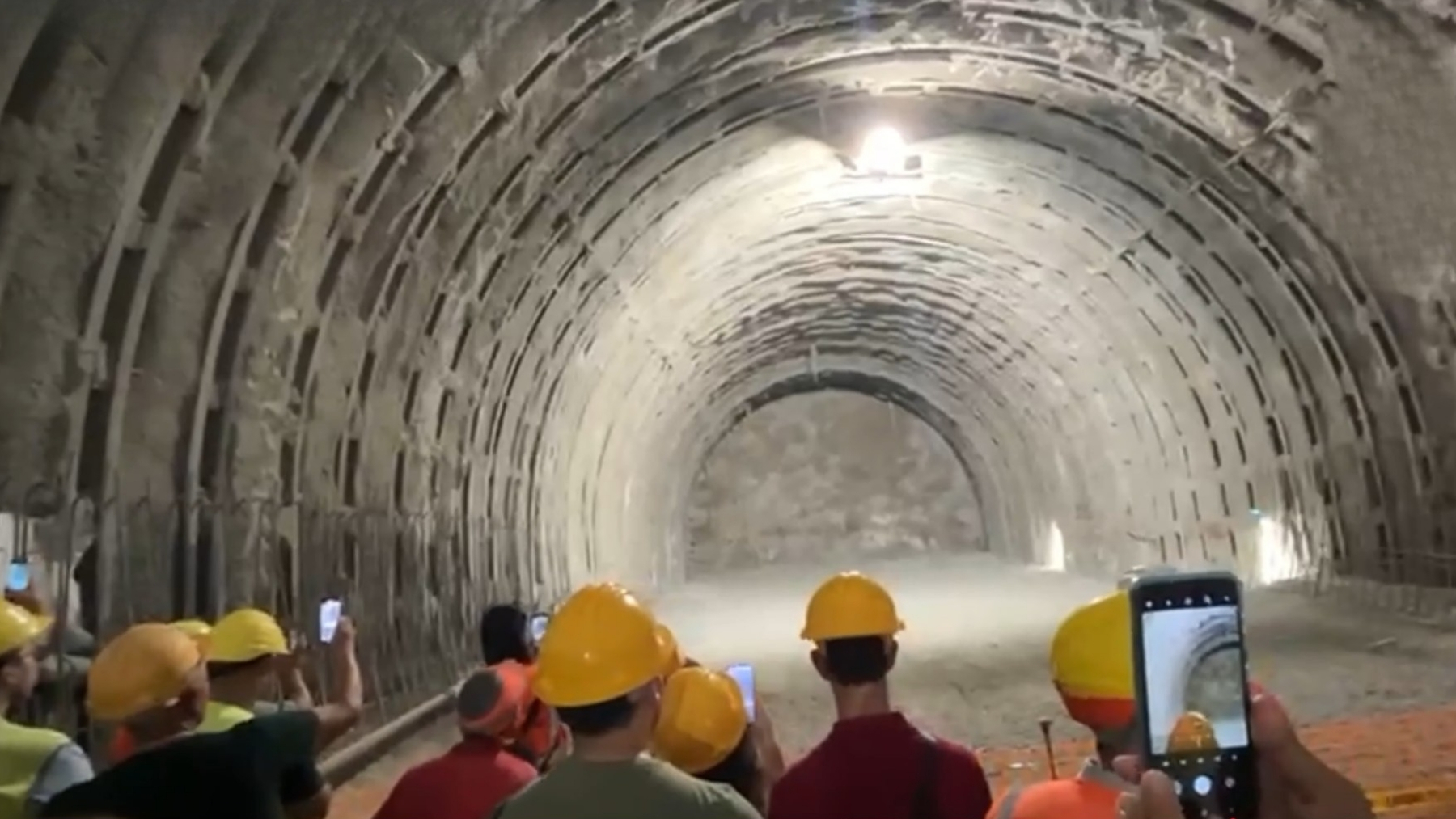
In Kansas, bunker manufacturer Atlas Survival Shelters has put its most ambitious project on the market, valued at around 30 million dollars. The underground complex covers about 1,800 square meters, can house up to seventy five people in a sealed environment, and is advertised as able to withstand a powerful nuclear blast.
The design includes reinforced doors, thick walls, a concrete shield, and a decontamination room, plus power from two generators and an air system meant to block nuclear, biological, and chemical weapons. Inside, plans show resort style comforts such as a pool, movie room, recreation spaces, and a medical center, with units sold like luxury apartments in the million dollar range.
Billionaire hideouts from Hawaii to Silicon Valley
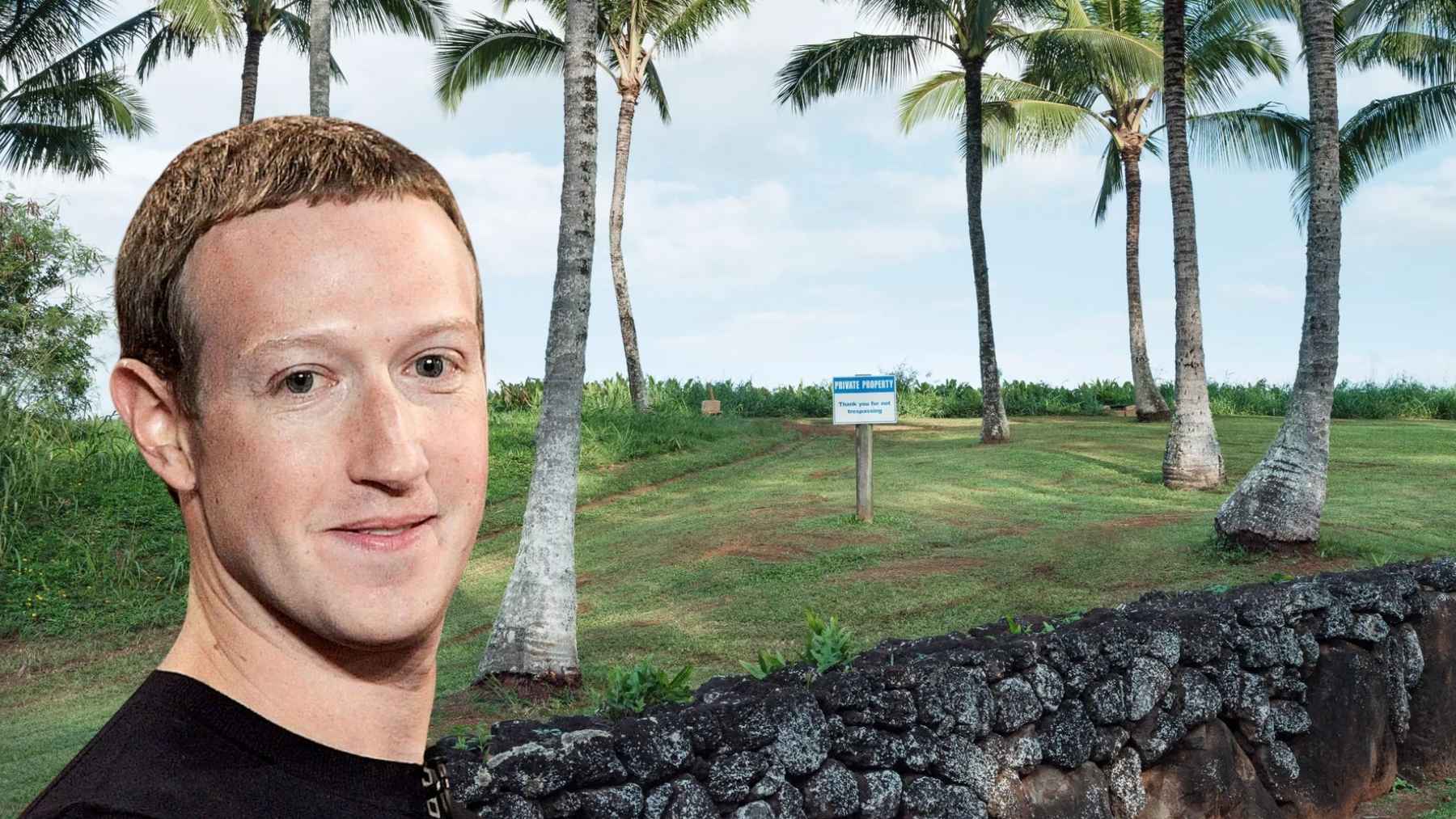
Far from Kansas, some of the richest people on the planet are building their own underground refuges. Tech entrepreneur Mark Zuckerberg has been finishing a vast ranch on the Hawaiian island of Kauai in the state of Hawaii that includes a multi story bunker on land that reportedly cost well over 100 million dollars.
Plans for that property describe multiple buildings with two mansions and an underground shelter packed with dozens of bedrooms and bathrooms, supplied by its own water tank. From Mark Zuckerberg to media figures such as Oprah Winfrey, the idea of a private hideout has become part of the public image of the ultra rich, a status symbol between a super yacht and a private jet.
Spain’s scarce shelters and Finland’s underground network
Back in Spain, the bunker boom looks different. Real estate data suggest there are about 400 private shelters and fifty public ones, only four of them built to resist nuclear attacks, and many public bunkers date from the Spanish Civil War and the Cold War.
In contrast, Finland, which shares a long open border with Russia, has spent decades weaving civil defense into city life. Authorities say underground shelters beneath large buildings could protect more than 4.8 million people in an emergency, and in the capital Helsinki there are more than 5,500 bunkers with room for about one million inhabitants.
What these luxury bunkers really say about fear
All of this raises an uncomfortable question. How much safety can money actually buy when disaster strikes. A luxury complex in Kansas may shelter seventy five carefully selected residents, while public systems like those in Finland are designed to protect millions of people who will never own a private bunker.
Experts argue that the first line of defense is simple preparation, solid public infrastructure, and clear information rather than exclusive underground real estate. For families watching their grocery bill and rent, that might mean keeping a 72 hour kit and knowing where the nearest public shelter is. The main civil defense guidance cited here was published by the European Commission.
The official statement on household preparedness was published on the European Commission’s website.