Mars is not just a cold, dusty world quietly waiting for astronauts. New research suggests its thin air and swirling dust storms are constantly churning out toxic chemicals, slowly turning the planet into something like a quiet poison factory.
These reactions do not need liquid water or volcanic heat, only static electricity from blowing sand and dust.
The work, led by planetary scientist Alian Wang and geochemist Neil C. Sturchio, helps explain strange chemical fingerprints seen by Mars orbiters and rovers.
Their experiments point to an atmosphere that keeps making fresh oxidants and perchlorates, compounds that are dangerous for living things and tricky for future human crews.
Dust storms that charge the Martian sky
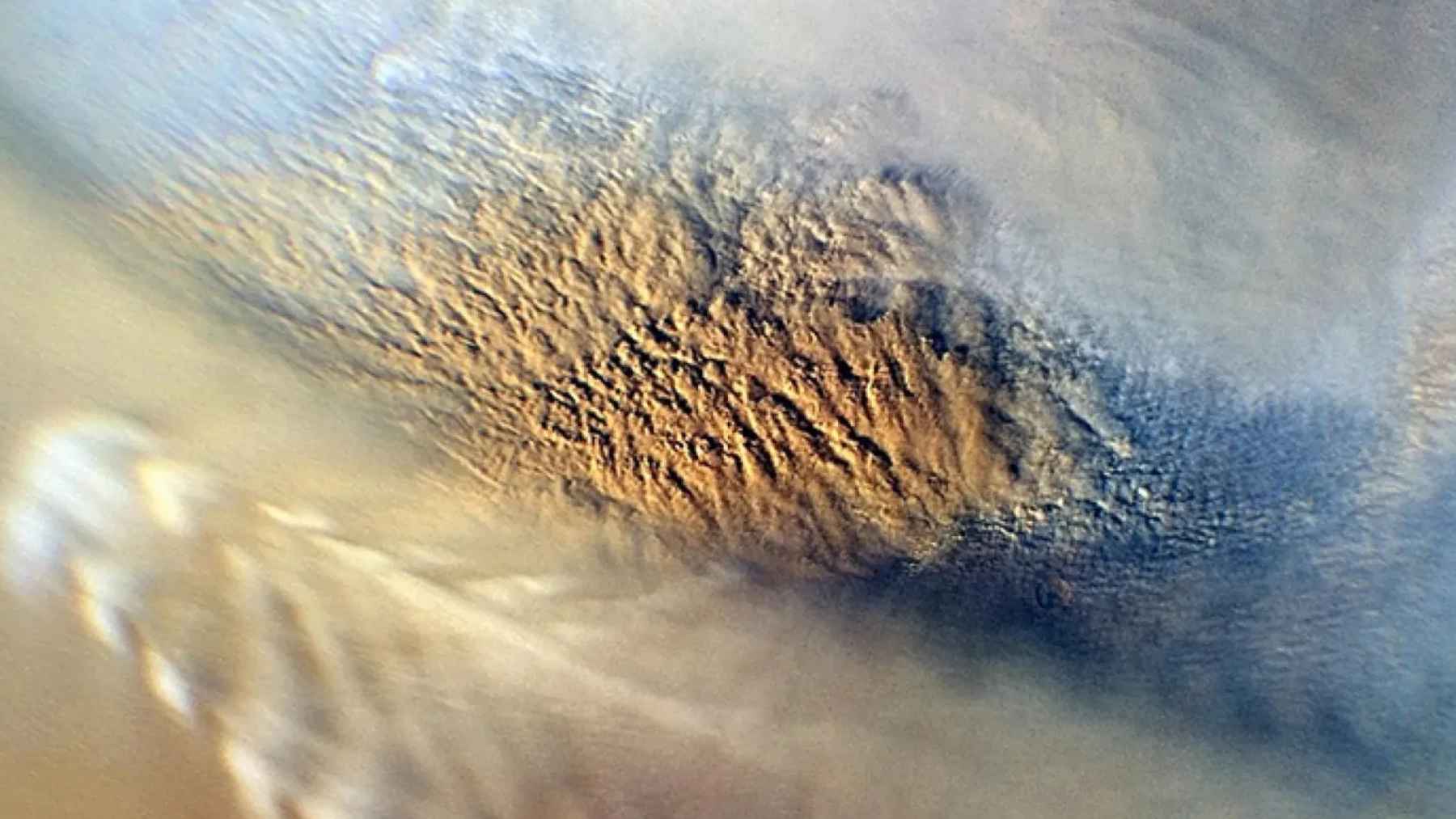
Every Martian year, huge dust storms and spinning dust devils race across the surface. As tiny grains collide, they rub together and build up electric charge, similar to the little zap you feel after shuffling across a carpet in socks.
On Mars, that everyday static can become powerful enough to create tiny sparks in the thin air.
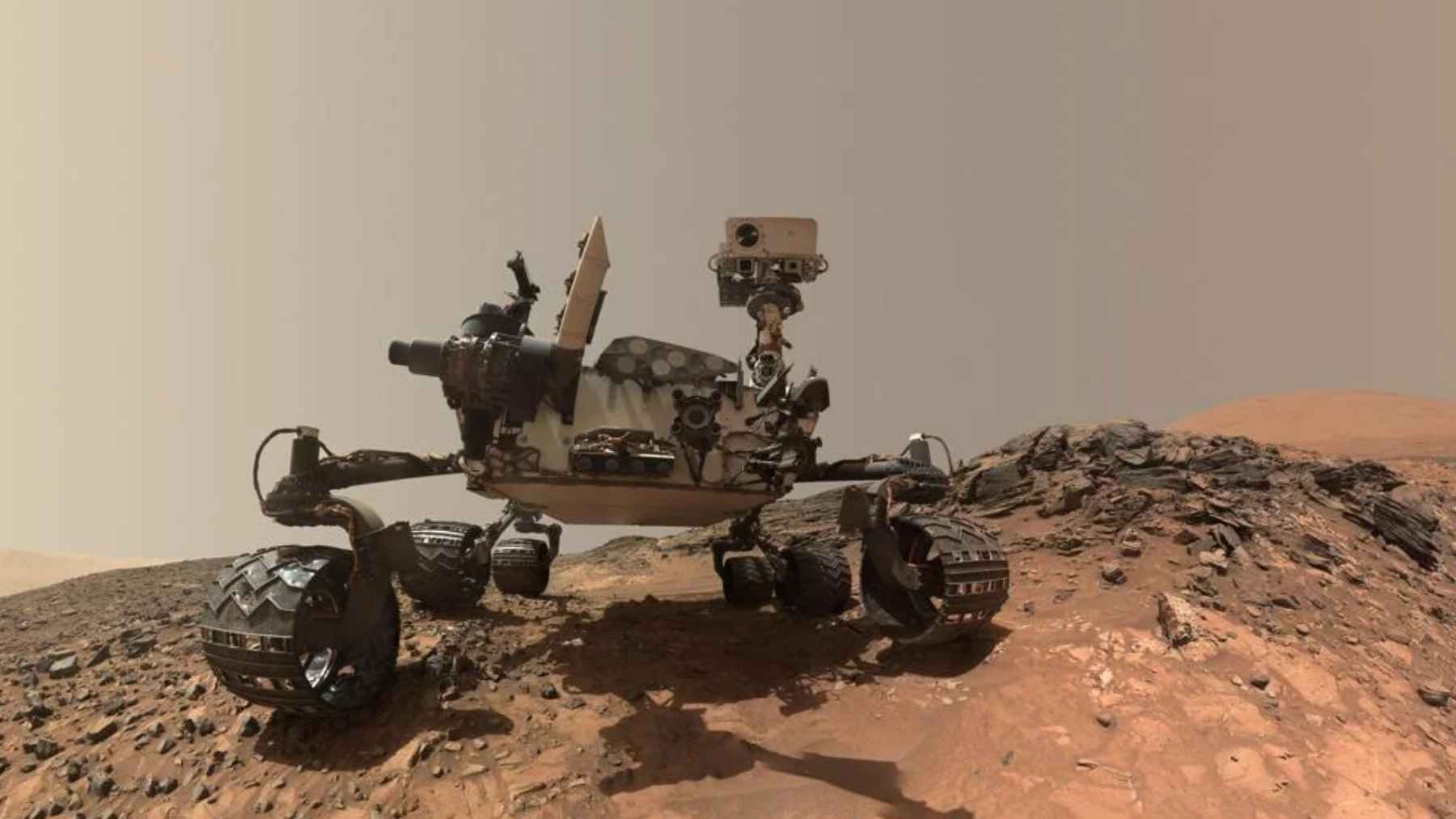
Scientists at NASA Jet Propulsion Laboratory recently confirmed these sparks directly when the Perseverance rover recorded electrical crackles inside passing dust devils.
In the thin Martian atmosphere, it takes far less energy for charged dust to jump the gap and release a spark, so these events can happen more often than in similar deserts on Earth. Those sparks are strong enough to kick off new chemical reactions in the air and near the surface.
According to NASA, these tiny discharges can create highly reactive chlorine compounds such as chlorates and perchlorates that chew up organic molecules and break apart other gases.
Some researchers think this kind of “mini lightning” also helps explain why methane on Mars seems to appear and then vanish much faster than simple models predict. Put together, it paints a picture of a planet whose weather quietly rewires its chemistry from day to day.
Simulating a poison factory in the lab
To test what those sparks can really do, Wang’s team at Washington University in St. Louis built Mars simulation chambers where they can control pressure, gas mix, dust, and salt chemistry.
Inside this artificial Mars, they triggered electrostatic discharges and let high energy electrons slam into carbon dioxide, the main gas in the real Martian atmosphere. The setup mimics what happens inside a dusty storm high above the surface.
Those electrons break apart carbon dioxide into very reactive fragments that rush to combine with chloride salts in the simulated soil.
The result is a cocktail of oxidants, including chlorates and perchlorates, and airborne carbonates that match many of the compounds already seen by Mars missions. In simple terms, dust storms plus static electricity can turn harmless salts into strong chemical cleaners that most life would rather avoid.
Isotopes as fingerprints of an active planet
Isotopes are just versions of the same element that have slightly different mass. On Earth, many reactions leave subtle but predictable shifts in how common heavier isotopes are, which helps geologists read ancient rocks. Mars looks different, especially for chlorine, where heavier atoms seem to be missing compared with what models expect.
In the new experiments, the team found that the freshly made perchlorates, volatile chlorine gases, and carbonates were all depleted in heavier isotopes of chlorine, oxygen, and carbon compared with the starting materials.
Those same patterns show up in data from the ExoMars Trace Gas Orbiter, NASA’s Curiosity rover, and Martian meteorites, which suggests the same process is happening on the real planet.
One researcher has compared isotopic signatures to “fingerprints”, a way to trace which processes have been at work inside the Martian atmosphere and soil.
This work builds on a 2023 study from the same group that already linked dust-driven electrochemistry to the global chlorine cycle on Mars. That earlier research concluded that interactions between the atmosphere and the surface during dust events could account for much of the chlorine chemistry seen by orbiters and rovers.
The new isotopic evidence goes further and helps explain why heavy isotopes are so rare in several key elements.
What this means for future astronauts
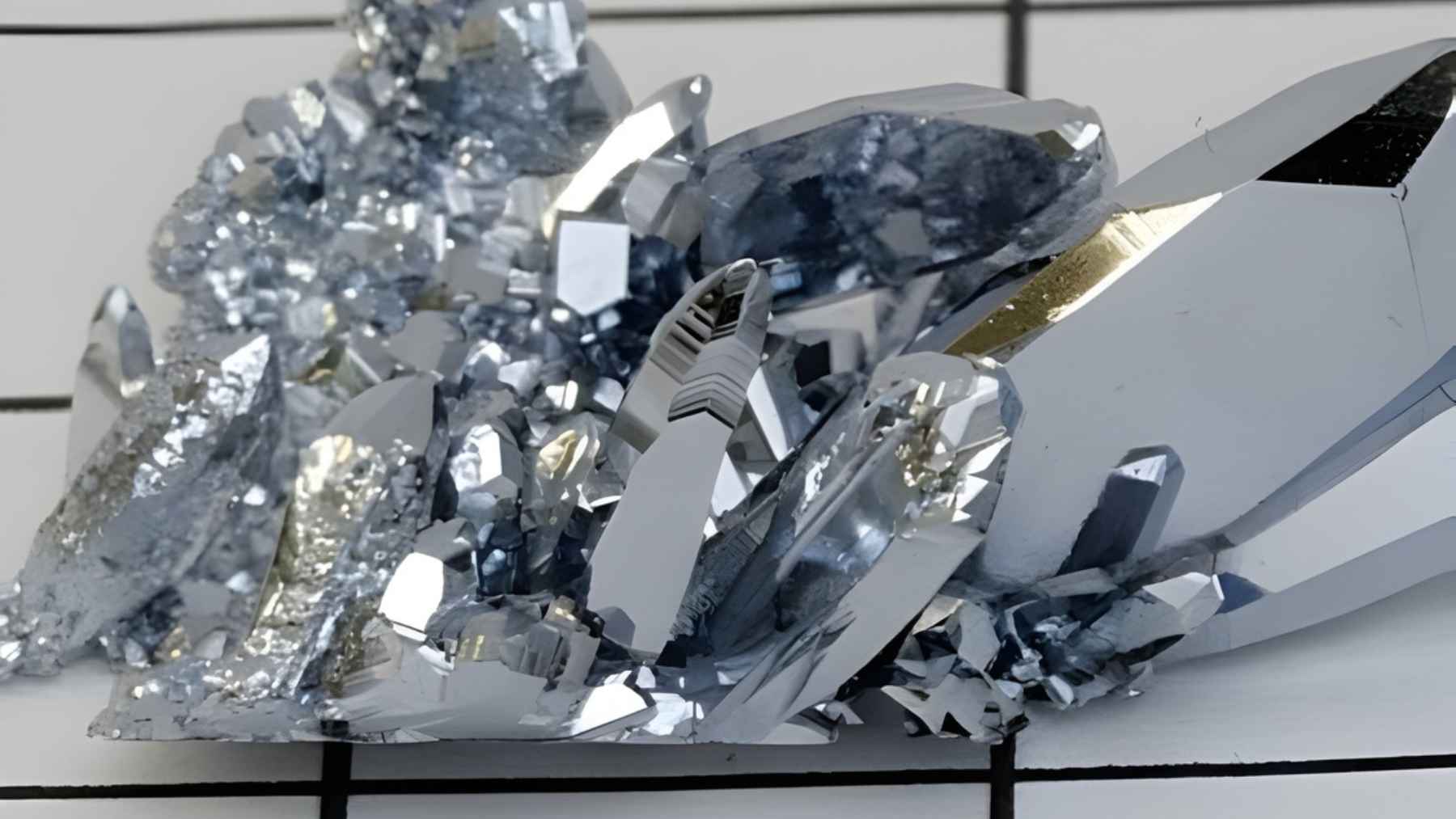
Perchlorates are chlorine-rich salts used in things like rocket propellant and industrial oxidizers on Earth. They are highly reactive and can interfere with the thyroid in humans, which is not what you want drifting through a future Mars habitat or clogging an air filter after a long day outside.
Earlier work already showed that these compounds are poisonous to most life on Earth, even though a few hardy microbes can tolerate them.
Scientists at the University of Delaware and their colleagues also warn that the same reactions that keep the Martian atmosphere highly oxidizing can slowly erase organic molecules that might record traces of past life.
A rover drilling into a rock could find less carbon than expected simply because sparks in the air and soil have slowly burned it away over millions of years. That makes the search for biosignatures tougher and raises the stakes when scientists choose where to land and what to sample.
For human explorers, this means habitats, suits, and electronics will have to deal with a steady drizzle of aggressive oxidants, not just a one-time cleanup of old deposits.
It also suggests that any long-term base will need careful filtration and monitoring of dust and air, on top of the usual worries about radiation and freezing nights. At the end of the day, the chemistry of Mars might be as big a challenge as its weather.
A toxic lesson for other worlds
Researchers think similar electrically driven chemistry might be at work beyond Mars. Lightning in the thick clouds of Venus, charged dust on the Moon, or energetic particles in the outer solar system could all drive their own versions of “spark chemistry” that make or destroy key molecules.
Mars is simply the first place where there is enough data to follow the full chain from storm to spark to strange minerals.
For Mars itself, the big lesson is that carbonates and chlorine compounds are not straightforward signs of past lakes or oceans. They might also be the byproduct of a dry, electrically active climate that has been running for much of the planet’s recent history.
Any future mission that plans to “follow the water” will also have to follow the sparks and think hard about what those sparks are doing to rocks, air, and any fragile chemical clues.
In practical terms, that means every new rover and, one day, every crewed lander will arrive on a world where the air, dust, and soil are still being rewired by tiny bolts of static electricity.
The main study has been published in Earth and Planetary Science Letters.