A millimeter laser is going to drill into the Earth’s interior with the aim of extracting energy we don’t even know about. When we think of renewable and sustainable energy, our minds usually think of wind and solar energy. However, there are other types of energy with great potential that can make a significant contribution in the context of the energy transition and decarbonization we are going through.
The need for new forms of energy generation is justified for several reasons. The environmental impact, the international goal of decreasing dependence on fossil fuels, meeting growing energy demand and ensuring security and reliability of energy supply are some of them.
One company wants to dig wells more than ten kilometres deep to harness the heat from the ground. It already has several initiatives planned.
The Earth will be drilled to produce a new type of energy: It’s not photovoltaics, but better
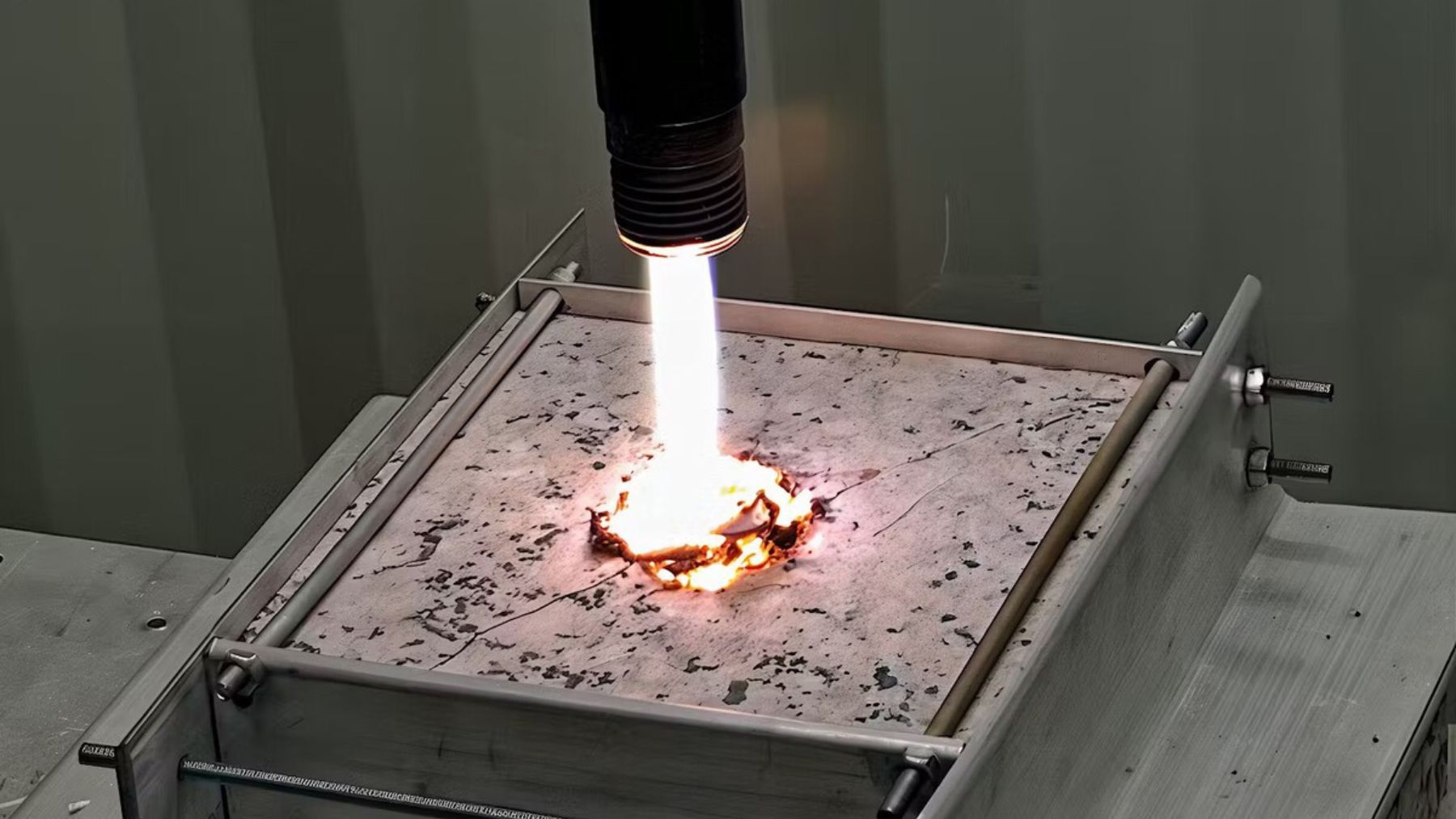
There is a plan to extract 10 times more energy from superheated rocks at 373 degrees: a millimetre-wave drill. So far, geothermal energy has not been put to use at depths of more than 10 kilometres. A new technology aims to reach that depth and harness the great heat of the Earth’s interior.
Geothermal energy harnesses the Earth’s natural heat. If dug deep enough, geothermal plants can produce electricity continuously and stably 24 hours a day, as it does not depend on water currents, sunshine or gusts of wind. It is a highly efficient energy source and, although the initial investment is high, the operating and maintenance costs are low.
It is a striking source of energy because of its unlimited flow and the fact that it can generate energy independently of the weather. In 2006, a research group at MIT showed that if only 2% of the geothermal energy stored in rocks at a depth of 3 to 10 km were harnessed, it would provide more than 2,000 times the energy consumption of the United States.
Under these circumstances, a company called Quaise Energy is looking to tap geothermal energy. It was born out of research initiatives at MIT and two years ago made an impact by presenting a drilling system that, according to its perspective, aimed to dig deeper than anything previously used.
Quaise has shown three concepts for geothermal systems with three different approaches to execution and effectiveness, with one ambitious one: ‘permeability clouds’.
The company is looking to drill into the earth to make the most of geothermal energy.
The first is a closed loop that would act like a boiler. It would inject cold water. Due to the 170ºC temperature of the subsoil it heats up and rises as hot water to the surface. There, it applies steam techniques of geothermal power plants.
In the second format, flat hydraulic fractures are used, through which high-pressure water is injected into the ground, heats up in the lower zone under high pressure and is extracted.
Regarding his ambitious model, permeability clouds, he shows the creation of microscopic cracks that create a permeability cloud around the rocks. By digging to a considerable depth using millimetre waves, cold water would be injected, producing micro-fractures in the hot rock and exiting through another borehole as steam.
Field tests will be conducted using the Newberry volcano in central Oregon. It will be the vehicle to test their model. They expect to do this between 2025 and 2026. They also caution that their permeability cloud plan may not be the only approach. They are considering the coexistence of hybrid techniques such as flat bills, natural fractures and the microfractures of the more ambitious model to get the maximum use of all possible energy.
Ultimately, this millimetre laser seeks to drill deep into the Earth’s interior and aims to extract geothermal energy. This could be the perfect project to revolutionize our way to produce energy, don’t you think the same?