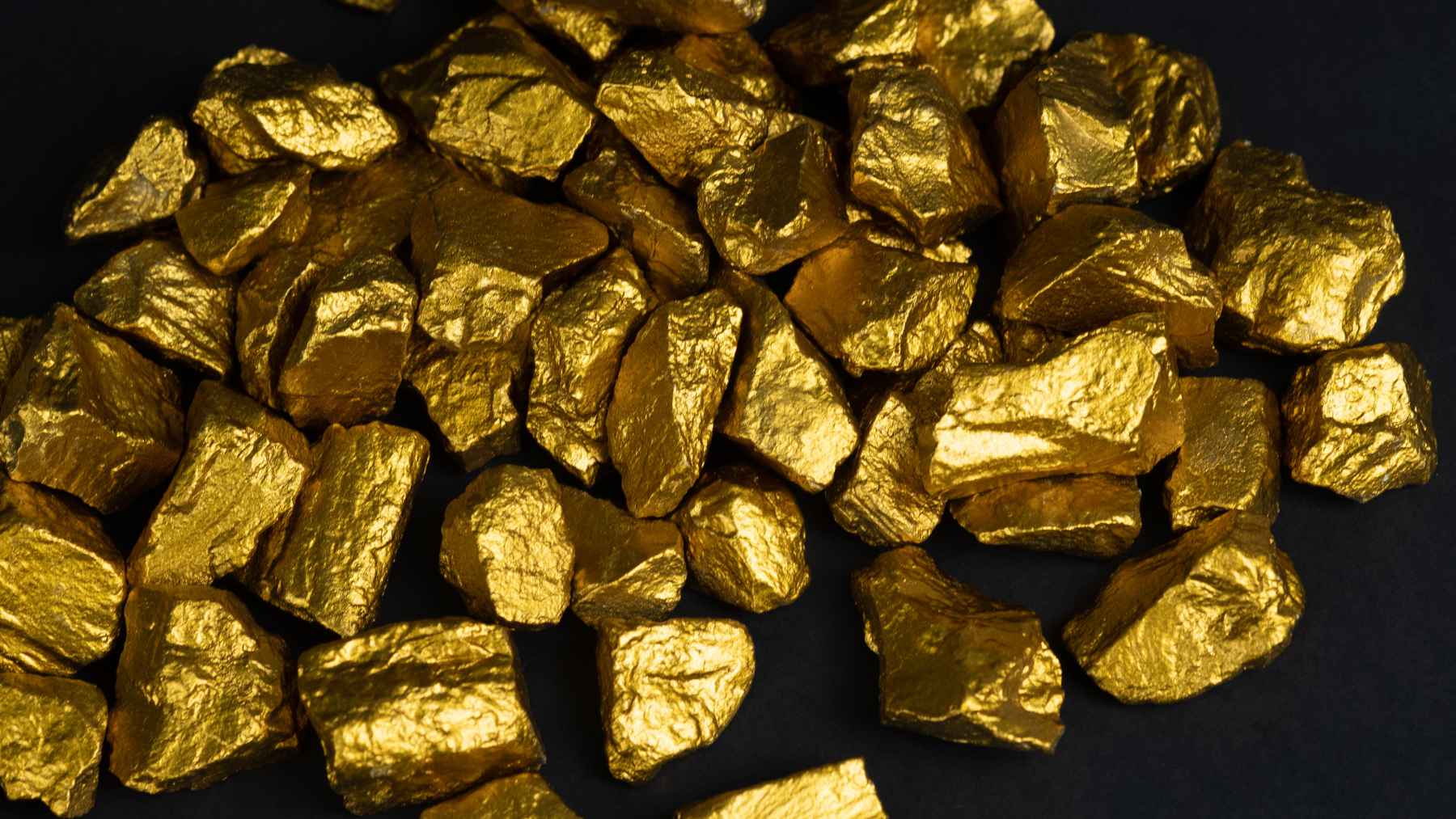
Chinese geologists say they have uncovered more than 1,000 metric tons of gold beneath the Wangu gold field in central China, worth about 600 billion yuan, or roughly $85.9 billion. The find in Pingjiang County in Hunan Province is being hailed as a “supergiant” deposit.
Only part of that gold has been confirmed directly by drilling, and the rest comes from computer models that look several kilometers below ground. That is why the discovery is exciting but also still open to revision as new data arrive. How much of that gold will really be mineable in the end?
What lies under the Wangu gold field
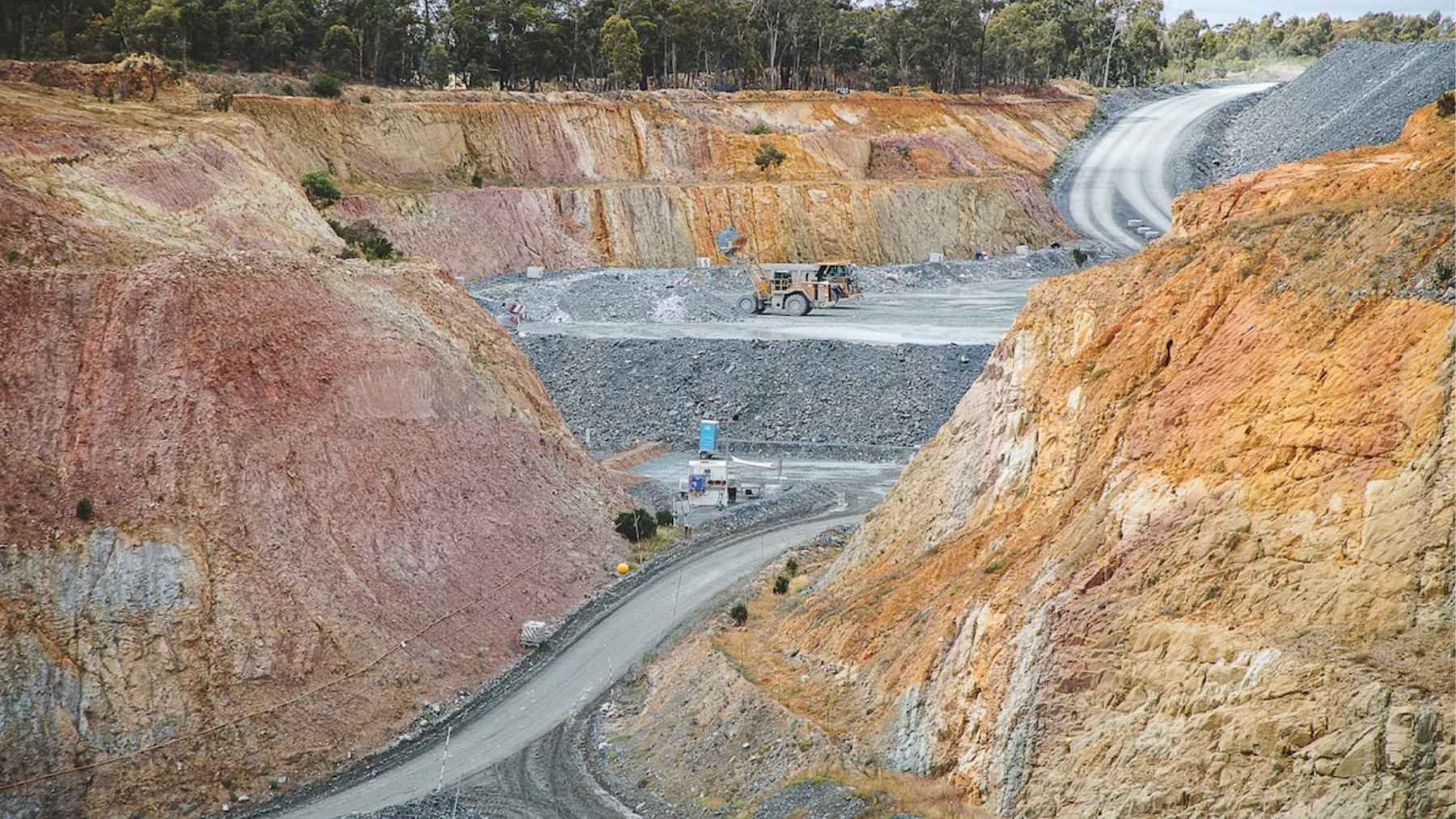
The Wangu gold field lies under wooded hills in Pingjiang County in central China. Geologists with the Geological Bureau of Hunan Province report more than 40 gold bearing veins around 2,000 meters deep that together hold about 300 metric tons of confirmed gold.
To peer deeper, the team used three-dimensional geological modeling to trace those veins down to about 3,000 meters. Early results suggest total resources above 1,000 metric tons, with drill cores that often show visible gold and samples that reach grades near 138 grams per metric ton.
Why analysts say the numbers need context
In mining, reserves that have been measured in detail are not the same as resources that are still inferred from limited data. For now, only the 300 metric tons near 2,000 meters have been mapped thoroughly at Wangu, while the deeper figures rely on fewer boreholes and more assumptions.
Specialists at the World Gold Council say the 1,000-ton headline number should be treated as preliminary until more drilling and economic studies are completed. Even with that warning, they note that a confirmed 1,000 metric tons would place Wangu among the largest gold deposits ever reported. That is a lot of metal in one place.
Promise, risk, and what happens next
For Hunan Province and for China, a deep, high-grade mine could mean new jobs, better roads, and more domestic supply of a metal used in jewelry, electronics, and central bank reserves. At the end of the day, it is the kind of project that can draw attention from both local officials and international investors watching the gold price.
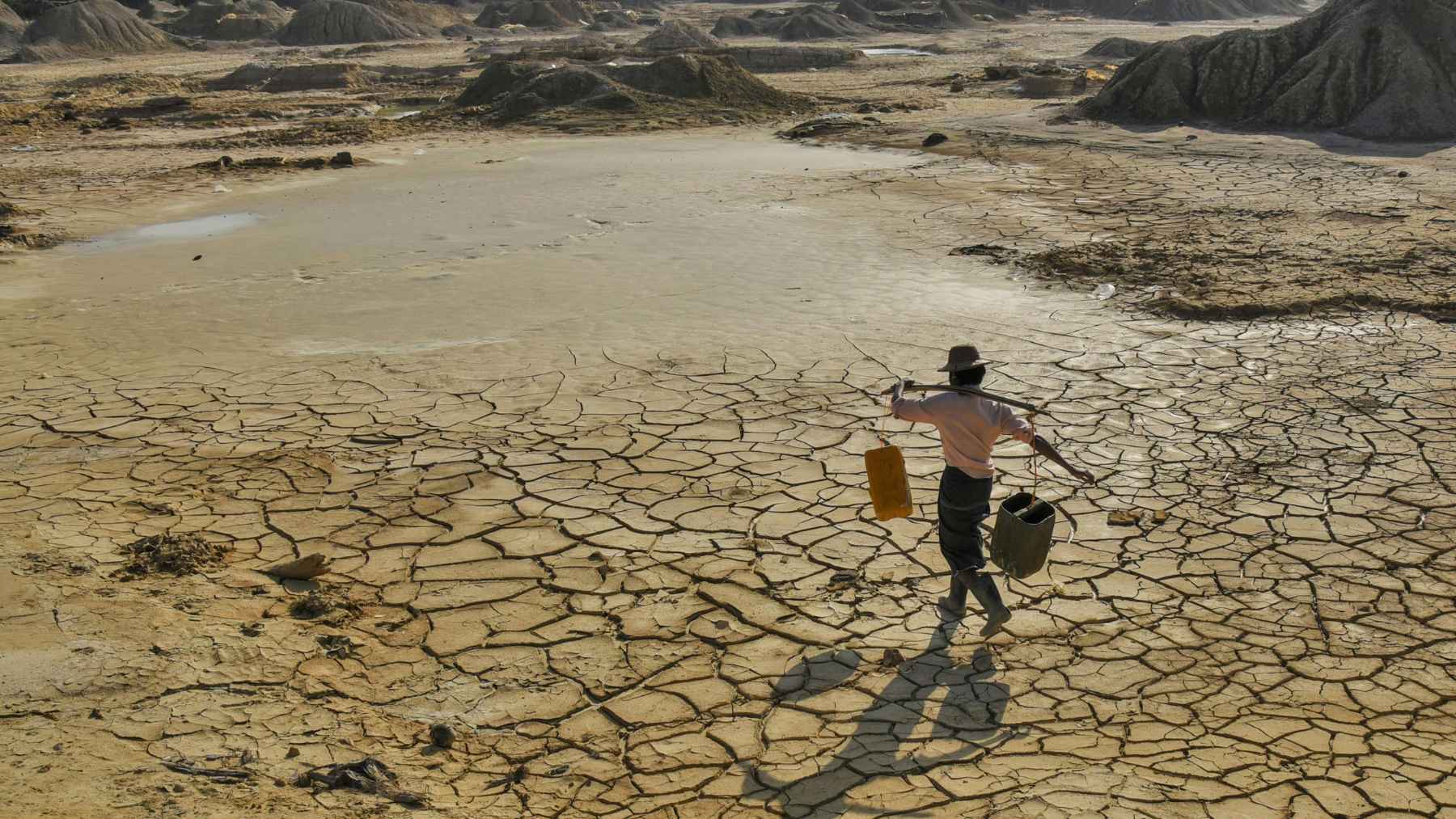
The other side is the environmental cost of large-scale gold mining, which can leave behind huge piles of waste rock and tailings that may contain cyanide and heavy metals if not carefully managed. Operating more than 2,000 meters underground also demands powerful ventilation and hoisting systems that consume large amounts of energy just to move rock, people, and air.
Chinese authorities have promoted the idea of greener mining, so Wangu is likely to be watched as a test of how those promises hold up in practice. In the coming years, additional drilling, detailed models, feasibility work, and environmental reviews will decide how much of the buried gold can truly be mined.
The main official announcement has been published by Xinhua.