The battle over offshore wind in the United States has moved from the ocean to the courtroom, and Danish energy giant Ørsted is now caught in the middle. After the Trump administration ordered work to stop on five large offshore wind farms, Dominion Energy quickly filed a federal lawsuit, while Ørsted says it is still evaluating how far it is willing to go.
Billions of dollars in clean energy projects are on hold, along with thousands of jobs and future power for homes from Virginia to New England. At the same time, federal officials argue they need a pause to look at possible national security risks, leaving developers and coastal states wondering how stable the rules really are.
How the Trump administration froze five offshore wind projects
On December 22, 2025, the US Department of the Interior ordered a suspension of offshore leases for five major wind farms under construction along the East Coast. The Bureau of Ocean Energy Management, the federal agency that oversees offshore energy in federal waters, told developers to halt offshore work for ninety days while officials reviewed potential security issues.
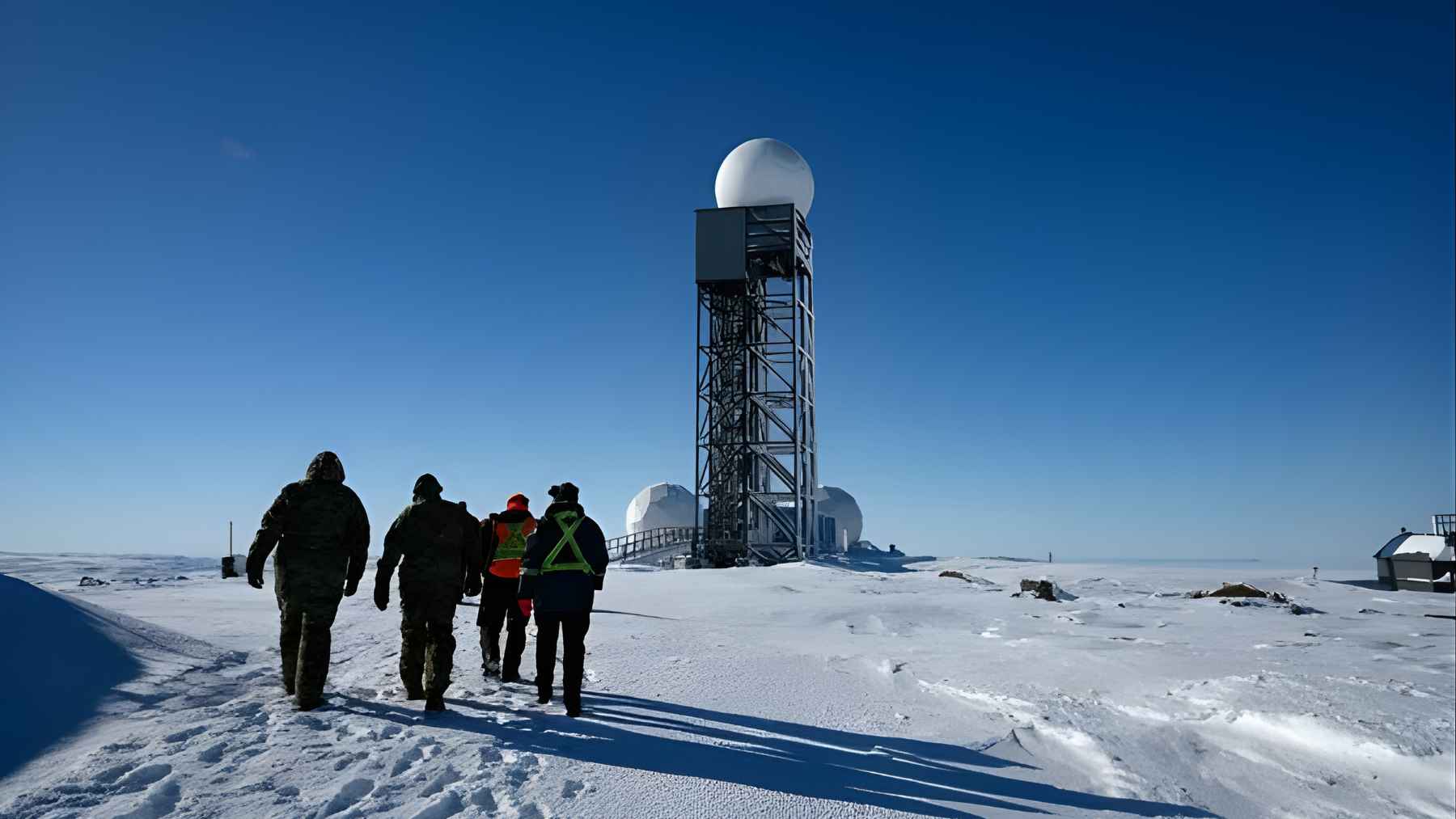
The pause covers Vineyard Wind off Massachusetts, Coastal Virginia Offshore Wind, Revolution Wind serving Rhode Island and Connecticut, and Sunrise Wind and Empire Wind 1 off New York. Federal summaries say large turbine blades and tall towers can create radar “clutter,” which may make it harder to spot real threats on military and civil systems along the busy East Coast.
For Revolution Wind, this is not the first time work has stopped. In August 2025, the same agency issued an earlier stop-work order, and Ørsted and its partner Skyborn Renewables went to court with Connecticut and Rhode Island, winning an injunction that allowed construction to restart before the new December suspension hit.
Dominion Energy files the first lawsuit
Dominion Energy, which is building the huge Coastal Virginia Offshore Wind project, was the first developer to challenge the December pause in court. The company filed a complaint in federal court in Virginia arguing that the stop-work order from the Bureau of Ocean Energy Management is “arbitrary and capricious” and breaks federal law that governs offshore energy projects.
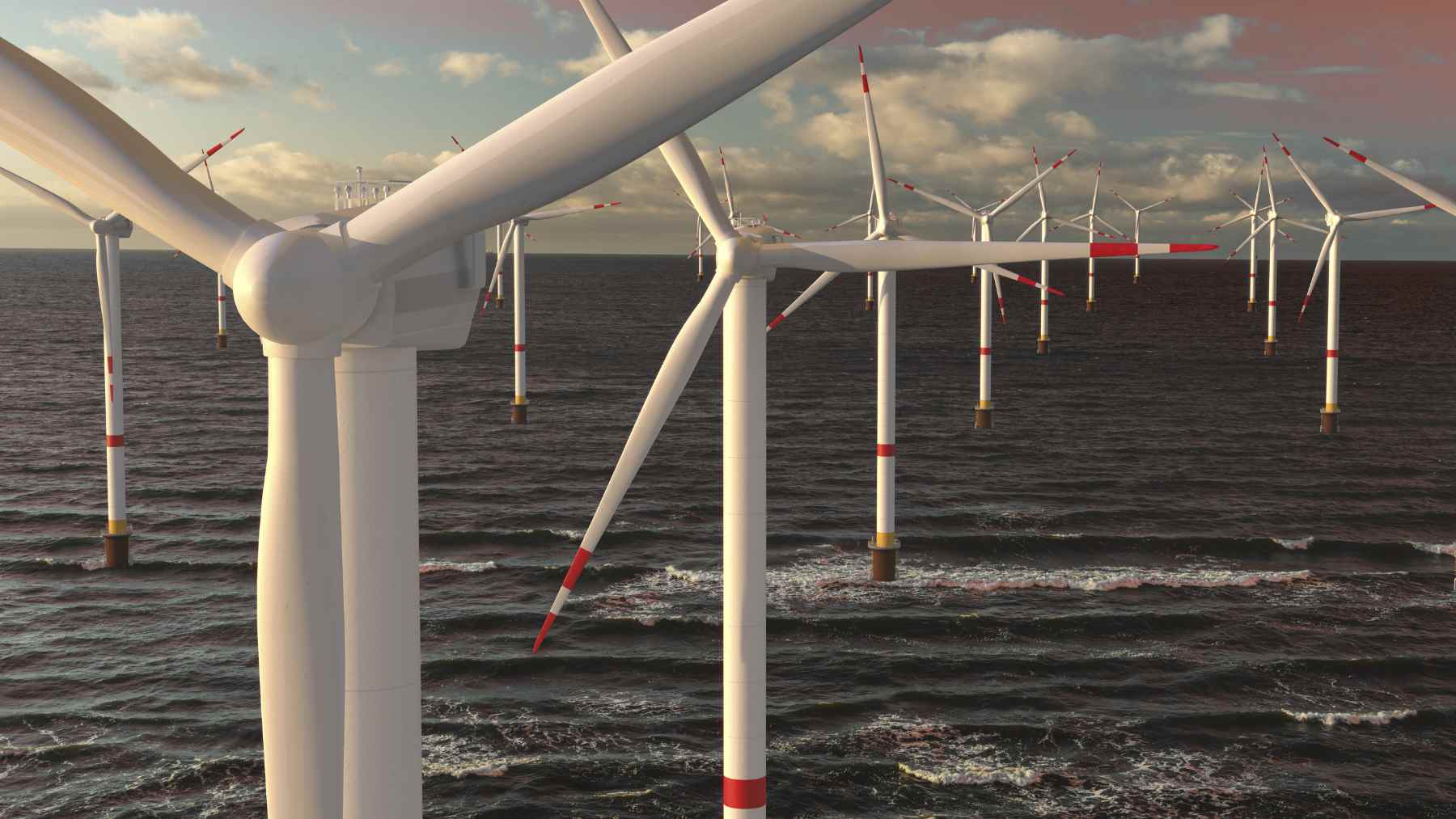
Dominion’s offshore wind farm is designed to deliver about 2.6 gigawatts of power to roughly 660,000 homes and is already deep into construction, with hundreds of turbines planned off the Virginia coast. The developer warns that every day of delay costs millions of dollars in ship time and could eventually feed through to customers’ electric bills in a state where demand is rising fast.
The company is asking for a temporary restraining order and an injunction so work can continue while the broader case plays out. A federal judge in Virginia has scheduled a hearing on that request, turning the legal fight into a test of how much control the White House has over projects that have already passed years of environmental and security reviews.
Ørsted’s careful response on Sunrise and Revolution Wind
While Dominion moved quickly, Ørsted initially chose its words very carefully. The company is a partner in Revolution Wind through a joint venture with Skyborn Renewables and is the sole developer of Sunrise Wind off Long Island, so two of the five frozen projects are directly tied to the Danish group.
In a statement shared with US and Danish media after the December decision, Ørsted said it was complying with the federal orders to suspend offshore work on both projects and was “evaluating all options to resolve the matter expeditiously, together with its partners.” The company added that those options include engagement with the Bureau of Ocean Energy Management and other permitting agencies along with a review of possible legal proceedings, but it declined to say outright whether it would follow Dominion into court.
Ørsted has also stressed that any pause will be handled in a way that keeps workers safe and limits environmental risks while offshore activity is scaled back. At the same time, the company told the financial news service MarketWire that it would “assess all possibilities” to solve the dispute quickly and effectively, signaling that litigation is on the table even if final decisions had not yet been announced at that point.
New legal moves from the Revolution Wind joint venture
Since then, Revolution Wind has shifted from warnings to action. On New Year’s Day, Revolution Wind LLC, the fifty fifty joint venture between Ørsted and Skyborn Renewables, filed a supplemental complaint in federal court in Washington and said it plans to ask for a preliminary injunction to block the lease suspension that stopped work on the nearly complete 704 megawatt project.
According to Ørsted and industry reports, Revolution Wind is now about 87 percent finished, with all foundations, offshore substations, export cables, and most turbines already installed, and it was expected to start sending power to the grid in early 2026. The joint venture argues that the latest suspension violates the law and threatens “substantial harm,” since the developers have already spent or committed billions of dollars based on a long federal review process they say they fully followed.
Sunrise Wind, which will serve New York and is fully owned by Ørsted, is taking a slower path. In its latest comments, the company says Sunrise continues to assess its options, including talks with federal agencies and the possibility of legal action, meaning the Danish developer is already fighting on one front through Revolution Wind while keeping the door open on another.
What is at stake for states, workers, and energy bills
For coastal states, these projects represent more than distant turbines on the horizon. Revolution Wind alone is expected to provide enough power for roughly 350,000 homes in Rhode Island and Connecticut, while Sunrise Wind is planned to generate about 924 megawatts for around 600,000 homes on Long Island and in New York City, replacing fossil fuel generation that drives both emissions and air pollution.
At construction hubs like New London in Connecticut and ports on Long Island, hundreds of workers are already handling blades, towers, and cables that arrive by ship, and unions say thousands of jobs across shipyards and supply chains depend on keeping the buildout going. Governors in several affected states have warned that an extended pause could raise long-term power costs, undercut climate targets, and squeeze families who already worry about winter energy bills.
The Trump administration maintains that national security comes first and points to unclassified reports that link offshore wind farms to radar clutter and possible blind spots for the military. Former regulators and environmental groups counter that those risks were studied for years during the permitting process and say there is no new evidence that justifies stopping projects after they cleared every required review and even survived earlier court challenges.
For Ørsted, the coming weeks will likely mix legal arguments with intense talks in Washington as it tries to protect huge investments and reassure both investors and local partners. The main company statement on the suspension and potential legal steps has been published by Ørsted.
The official statement from the U.S. government was published on the U.S. Department of the Interior website.