After nearly five years of rolling across Mars, NASA’s Perseverance rover has finally met something that does not seem to belong there. The robot has spotted a desk sized metal-rich rock nicknamed Phippsaksla that almost certainly arrived from space rather than forming in Martian ground.
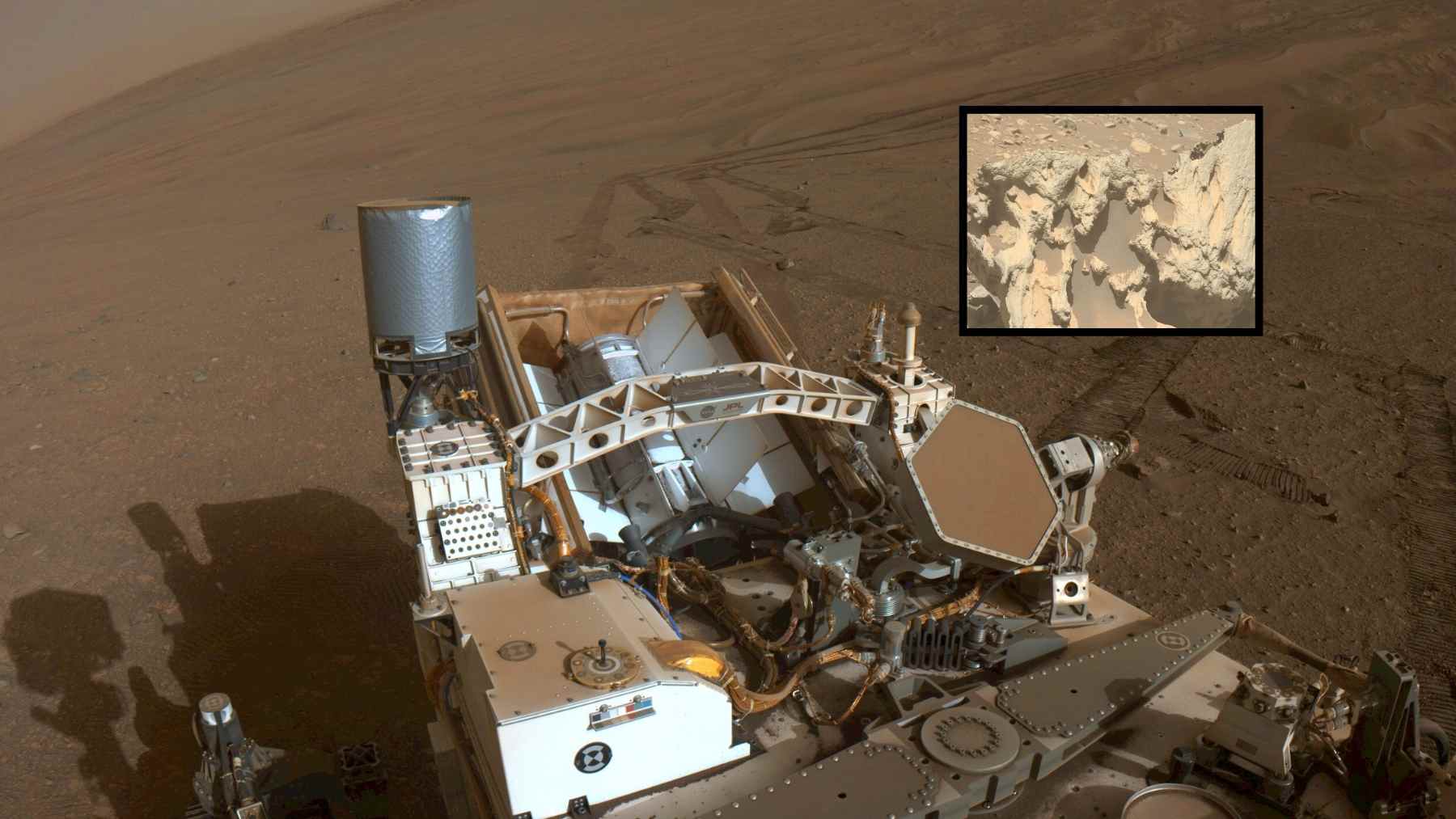
The odd boulder sits in an area called Vernodden near the rim of Jezero crater, the ancient lake basin that Perseverance has been exploring since 2021. It immediately caught the team’s attention because it rises like a small statue above a landscape of low, flat, fractured bedrock. Images show a pale orange rock about 80 centimeters wide, pitted with deep cavities partly filled with dark sand.
To figure out what it is made of, scientists pointed the rover’s SuperCam instrument at the target. SuperCam fires tiny laser bursts at the surface then reads the light that bounces back to reveal chemical fingerprints.
The results showed an unusually high amount of iron and nickel, a combination that is typical of iron nickel meteorites that formed in the cores of large asteroids. That chemistry strongly hints that Phippsaksla started life elsewhere in the solar system before slamming into Mars.
The rock was first noticed in early September during a wide scene survey, then studied in more detail in mid September with close up imaging and laser shots. Although the mission team still needs additional work to confirm its status, NASA planetary scientist Candice Bedford writes that Perseverance has likely found its first true meteorite fragment.
If that verdict holds, the rover finally joins Curiosity, Spirit, and Opportunity on the list of Mars missions that have examined foreign rocks dropped onto the planet.
Earlier rovers encountered several metal visitors. Curiosity famously found a one-meter-wide iron block called Lebanon in Gale crater in 2014, along with a smaller rock nicknamed Cacao in 2023. Spirit and Opportunity also crossed paths with metallic boulders that turned out to be iron nickel meteorites.
Scientists were therefore puzzled that Perseverance had gone so long without a similar discovery, especially since Jezero crater is roughly the same age as Gale and shows many small impact craters that should have delivered meteorite debris.
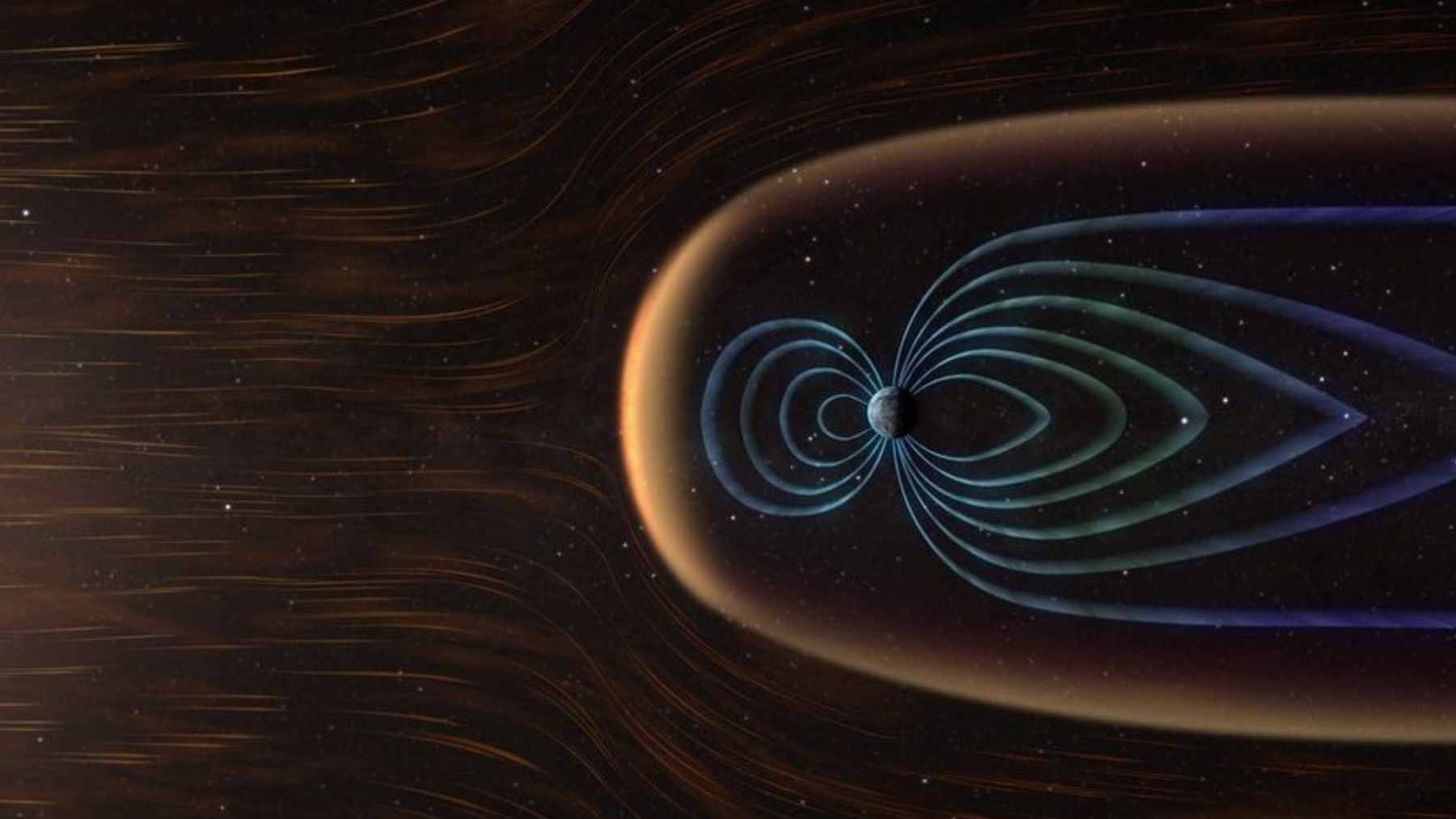
Phippsaksla helps solve that puzzle and opens a new scientific opportunity. Mars has a thin atmosphere, no global magnetic field, and very slow erosion compared with Earth. Metallic meteorites can sit on the surface for immense spans of time while wind sculpts their shapes and hollows out their surfaces. Each one becomes a time capsule that records conditions in the early solar system, when asteroids were colliding and planets were still growing.
Iron nickel meteorites are especially valuable. They come from the shattered cores of differentiated asteroids whose interiors once melted, separated into metal and rock, and then cooled. By measuring the exact mix of elements and isotopes in such pieces, scientists can reconstruct events that unfolded within the first few million years after the Sun formed. That is the era when the raw materials for rocky planets like Earth and Mars were assembled.
These space rocks are also linked to one of the biggest questions in planetary science. Studies of carbon-rich meteorites show that they carry water bearing minerals and a wide variety of organic molecules, including amino acids and the building blocks of genetic material.
Researchers increasingly view meteorites and asteroids as possible delivery systems for some of the water and chemical ingredients that helped life begin on Earth and perhaps on Mars as well.
That idea connects Phippsaksla to a much wider story. Perseverance is already exploring rocks that once sat on the bottom of an ancient lake in Jezero crater, searching for evidence that Mars could have supported microbial life billions of years ago.
A survey of meteorites scattered across that same landscape will tell scientists how often large objects struck the surface while water was present, and whether those impacts mostly destroyed habitats or helped feed them with fresh minerals and organics.
There is a practical lesson for our own world as well. Earth’s active geology, weather, and oceans constantly recycle the crust, erasing many traces of early impacts. Mars keeps a clearer impact record, which helps researchers estimate how frequently asteroids of different sizes hit rocky planets. That knowledge feeds directly into planetary defense efforts that aim to protect Earth’s environment and societies from future hazardous impacts.
For now, Phippsaksla is simply an especially eye-catching boulder on a dusty Martian hillside. Yet within that sculpted lump of metal lie clues about ancient asteroids, the bombardment history of Mars, and the cosmic traffic of water and organic matter that may have shaped life on Earth.
As Perseverance continues to climb beyond Jezero and sample new terrain, each strange rock it meets reminds us that our own planet is part of a larger planetary ecosystem that has been exchanging material for billions of years.
Image credit: NASA/JPL-Caltech.