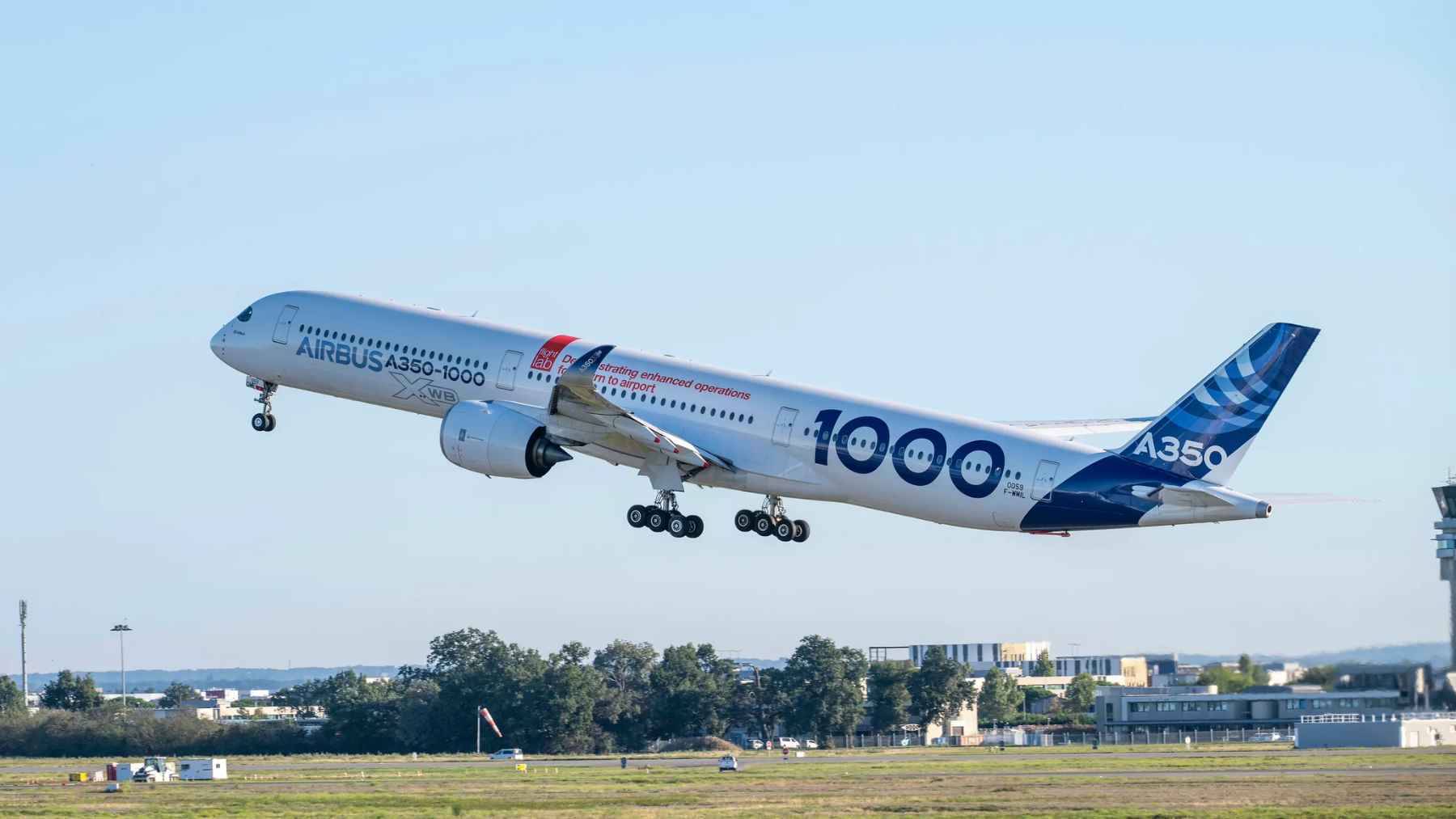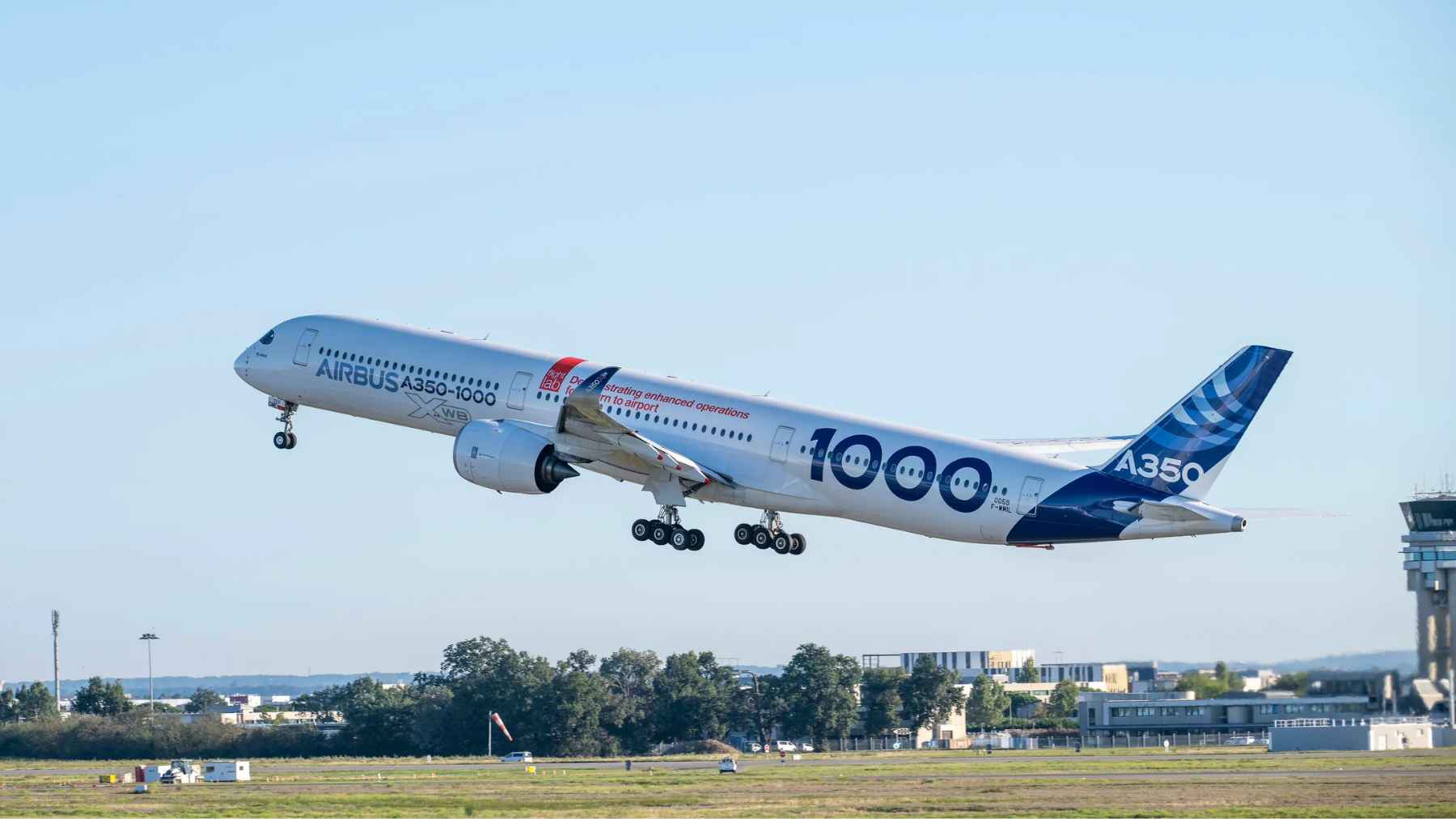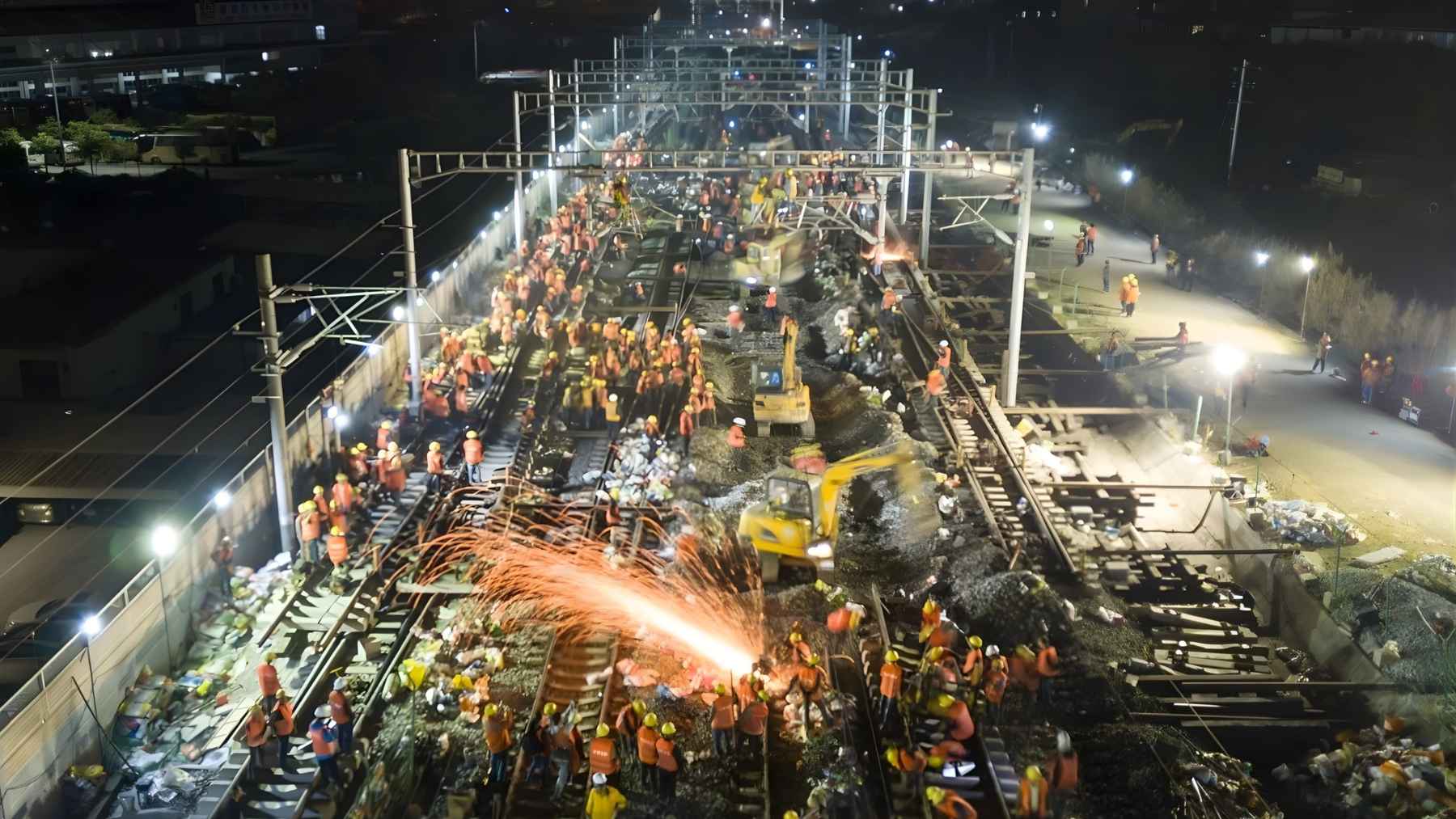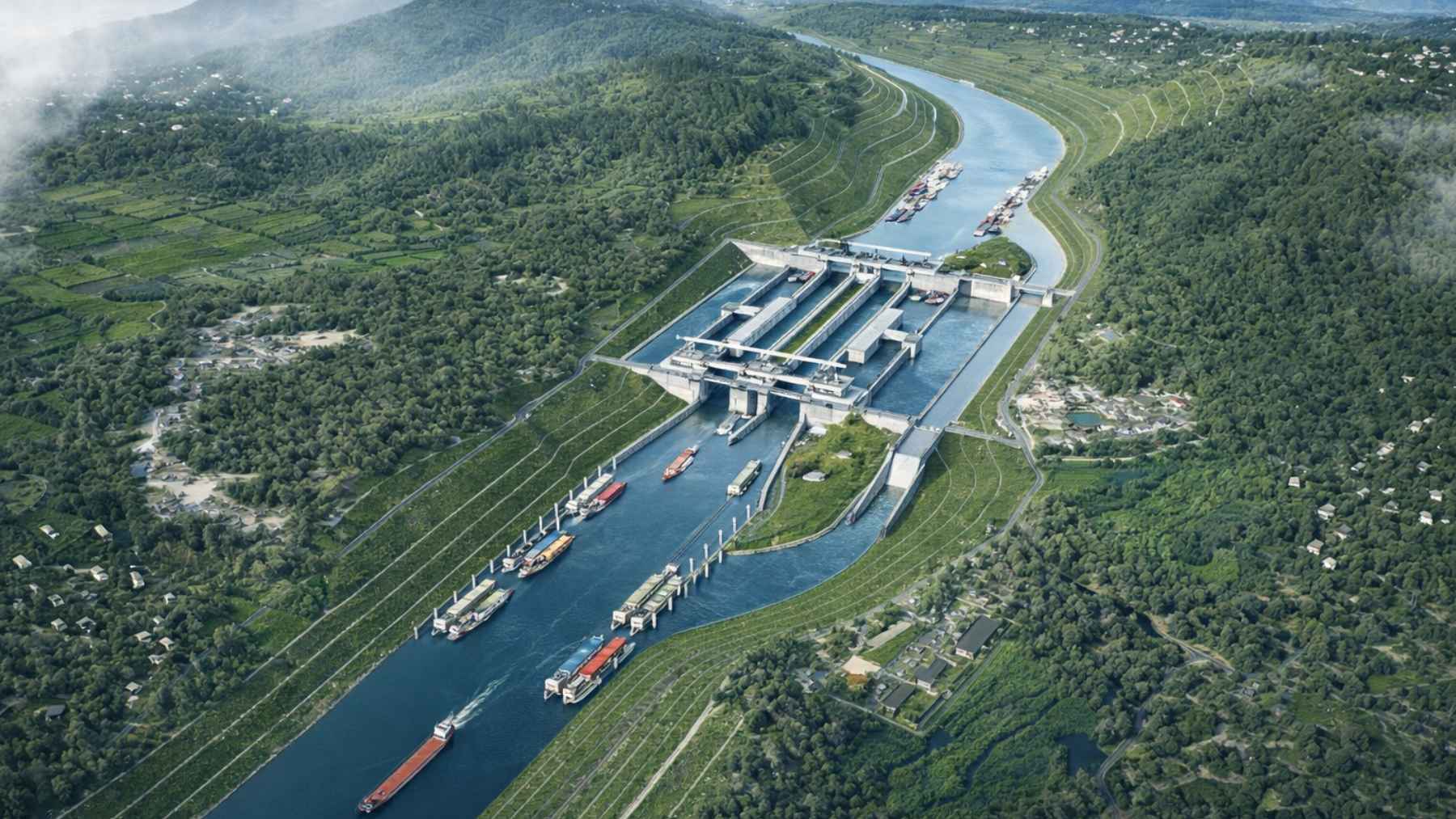
Air travel has been revolutionary for international travel. Within hours, you can find yourself on a new continent. Never before has inter-continental travel been so widespread. However, it remains expensive and impractical for many because of this. CEO of Tesla and SpaceX Elon Musk, however, has proposed a revolutionary alternative towards travel which would transform how we move between continents.
Elon Musk suggests a transatlantic tunnel
Musk has suggested that he has a solution to making a transatlantic tunnel possible between New York and London. Currently, a flight between the two major cities is eight hours. The idea has been around for years, but currently still sits as a theoretical proposal. Currently, the combination of both the cost of building such a tunnel as well as limitations of material science as it now stands means constructing the tunnel into a reality has not happened as of yet.
At the end of last year, proposals resurfaced on plans for such a tunnel, however it comes with a hefty price tag. The tunnel would cost $20 trillion, and most likely is expected to be even more. The tunnel would also take years to build. However, the idea would be to link the two cities on high-speed advanced train technology such that the journey would take less than an hour. If this was a possibility, the high price to make it a reality would be very much worth it.
Vacuum technology may be the answer
While the idea may still seem like something out of a science fiction film, the Tesla innovator may have an idea on how to make the dream a reality. He has suggested that vacuum tube technology could be the answer to constructing the theoretical trillion dollar train. Vacuum tube technology has made significant advancements in recent years. By creating a vacuum within the tunnel and using pressurized vehicles, trains traveling along the structure could theoretically reach speeds of more than 3,000 mph, making the hour long journey between London and New York a reality.
Currently, this type of technology and engineering techniques is applied broadly in the field of materials processing such as drying or filtering, chemical processing, application of metal coatings to objects, manufacture of electron devices and incandescent lamps, and in scientific research. This type of technology is also what proposed maglev trains operate off of.
Current undersea tunnels
While it remains unclear if such a train between New York and London will ever actually be actioned anytime soon, there are plans currently underway around the world for constructing undersea tunnels. In Norway, the Rogfast project is currently underway. This ambition plans to be the world’s longest, deepest undersea road tunnel, connecting the municipalities of Randaberg and Bokn in Rogaland county. The Fehmarnbelt Tunnel between Denmark and Germany is also planned to begin construction in 2029.
Meanwhile in Southern Europe, there are also plans in the works. There has been talks of construction of a new bridge which will link Greece and Turkey, with plans becoming more solidified and closer to becoming a reality. The UK is also currently building one of the world’s most expensive railway projects, named HS2 (High Speed 2). Currently, costs are sitting at $416 million per mile. The tunnel has been under construction since 2019, and is expected to be completed by 2033.
With scientific technology and innovation rapidly evolving, it may become a much bigger possibility to create a tunnel between London and New York. In an age of climate concerns however, there may be pushback from the public on what such a project could do to the sea-life if such a project was ever to become more than a theoretical model.