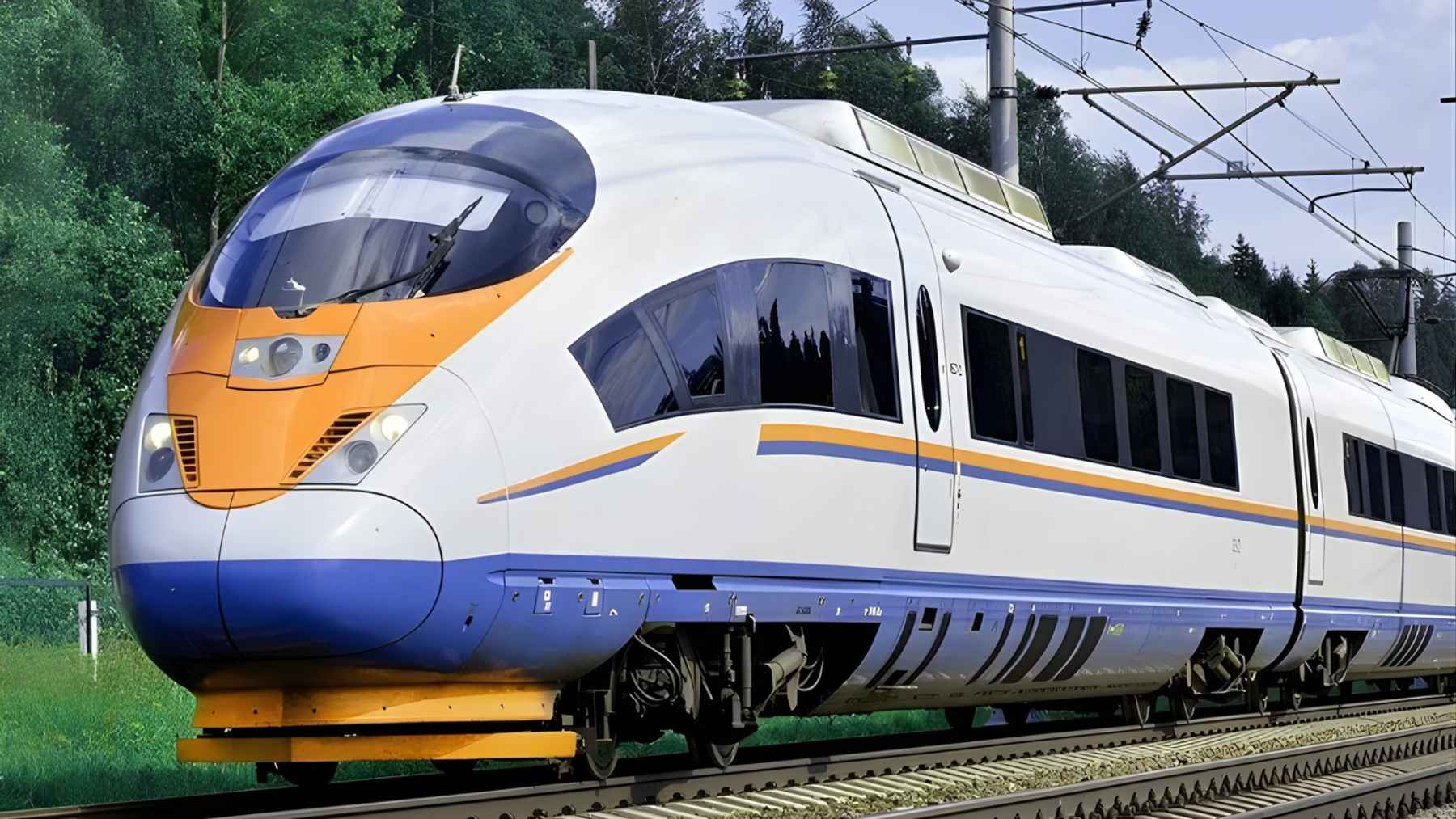
Imagine trading the six-hour crawl along the highway between Rio and São Paulo for a train ride shorter than a movie. That is the promise behind a new high-speed rail line that will connect two of Brazil’s most important cities.
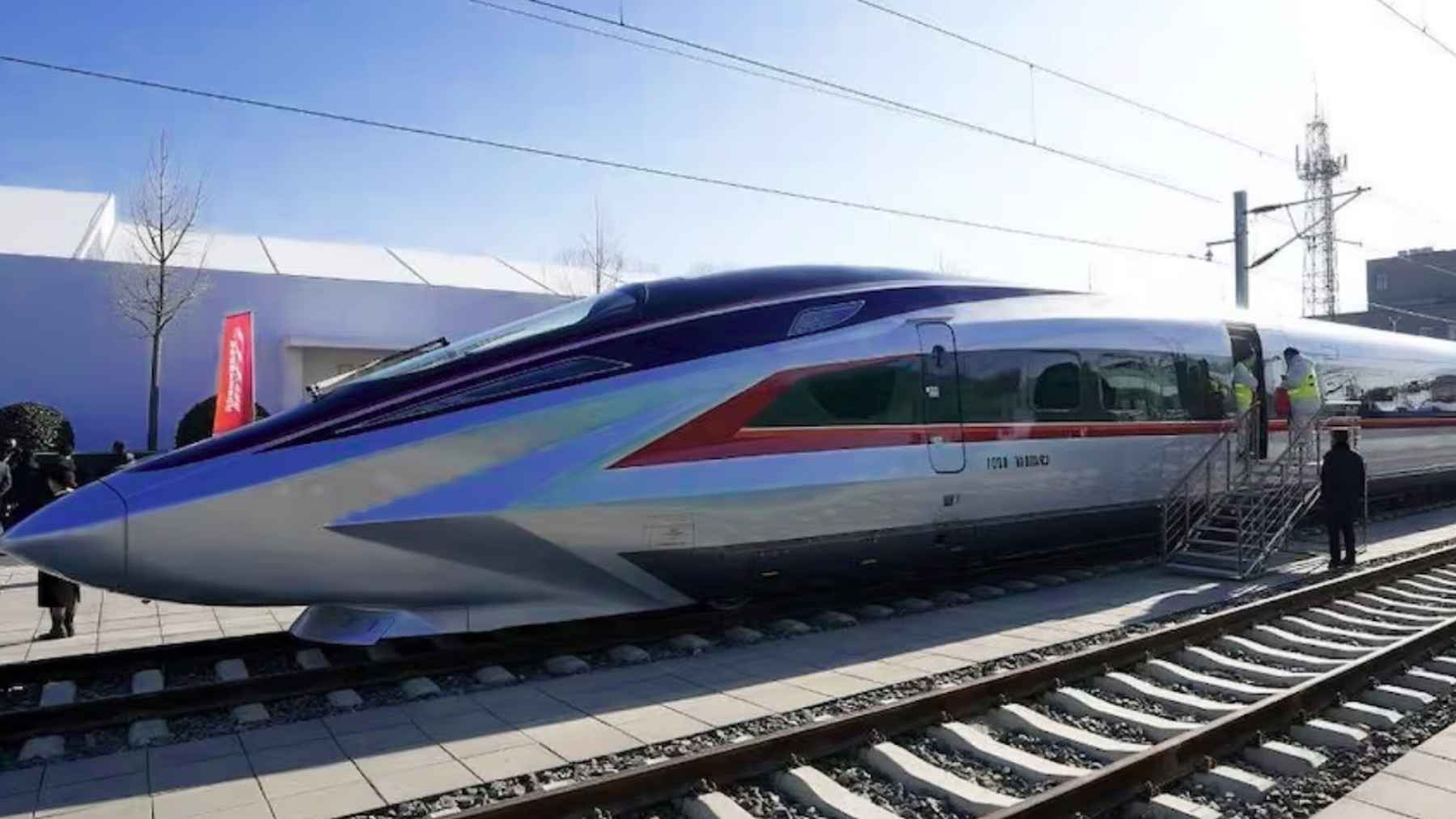
If the project meets its schedule, the Trem de Alta Velocidade, or TAV, will reach top speeds of 350 kilometers per hour and cut the trip between Rio de Janeiro and São Paulo to about one hour and forty five minutes. For transport planners, it would be the fastest passenger train in South America and a major step toward modern rail on the continent.
A high-speed corridor for Brazil’s busiest route
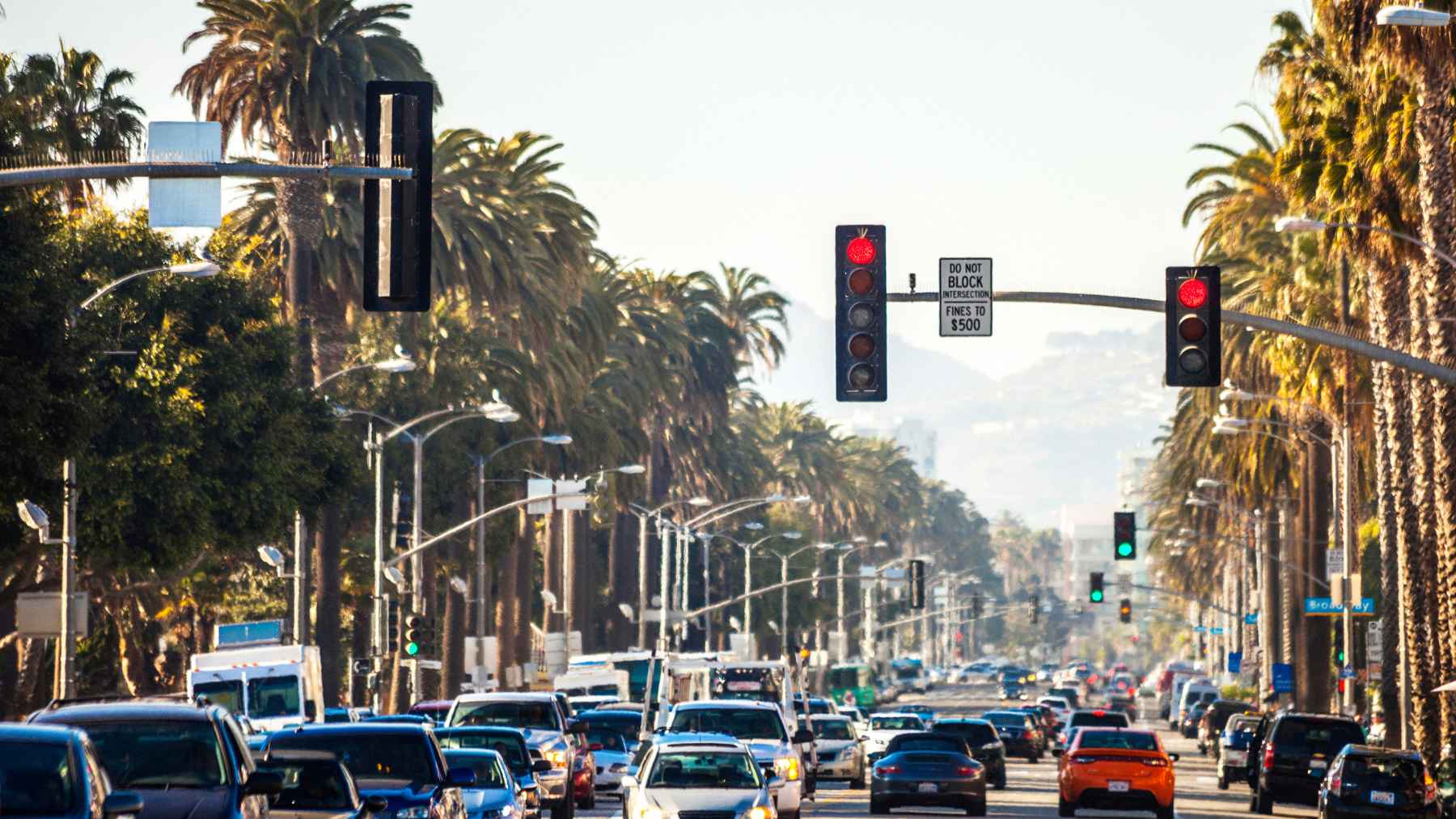
Today, most people traveling between Rio and São Paulo rely on crowded highways or short-haul flights. Drivers inch through traffic on the Via Dutra, often in sticky summer heat, while fliers juggle airport security lines and delays that can stretch a quick hop into a half day ordeal.
The planned high-speed corridor aims to change that daily reality. The line will run for about 417 kilometers between the two cities, with a possible extension to Campinas that would bring the total distance to just over 510 kilometers and keep the full trip under two hours.
How the new train will work
High-speed rail is more than a regular train running a little faster. It uses dedicated tracks, powerful electric trains and advanced signaling so passengers can cruise above 250 kilometers per hour without getting stuck behind slower freight traffic.
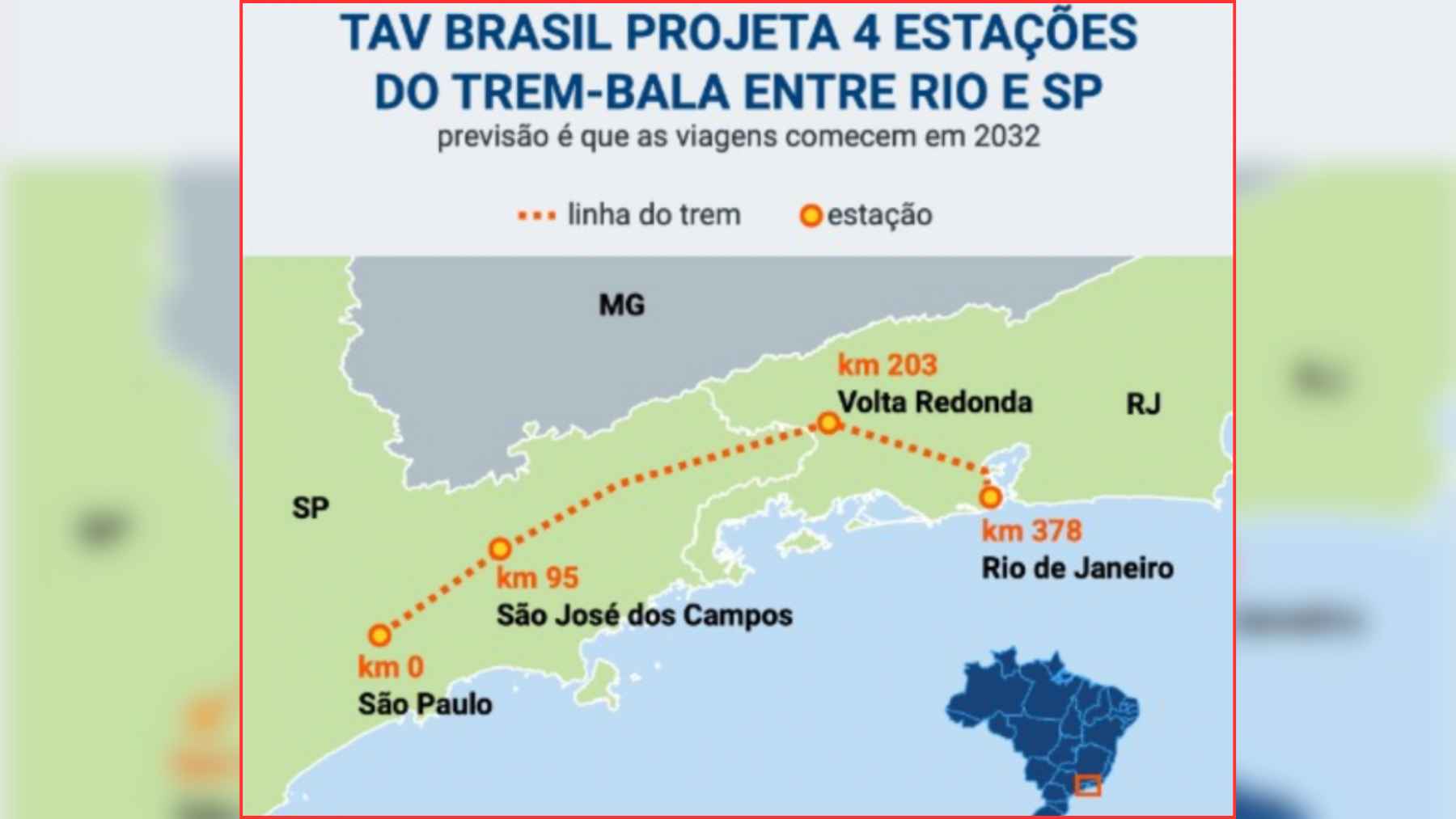
In Brazil’s case, the TAV project calls for four main stations between Rio and São Paulo in addition to any later Campinas branch. Trains would stop at Rio, São Paulo, São José dos Campos and Volta Redonda, serving a corridor that already concentrates a large share of the country’s population and economic output.
Who is behind the project and how much it could cost
The line will be developed by TAV Brasil, a private company that received a 99-year authorization from the National Land Transport Agency, known in Portuguese as Agência Nacional de Transportes Terrestres, to plan, build and operate the service. That authorization marked a rare regulatory green light for high-speed rail in South America after decades of false starts.
Cost estimates vary, but they all point to a massive investment. Figures reported by business magazine Exame and Spanish outlets Xataka and Híbridos y Eléctricos put the price tag at around 60 billion reais, between 10 and 20 billion dollars, depending on how far the line is extended and how many stations are built.
Timeline and remaining hurdles
According to the current roadmap, technical and environmental studies should be completed by the end of 2026. Construction would then start around 2027, with commercial service planned for 2032 if everything goes according to plan.
That is a big “if”. The project still needs environmental licenses, land acquisition along the route and a complex financing package that will likely involve international investors. Past attempts to launch a Rio São Paulo bullet train were shelved when costs rose and political attention shifted, so experts warn that dates on paper may slip.
What it could mean for everyday travelers
If it does open, the benefits for ordinary travelers could be felt quickly. A commuter could leave Rio after breakfast, step off the train in São Paulo before a late morning meeting and be home in time to put the kids to bed, without the stress of long security lines or the risk of getting stuck for hours in a traffic jam.
By pulling some of the millions of annual trips off the highway and out of the sky, the train would likely ease congestion, cut accident risks and reduce greenhouse gas emissions along the corridor.
For many people, the choice could come down to paying a bit more than a bus ticket in exchange for recovering several hours of their day.
The main official authorization for the project has been published by Brazil’s National Land Transport Agency.