Imagine treating chronic pain by stopping it before the brain ever notices it. That is the goal of an experimental therapy called SN101, a cellular “pain sponge” tested in mice with osteoarthritis.
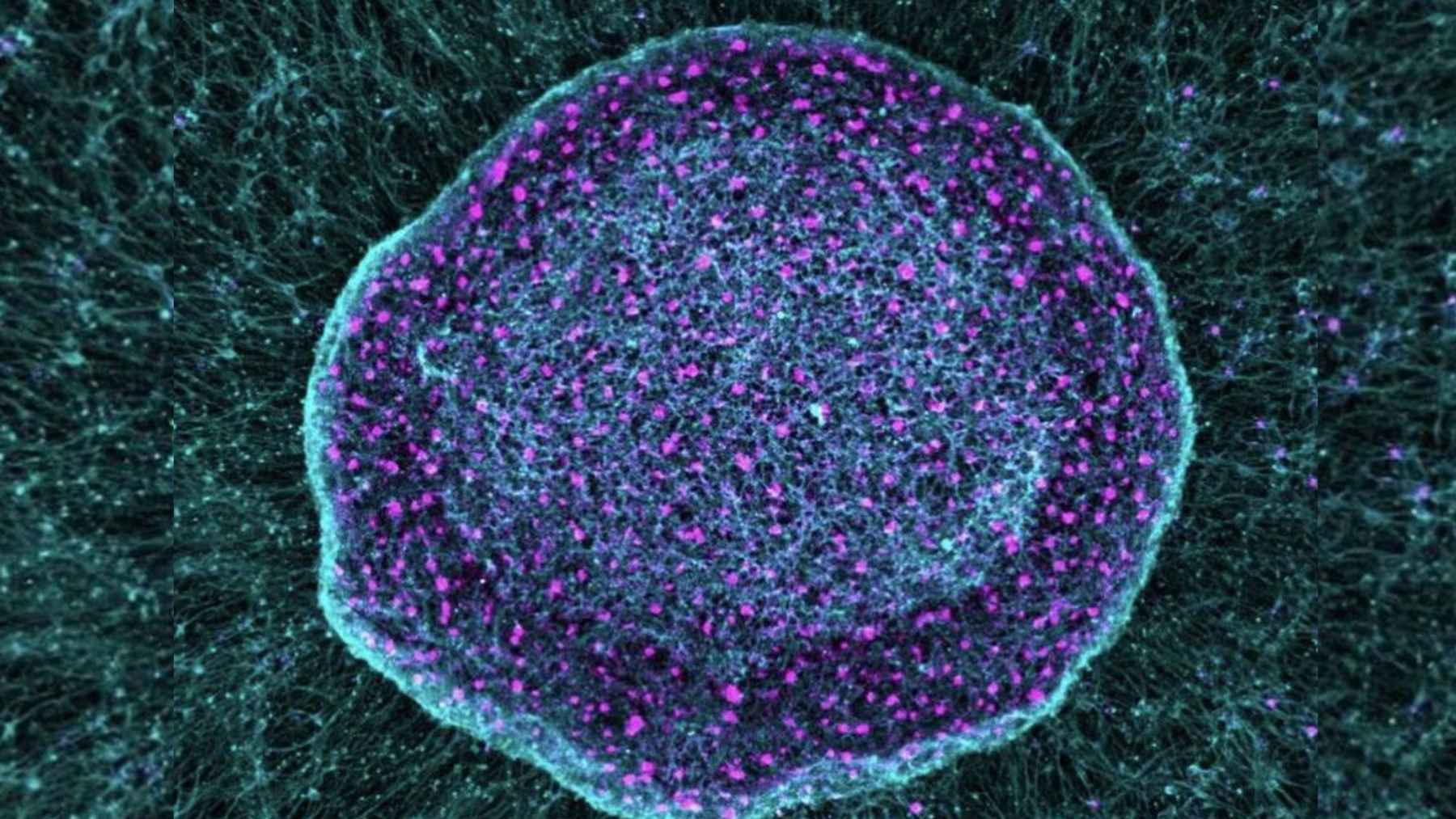
Scientists at the Johns Hopkins School of Medicine, led by neurology professor Gabsang Lee, reprogrammed human pluripotent stem cells into pain-sensing neurons and injected them into damaged joints.
In early animal studies, these engineered cells reduced pain behavior and also improved cartilage and bone health, hinting at a future in which fewer patients need opioids for relief.
How SN101 turns stem cells into a pain sponge
Human pluripotent stem cells are special cells that can turn into many different tissues in the body. In this project, the team guided those cells to become sensory neurons, the nerve cells that normally detect harmful stimuli like heat or inflammation.
Once injected into an arthritic joint, these neurons sit alongside the body’s own pain sensing cells instead of replacing them. They act as biological decoys, soaking up inflammatory molecules that would otherwise bind to native neurons and send alarms up to the spinal cord and brain.
Mouse tests show less pain and healthier joints
To test the idea, the researchers used mice with osteoarthritis, a degenerative joint disease that causes inflammation and ongoing pain. After local injections of the engineered neurons into the affected joints, the animals showed a clear drop in pain-related behaviors and moved more easily.
Joint scans and tissue analyses revealed signs of better cartilage and bone health in treated animals. That suggests the cellular sponge may not only calm pain signals but also help protect or even rebuild parts of the joint that usually wear down over time.
Chuan Ju Liu, an orthopedics professor at Yale University who reviewed the work, said “the possibility that the therapy could both relieve pain and slow cartilage degeneration is particularly compelling for osteoarthritis.”
From painkillers to cell therapy, but not yet for patients
Chronic pain today is often managed with physical therapy, common painkillers, stronger prescription drugs, and sometimes opioids. Those medicines can bring real relief, but they also carry side effects and the serious risk of dependence.
SN101 points toward a different path by placing living cells directly into the joint and letting them mop up inflammatory signals where pain begins. The company SereNeuro Therapeutics, which is helping develop the treatment, hopes that such a strategy could one day let many people cut back on opioid use or avoid it entirely.
For now, SN101 remains in the preclinical stage, and all the data so far comes from mice rather than people in clinics.
Mouse joints are small and shaped differently from human knees and hips, and the human immune system might react in unexpected ways to a wave of new neurons, so researchers will need more safety studies before any human trial.
The main preprint has been published on bioRxiv.