The Smith Ranch-Highland operation achieved principal uranium mining facility status in Wyoming, United States 1975. The mining activities at Smith Ranch-Highland produced more than 10,000 tons of uranium, permanently affecting the mining industry and the natural landscape. The following examination explores key aspects of the massive Smith Ranch-Highland mine, including its historical development, operational details, and consequences for the region.
The uranium operation transformed America’s energy sector into a new, permanent future
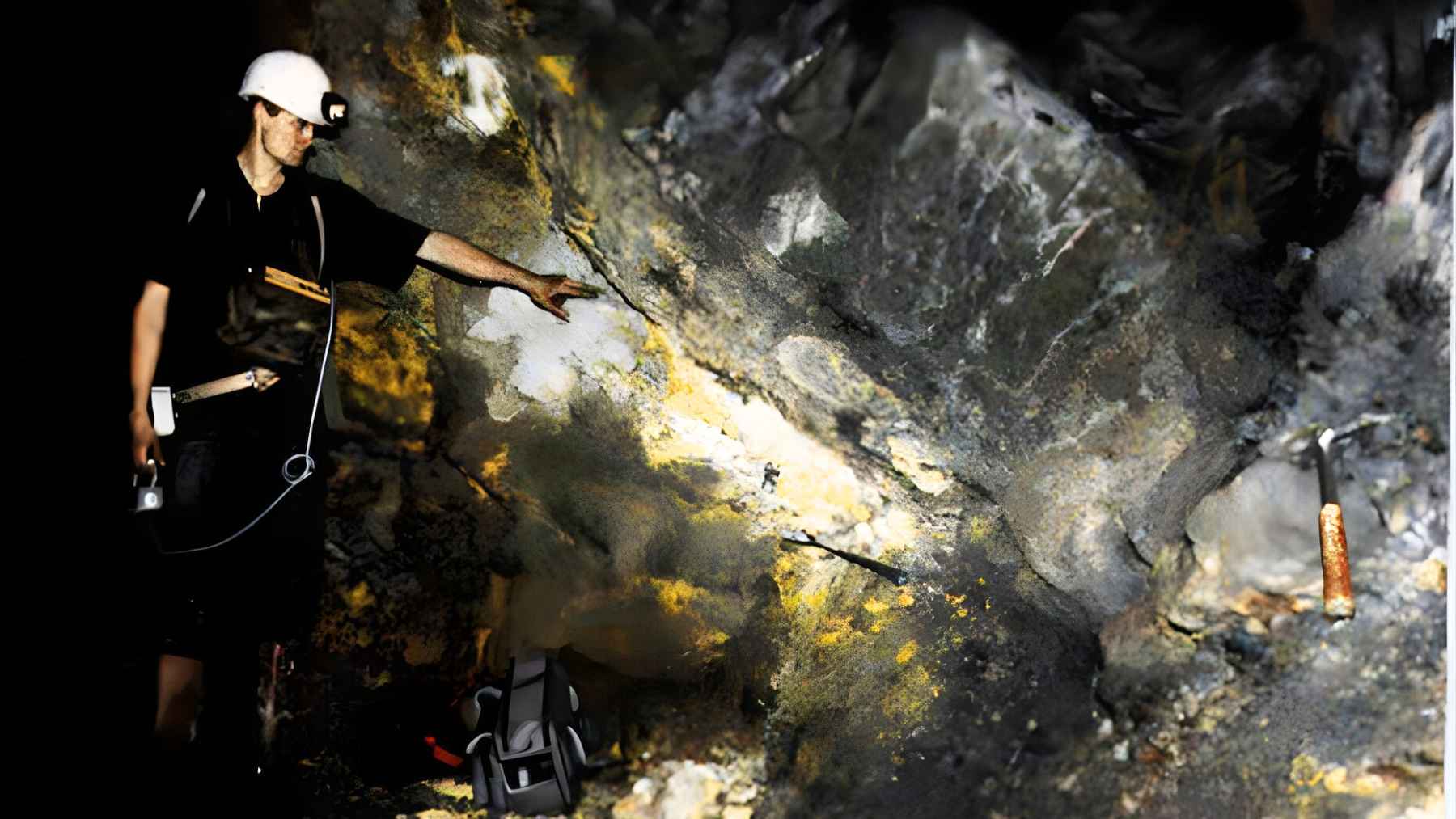
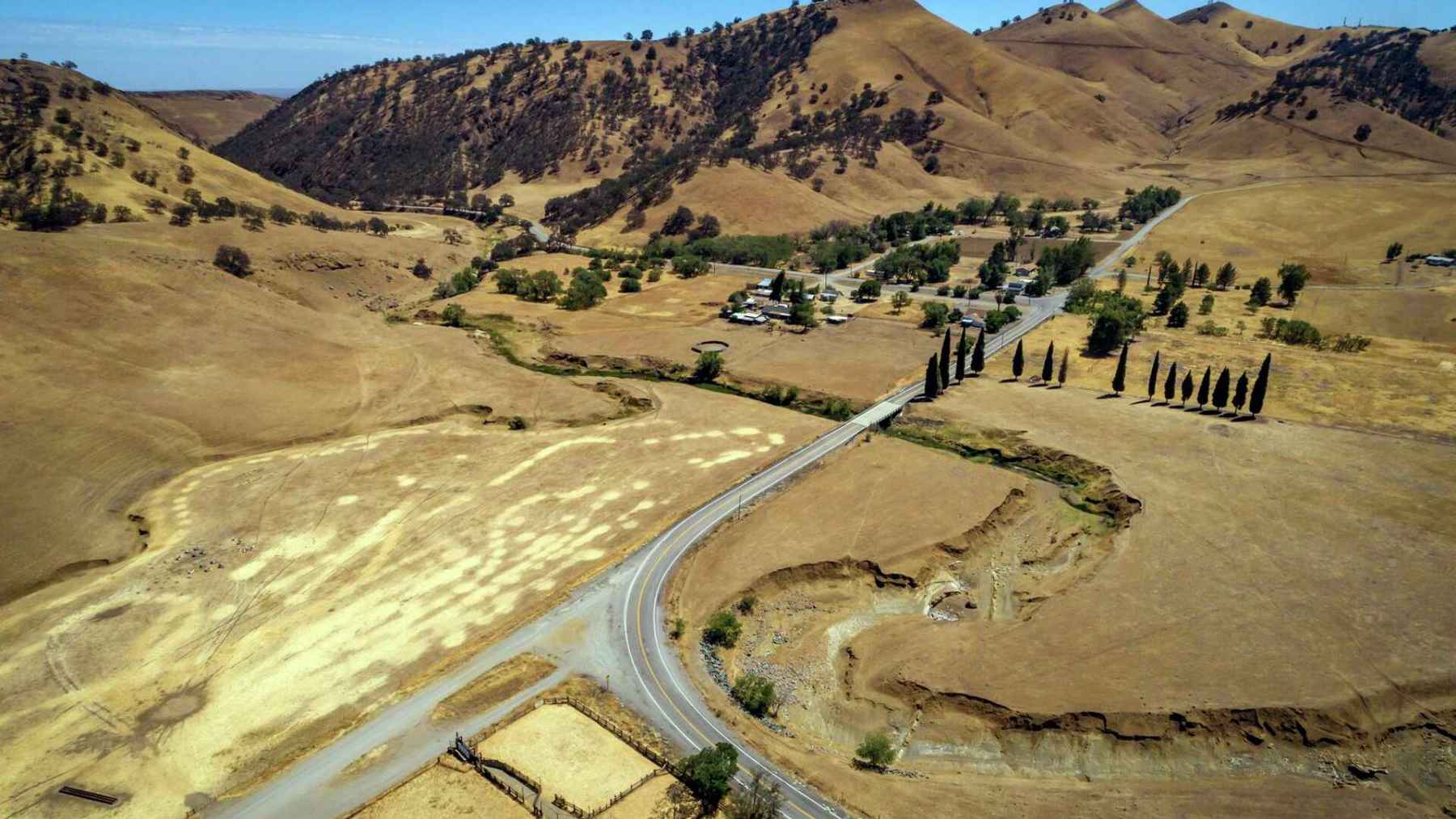
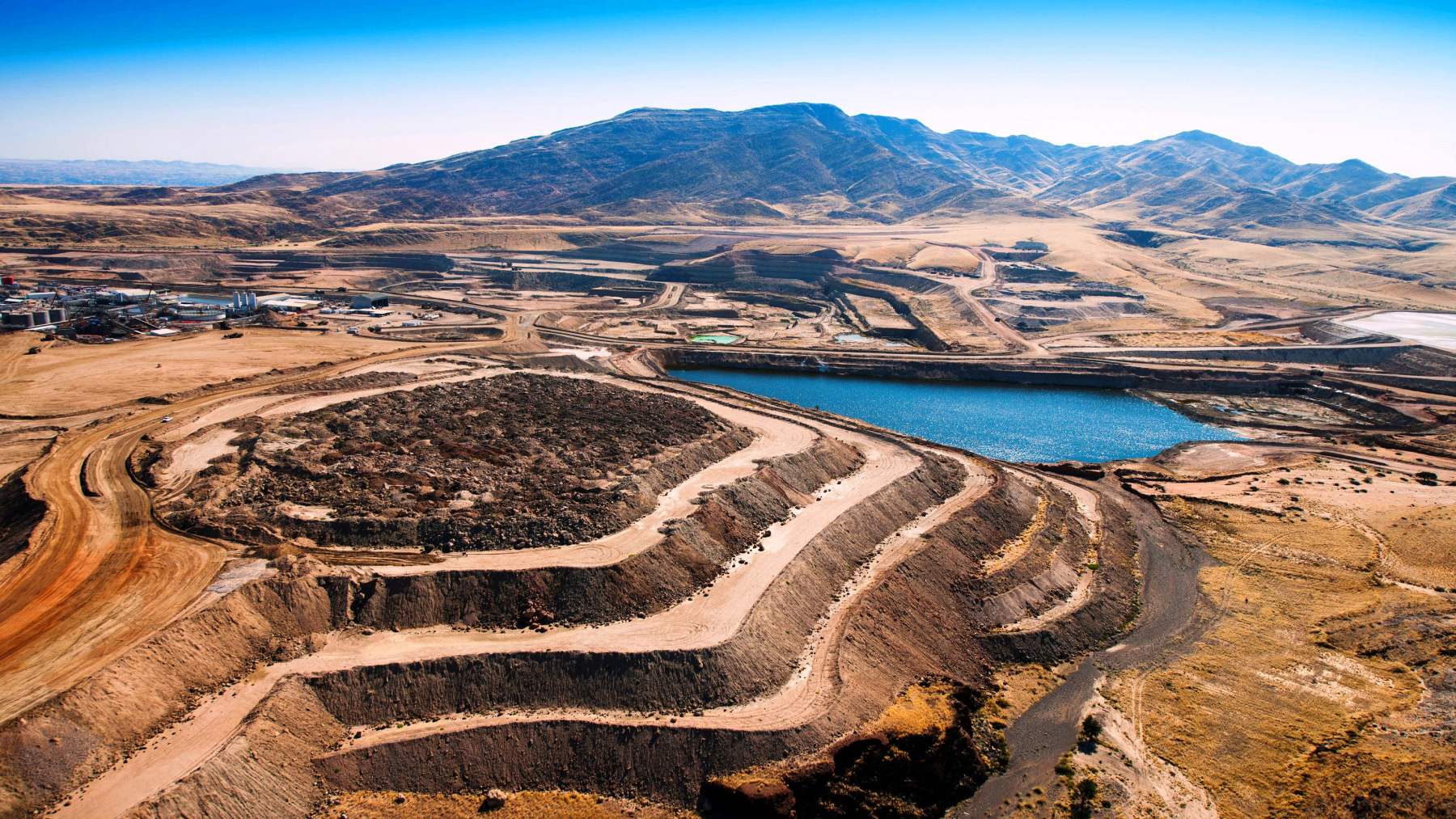
The Smith Ranch-Highland operation started in 1975 and has emerged as one of the biggest uranium mines in the United States. Located 54 kilometers northeast of Casper, Wyoming, the operation executed uranium extractions using in situ recovery (ISR) to produce more than 23 million pounds. The underground uranium extraction from aquifer water allows operators to preserve the land surface while achieving uranium recovery.
The mine achieved its highest production levels at the beginning of the 2000s, substantially increasing the national uranium supply. Current market dynamics, together with regulatory hurdles, caused a substantial decrease in production at the site. Cameco Corporation announced in 2016 that it would halt production in the Smith Ranch-Highland mine and postpone all wellfield development until commercial operations stopped in 2018.
The underground extraction prevents surface destruction yet poses hidden expenses to the process.
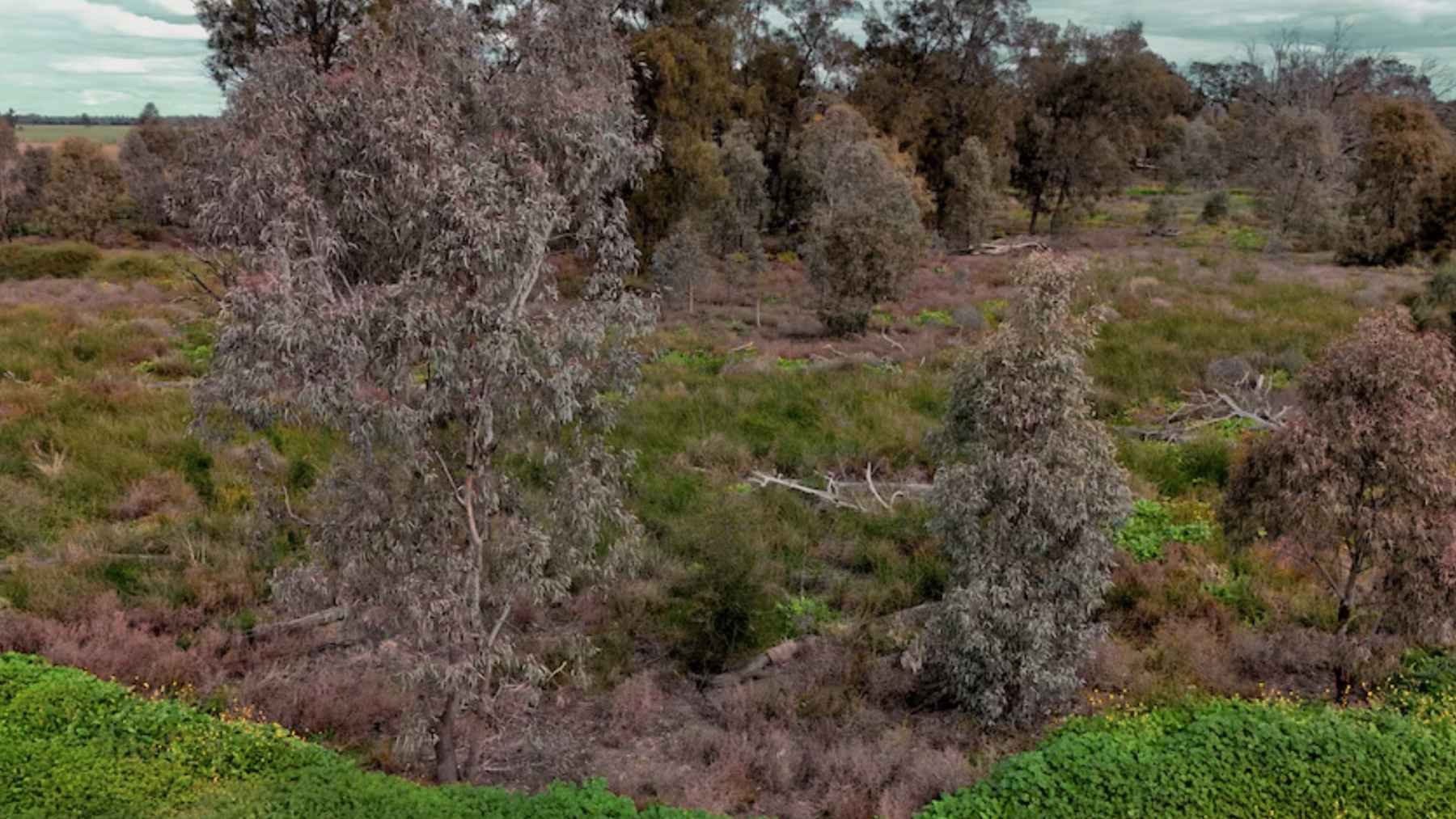
The mining operation at Smith Ranch-Highland uses in situ recovery (ISR) as its viable environmental mining technique. Operational staff use this methodology to dissolve uranium from aquifers by injecting solutions that separate the uranium before raising it to processing levels. Compared to conventional mining, ISR causes less environmental destruction because it generates minimal disturbance at Earth’s surface.
Smith Ranch-Highland operational teams continue choosing ISR as their main method because it provides efficient extraction and minimal ecological impact. There is no need for deep excavation during extraction because this process allows uranium removal (more on uranium mining) through a method that keeps the region’s natural landscape intact while minimizing waste. Implementing ISR necessitates proper control measures to stop groundwater pollution while guaranteeing occupational safety and environmental security.
The operation presents multiple concealed threats to both safety and the surrounding environment, which you have to understand
Several environmental and safety issues have emerged from the operation of Smith Ranch-Highland. All forms of ISR operations threaten soil and water quality, but groundwater contamination is the most significant environmental risk. The mine operator, Cameco, has established strict environmental monitoring systems and safety standards to reduce high risks at the site. Environmental surveillance combined with proper decommissioning methods must be performed as a matter of safety to protect site operations over the long term.
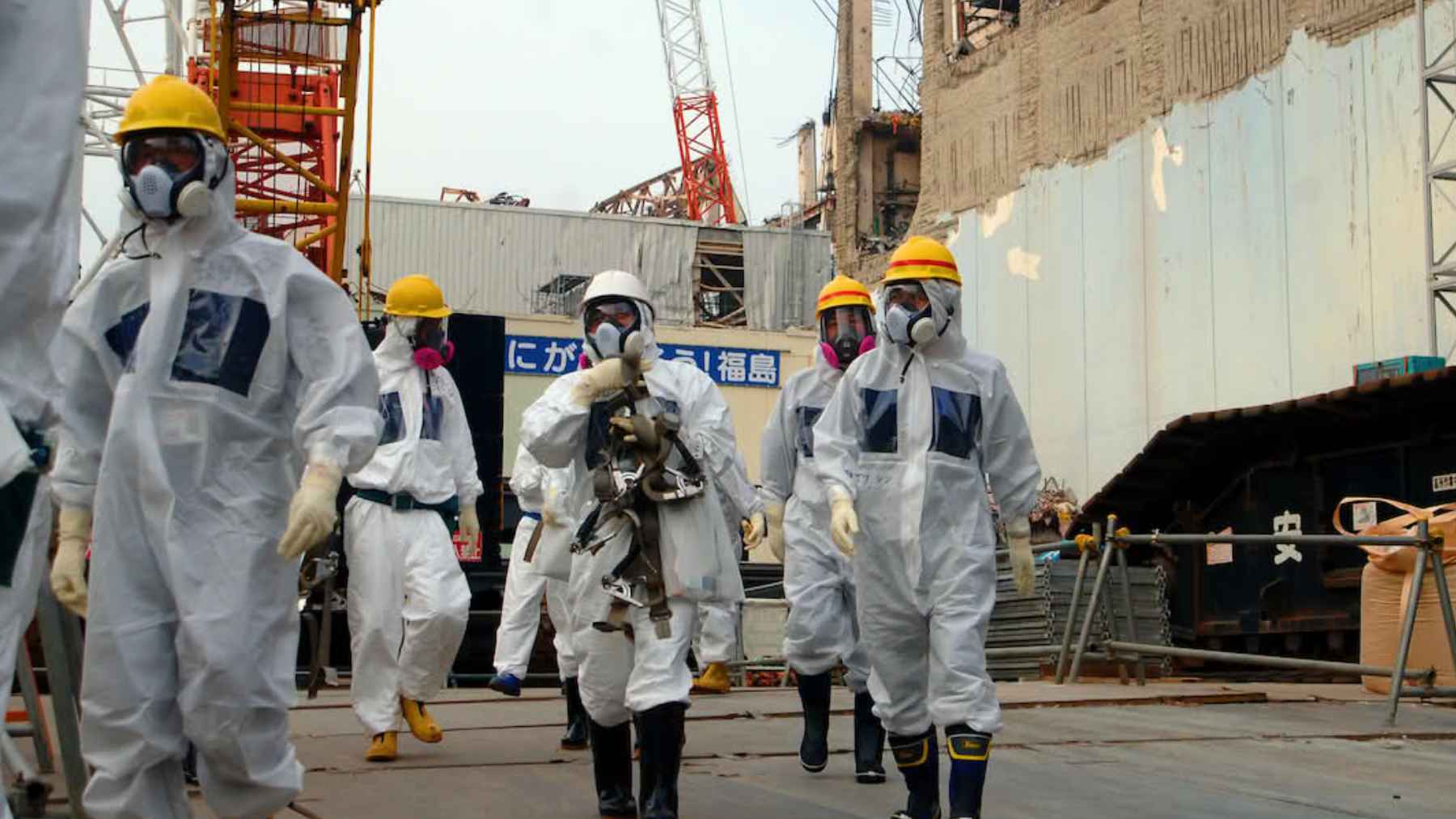
Employer health protection is at the highest level for employees at Smith Ranch-Highland. The mine operates under U.S. Nuclear Regulatory Commission regulation, establishing safety standards and performing compliance checks. Despite the implemented protective measures, workers and their neighboring communities face ongoing dangers from radioactive contamination.
The massive annual expenses yield no indication of whether this mining operation will start operations again.
The operation at Smith Ranch-Highland created sustained economic value by providing employment opportunities and strengthening the local financial state. The halt in production activities since 2018 created substantial economic difficulties for the local area. Cameco operates the site through annual maintenance costs of between $14 million and $15 million to perform site management tasks and protect environmental safety.
The future destiny of Smith Ranch-Highland remains in doubt. Market conditions and regulatory changes between now and future operations will determine whether the mine can return to production. Cameco has shifted its operations to site maintenance and environmental issue resolution since it anticipates no production in the coming 2025 year.
Since 1975, the Smith Ranch-Highland operation has established itself as a vital component of the U.S. uranium sector by creating more than 10,000 tons ( read more news on uranium). Although the mining site’s operation has ended, its historical impact persists. The management of a big radioactive site requires thorough environmental protection measures, strict safety protocols, and economic analysis for the local residents.