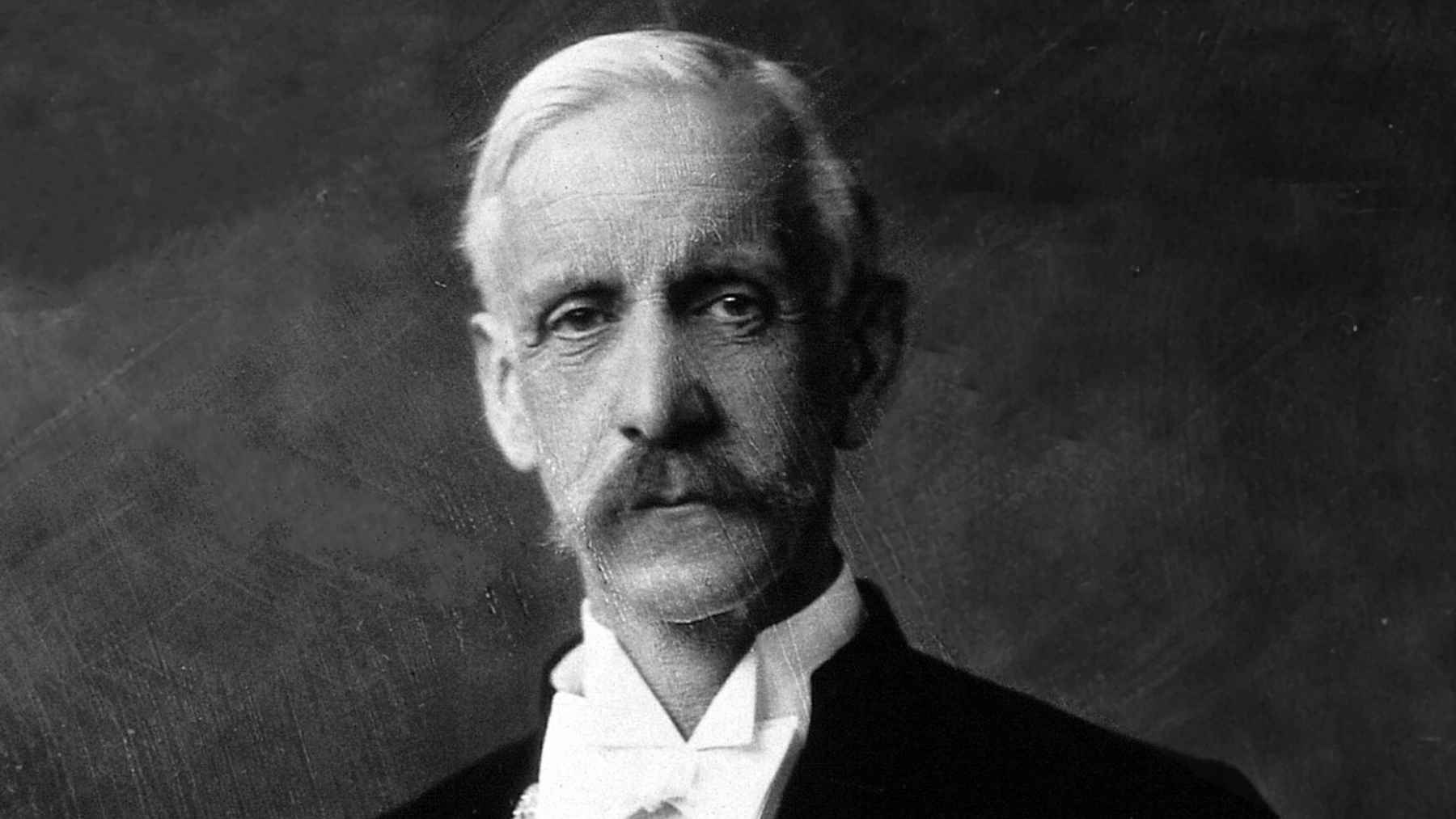
The automobile industry is at a crucial point with electric vehicles and EVs being embraced to reduce their impact on the natural environment. However, the transition is not without its hook points, such as the high cost of production and slow market penetration. Stellantis’ former CEO Carlos Tavares has been one of the most active, calling the governments to up their support towards EVs. Now let’s dwell on the specifics; his opinion on the future of EVs and his vociferous appeal to governments.
The hidden truth about EV costs: Why carmakers struggle to make EVs affordable
The road to the EV revolution has a significant barrier, which is cost. In his case, Tavares explained that while carmakers were endeavoring to drive the price down, EVs are still expensive for consumers. They include the cost of battery, logistics complications, and the fundamental research activities required to develop every EV technology.
Tavares used France’s example of the ‘écological bonus,’ as well as electric leasing initiatives, as examples of how governments can reduce consumers’ costs. Such programs made EVs popular so that common people could also buy them, making mobility environment-friendly. As anyone might understand, however, without similar incentives elsewhere in the world, Tavares maintained that the transformation could stagnate, placing EVs in the sphere where they are unattainable for most individuals.
Why Tavares says governments hold the key to the EV future
Tavares stands confident about governments’ ability to play a central role in the transition towards electric vehicles. He pointed out that public policy requires offering incentives and undertaking infrastructure development for automakers. This is because the industry has two main problems when it comes to adopting such technology: a slow uptake rate and competition from Chinese manufacturers if they are not tamed this time.
For instance, contenders from China have already been steadily increasing their market share in Europe as they provide aggressively-priced exciting EVs competing with brands of European car makers. Tavares said governments must make things equitable by using tariffs or incentives to defend local industries. Thus, it is possible to support startups and create demand for eco-friendly innovation complemented by the protection of jobs and businesses, such as the French ecological bonus.
The challenges Stellantis faces while trying to stay competitive in the EV race
During Tavares’ push for EVs, Stellantis had its own issues and difficulties dealing with them as a company. They recorded weak sales and profitability mainly because of the outdated models in use in North America due to changing consumer trends. Some people suggested that Tavares failed to reinvent the company by cutting too many costs to meet the market needs.
In Europe, Stellantis also competed with other EV manufacturers from China, whose vehicles were cheaper to produce. The recent partnership with China’s Leapmotor can take credit for creating something for the future, but it’s still in its infancy. At the same time, the UK-based plant of Stellantis, which stopped its operations, signaled that the transition to the electric vehicle sector was not easy for firms to sustain profitability.
Looking ahead: What it will take for the EV revolution to succeed globally
As stated above, it will take the collective efforts of governments, vehicle manufacturers, and consumers to integrate electric cars fully. Carlos Tavares, among other leaders, has voiced the need for governments to up their support because the financial and infrastructural challenges are a real drag to the change.
There are big auto companies like Stellantis that recently put billions into electric vehicle technology, but no company can do that alone. It also calls on governments to offer subsidies, guard homegrown industries, and invest in adequate charging stations. Consumers themselves also need to follow this paradigm; hence, they should be encouraged by policies that will enhance the functional aspects of EVs.
Carlos Tavares may no longer be at the helm of Stellantis, but his message about the future of EVs remains clear: they must act proactively to instigate this change. It is a rather large-scale upheaval, but if the right measures are being taken, the dream of a green future automotive industry is not impossible.