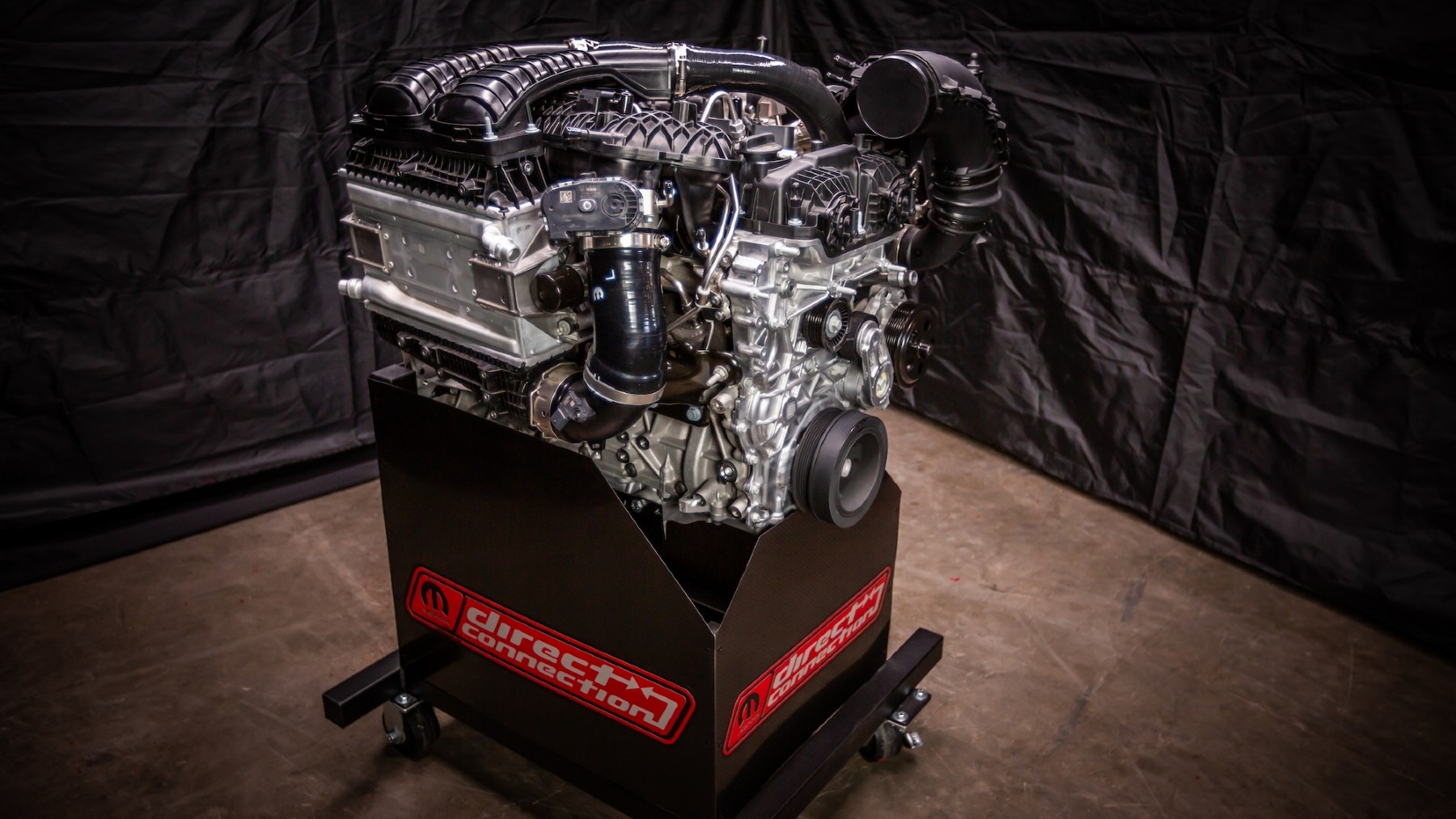
Automotive giant Stellantis, one of the biggest carmakers in the world, is set to begin a $6 billion initiative to develop new internal combustion engines that can be used with ethanol, thus marking the company as a leading global player of the future. The $2bn investment planned for South America is a record investment in South America’s automobile industry and underlines that despite the rising trend toward electrification of autos, the internal combustion engine is far from vanishing.
Stellantis is in the process of providing a long-term vision for both conventional and non-conventional energy sources throughout its strategic evolution through flex-fuel engines, hybrid technologies, and future de-carbonization initiatives.
Why Stellantis is betting on flex-fuel engines: Understanding how ethanol fits into their $6 billion plan
The centerpiece of Stellantis’ investment plans is the manufacturing of flex-fuel engines, which are engines that can use both petrol and alcohol. These engines are not just cleaner than current gasoline engines but also provide a more adaptable answer to areas such as South America where ethanol is more easily accessible.
For instance, Brazil has been a global ethanol powerhouse due to its sugarcane production, and leveraging the flex-fuel technology as Stellantis has effectively engaged this resource. Implementing flex-fuel engines proves that Stellantis has strategies in place to meet the energy demands specific to the South American region, as well as assist with curbing global carbon emissions.
Hybrid-flex and electric systems: How Stellantis is combining flexibility and electrification for a greener future
Aside from flex-fuel engines, Stellantis has also announced plans for hybrid and plug-in hybrid-flex systems, which combine flexibility with electrification. These hybrid technologies will thereby take the merits of both fuel types to offer consumers a consummately efficient and environmentally sustainable means of powered transport.
Thus, the new generation of hybrid-flex engines will also include a battery component for increasing fuel efficiency and reducing the emissions of the vehicle. Hybrid technologies will also be introduced in the vehicles to enhance their capabilities and reduce the production of greenhouse gases. In hybrid flex models, the company is about to prepare for the future of the mobility industry, which is more encompassing and environmentally friendly apart from fully relying on ICE.
South America’s auto market: Why Stellantis is heavily investing in this region to fuel growth and innovation
It is important to note that Stellantis’ investment in South America is part of a growing trend of the region becoming a significant player in the company’s international strategy. With a market share of 31%, the company is in a better position to offer its customers the best products that meet their requirements.
Stellantis sold roughly 878,277 vehicles in the region in 2023, suggesting vast room for growth as the company deploys its new flex-fuel and hybrid models. Stellantis is also committed to producing at least one more vehicle that is purely electric, also known as EVs, to capture the market need in the region.
How Stellantis is shaping the future with new OTMS-compliant gasoline engines: Internal combustion reimagined
Therefore, Stellantis’ $6 billion bet on new OTMS-compliant gasoline engines can be viewed as confidence in internal combustion engines and their ability to adapt to the future. Most of the automotive industry strategies are focused on electrification, but Stellantis is expecting a more balanced solution with flex-fuel and hybrids. As a byproduct of sugarcane, ethanol is a popular energy source in South America, making it a focal investment area for Stellantis.
The goal here is not simply to use one type of energy source but to achieve this in the area with the highest carbon emissions in the world. From 2025 to 2030, more than 40 new vehicles are intended to be created and launched into the market, hence pointing to the company’s plan of maintaining dominance in the region and meeting the customer’s needs.