What made Stephen Hawking stand out from so many brilliant scientists? It was not just raw brainpower. He spent his career pushing back against false certainty, the idea that science stops moving when people act as if they already have all the answers.
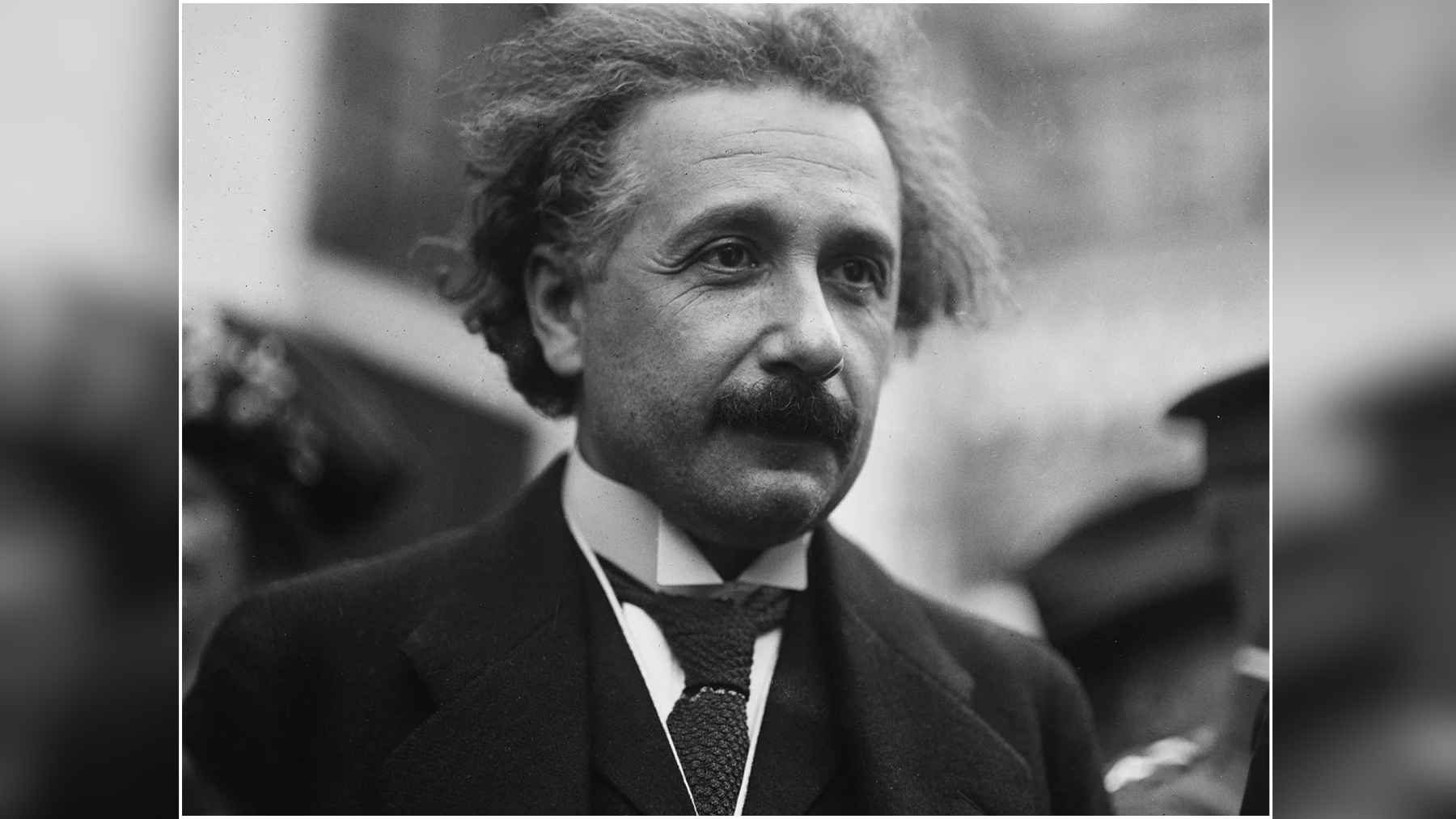
Born in Oxford on January 8, 1942, Hawking was not a star student as a child, although classmates nicknamed him “Einstein.”
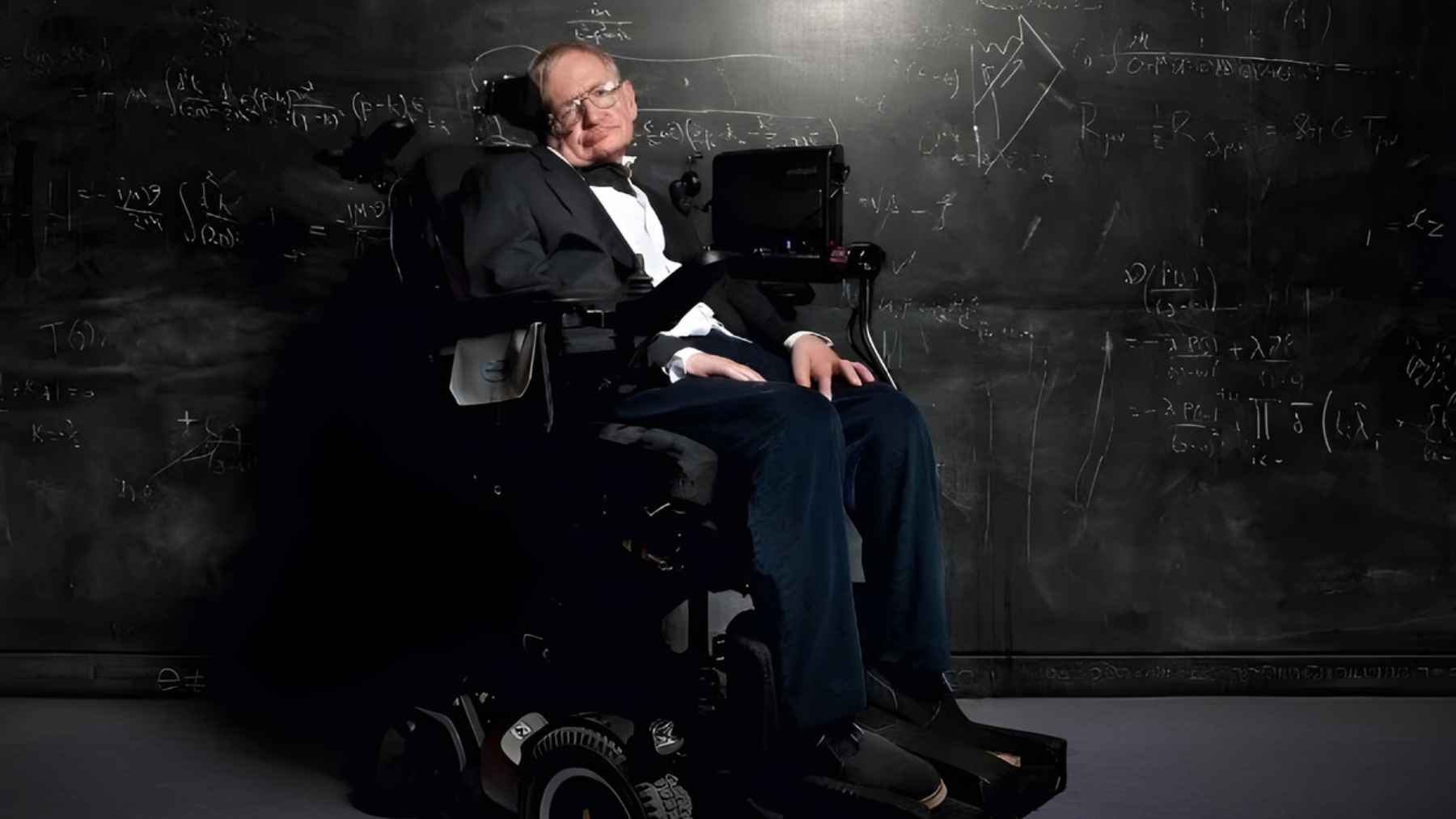
He later moved from University College, Oxford, into a career that made him one of the world’s best-known scientists, even after ALS slowly limited his movement and speech. Along the way, he also helped ordinary readers feel that cosmology was not out of reach.
From a difficult diagnosis to a global scientific voice
Hawking was diagnosed around his 21st birthday with the disease Americans know as ALS, a condition that damages the nerve cells that control muscles. Doctors once expected he had only a short time to live, but he went on to work for decades, marry Jane Wilde, and raise three children.
But the illness never became the whole story. After he later married Elaine Mason, he kept publishing and speaking to huge audiences, and a 1985 pneumonia episode that took away his natural voice eventually led to the computerized voice millions came to recognize.
How Hawking changed what we know about the universe
Working with Roger Penrose at the University of Cambridge, Hawking helped show that Einstein’s theory of gravity points to a beginning of time in the Big Bang and to extreme endings inside black holes. So, what is a singularity? In simple terms, it is a place where matter is crushed so tightly that today’s physics can no longer fully describe what happens next.
He also explored the possibility of tiny black holes formed in the early universe and made his most famous breakthrough in 1974, when he argued that black holes are not completely black. They can leak energy over time, an idea now called Hawking radiation. In practical terms, he helped turn black holes from distant science fiction into objects governed by real physical rules.
Why his books and public voice still matter
Not everyone reads physics papers over breakfast, and Hawking knew that. That is why “A Brief History of Time” tried to bring huge ideas about space, time, and the origin of the universe into everyday language, later reaching readers in more than 40 languages. Years later, his life also reached movie theaters in “The Theory of Everything.”
Honors followed from major institutions on both sides of the Atlantic, including a CBE, election to the Royal Society, and membership in the US National Academy of Sciences. But for most people, his most lasting message was simpler. Stay curious, look up, and keep questioning easy answers.
The main official biographical information referenced in this article has been published by the Stephen Hawking Estate website.