As CEO of Tesla, Elon Musk maintains his reputation for delivering large-scale promises that sometimes border on unthinkable announcements. Musk expected the Tesla Cybertruck to achieve enough water resistance to operate as a short-term boat. Musk’s daring pronouncement initiated widespread inquiry and doubt among various observers. The analysis begins by studying Tesla’s future, as described by Elon Musk.
A Cybertruck as a boat? The actual events surrounding the incident unfolded in Ventura.
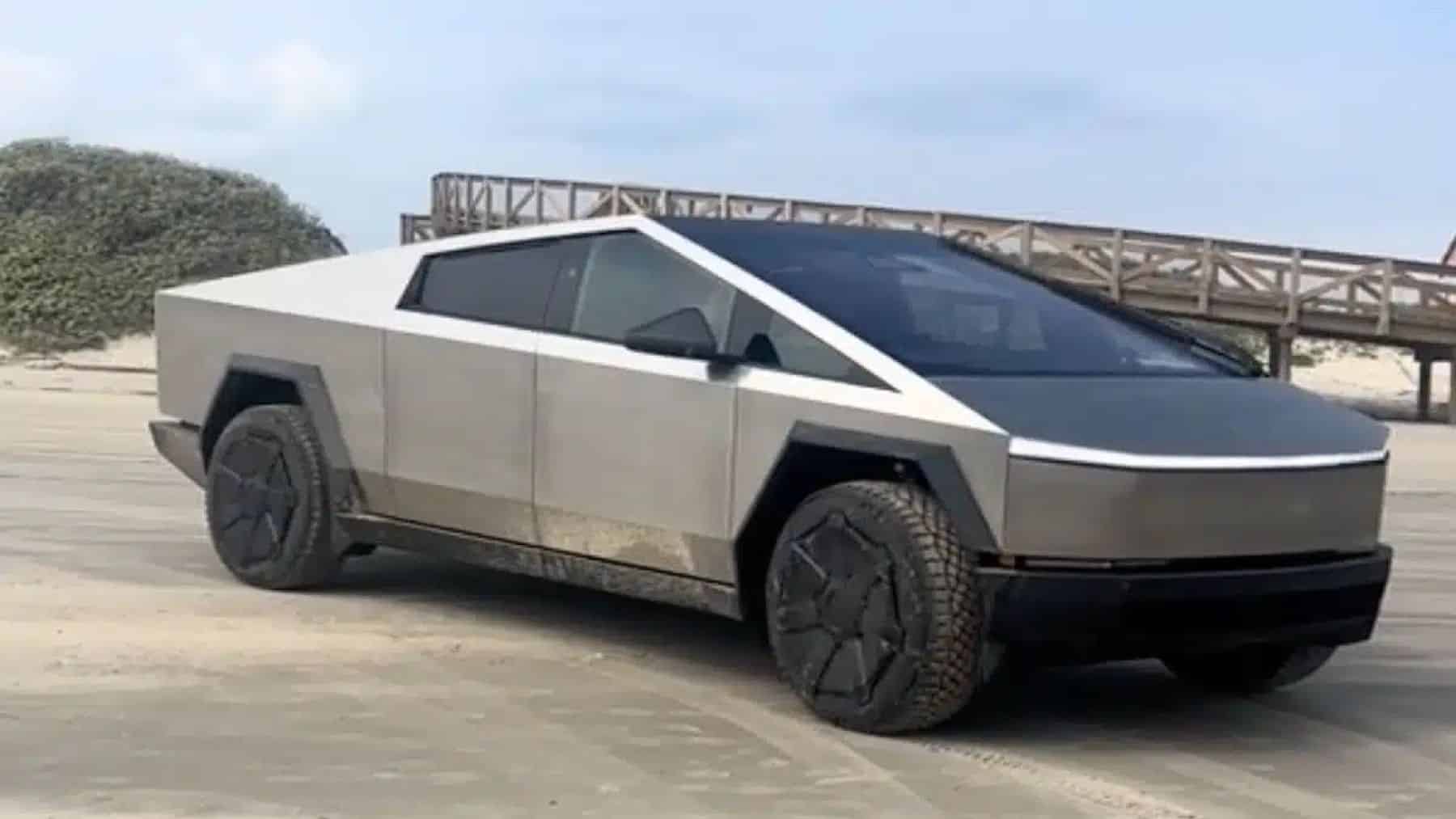
Elon Musk communicated during Cybertruck promotional tweets that this electric truck would have sufficient water resistance to operate as a small boat. Musk’s statement revealed that Cybertruck had enough capability to provide brief boat capabilities across water surfaces, including lakes and seas while navigating rivers. The idea fascinated Many people, but such a feature raised doubts regarding the real-world possibilities and protection measures involved.
A recent occurrence in Ventura, California, challenged Elon Musk’s statements regarding the Cybertruck’s boat capabilities. A Cybertruck entered the harbour when crew members failed to launch it from jet skis. The vehicle did not function as a boat during the incident, yet sank. At the same time, firefighters from Ventura, Harbor Patrol forces, and Coast Guard personnel collaborated to extract the damaged Tesla with assistance from one of its engineers. An incident demonstrated that the amphibious operation capabilities of Cybertruck create substantial operational risks for users. Tesla will keep pushing innovation, leading to advanced improvements regarding vehicle waterproofing technologies and amphibious functionality.
Transforming automobiles into functional boats remains a significant challenge in automotive development.
The basic notion of designing vehicles which remain dry during operation already exists. Modern vehicles possess resistance against water exposure up to certain depths, including puddle passages and shallow pools. Significant technological barriers exist in the process of making a vehicle fully amphibious. Multiple barriers stand in the way of waterproofing the battery and electrical systems and maintaining water buoyancy and stability.
The incident during the Ventura event proved that the Cybertruck exhibits water resistance yet cannot serve as a boat. The recovery operations deliberately conducted hazard research so everyone could operate safely. The fearful operating procedure reveals the advanced nature of converting an automobile into an amphibious vehicle and the necessity for complete testing and validation processes.
Is Tesla behind? Several types of EVs have already achieved water resistance capabilities.
The concept of amphibious electric vehicles attracts Tesla, but several other automobile manufacturers are currently pursuing this technology. BYD exhibited the U8 luxury SUV as their water-safe electric vehicle that can remain afloat for thirty minutes while moving at a slow pace of 1.8 mph. The amphibious feature is an emergency measure to preserve vehicles during flood events based on actual amphibious technology applications.
Tesla Cybertruck contrasts with the approach BYD showcases through its U8 product line in the electric vehicle market. Although the Cybertruck’s actual amphibious features are currently unproven, according to Musk’s statements, the manufacturing demonstration from BYD confirms that this functionality can be achieved through proper engineering approaches.
Tesla envisions its future innovations through the next phase of its ambitious developments.
It is beyond amphibious vehicles that Elon Musk envisions for Tesla. The company maintains its leadership in electric vehicle technology through the constant development of battery and autonomous driving systems and solutions for sustainable energy. The Cybertruck serves as a design statement by Tesla toward unconventional vehicles with futuristic features.
Tesla will keep pushing innovation, leading to advanced improvements regarding vehicle waterproofing technologies and amphibious functionality. The Cybertruck incident demonstrates that visionary product claims demand proper testing and validation procedures to support them. Tesla’s success as a company will rely on its capability to transform its imaginative concepts into functional, reliable, and safe delivery products.