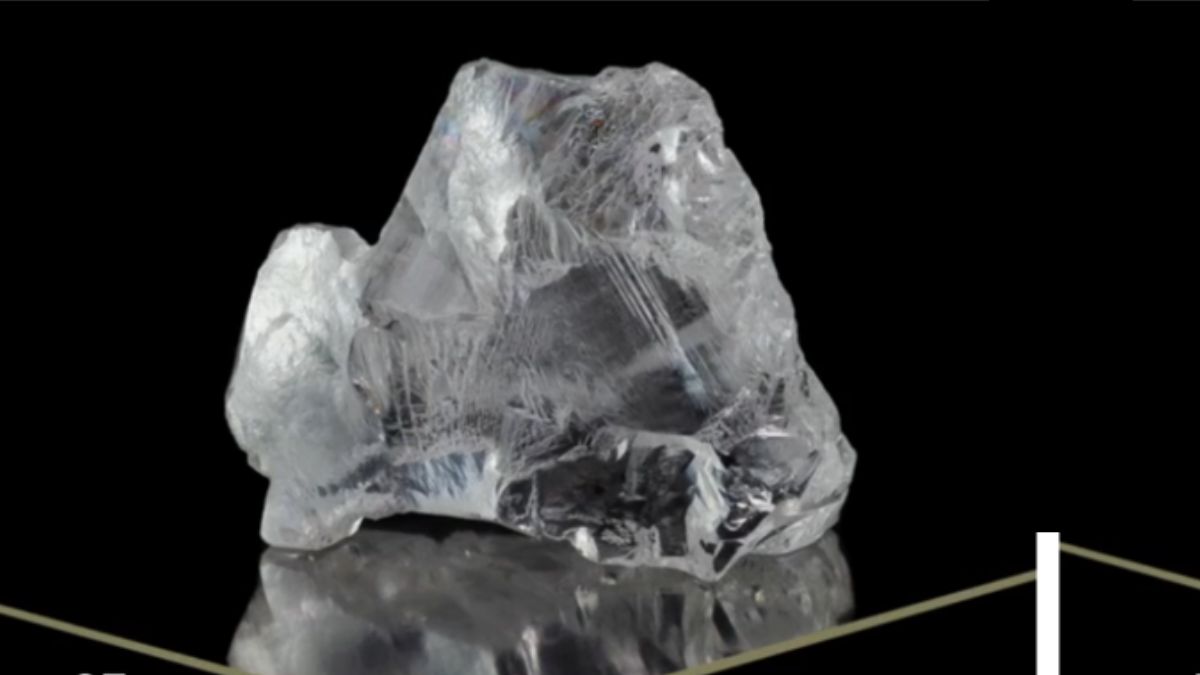
Would you pay a fortune for a single stone? On May 13, 2025, a 10.03-carat blue diamond called The Mediterranean Blue sold in Geneva for $21.5 million, offering a sharp read on how much collectors still value extreme rarity.
The diamond’s “Fancy Vivid” grade is the strongest color intensity category used by major labs, and its VS2 clarity means small inclusions are usually hard to notice without a jeweler’s magnifier. Put together, it’s the kind of spec sheet that makes bidders lean in.
A headline lot that tested buyer appetite
Sotheby’s positioned The Mediterranean Blue as a centerpiece and shared a detailed lot description for registered bidders, including its Type IIb classification and the lab reports tied to the gem. The result mattered because one standout sale can still cut through a softer mood elsewhere.
Big prices don’t prove the whole market is booming. But they can set a benchmark that shapes how other rare stones are pitched and priced in the months that follow.
What makes a diamond blue in the first place
A blue diamond is still carbon, but with a twist. A small amount of boron can slip into the crystal structure as the diamond forms deep underground, changing how the stone absorbs light and giving it a blue look.
In a widely cited 2018 paper, researchers led by Evan M. Smith at the Gemological Institute of America, with Steven B. Shirey at the Carnegie Institution for Science and coauthor Wuyi Wang, traced some of that boron to ocean-influenced rocks carried downward by plate tectonics. Subduction is the part of that process where one tectonic plate slides beneath another and drags surface materials down with it.
A simple guide to Type IIa and Type IIb
Gem labs also group diamonds by trace elements, which is where “Type II” comes in. A diamond type explainer notes that Type IIa diamonds have no measurable nitrogen or boron and are often prized for their chemical purity and bright, colorless look.
Type IIb diamonds are rarer because they contain boron. That boron can also make them conduct electricity at room temperature, a detail that’s more useful for identification than for everyday wear.
Angola’s big stones and a tender that drew strong bids
The blue diamond story is only part of the picture. In an announcement dated March 14, 2025, Lucapa Diamond Company said two Type IIa rough diamonds from Angola, weighing 93 carats and 78 carats, sold for a combined $3.5 million at a tender run by Sodiam E.P., averaging about $20,400 per carat. “The first tender result for 2025 has been very encouraging,” said CEO Alex Kidman.
“Alluvial” simply means the stones were concentrated in river-deposited gravels over time. Rough diamonds often start in volcanic rocks called kimberlites, then erosion moves them into rivers where miners can recover them later.
Why tenders and supply cuts can move prices
A tender is not a sticker-price sale. Buyers inspect lots, submit sealed bids by a deadline, and the highest offer can reveal what the market is willing to pay for that specific material, as described in the sales platform rules.
Supply choices matter too, especially after a weak patch. One major producer reported that rough diamond production fell 36 percent in the second quarter of 2025 as part of a planned response to lower demand, a move that can support prices if consumer spending steadies.
A luxury object that carries a geology lesson
Blue diamonds are pricey because they are rare, but the deeper story is literal. If boron can ride down with subducting oceanic plates, it means Earth can recycle surface materials far below our feet and lock them inside gemstones.
Type IIa diamonds point to a different kind of rarity, one where the mantle produces crystals with unusually few impurities. Different stones, different chemistry, same takeaway that the rock cycle never really stops.
The geoscience study was published in Nature, and the most recent official market update was published on De Beers Group.