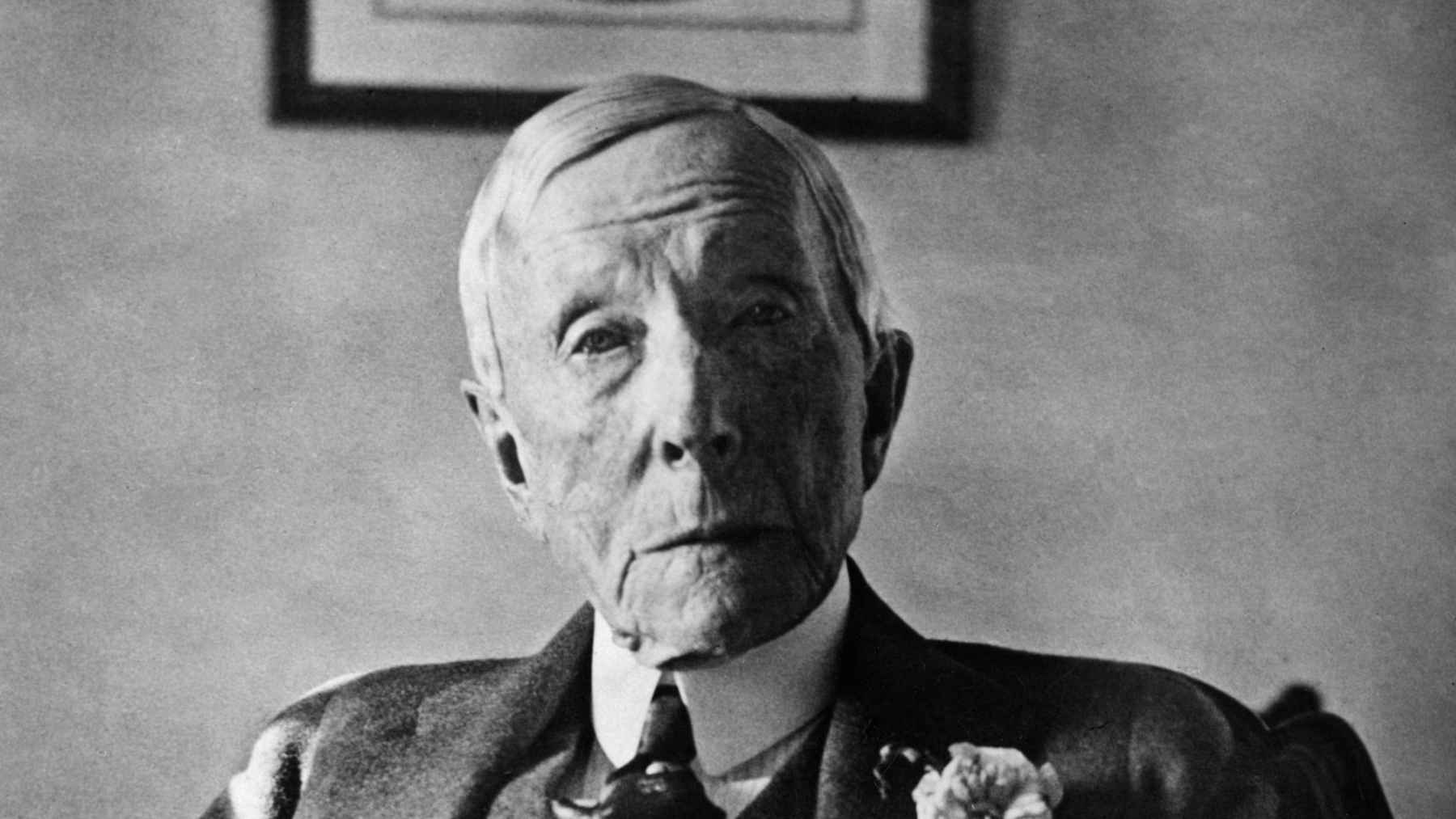
More than a century ago, oil magnate John D. Rockefeller was asked how much money is enough. His answer was short and unforgettable. “Just a little bit more.”
Today that mindset does not only shape personal bank accounts. It also shapes the climate crisis. A recent study in the journal Nature Climate Change finds that the wealthiest ten percent of people are responsible for roughly two thirds of global warming since 1990, once their lifestyles and investments are counted.
In other words, the planetary cost of “a little bit more” is now showing up in heatwaves, droughts and those sticky summer nights when the air barely cools at all. So what would it look like to live by a different rule? Not “more,” but “just enough”.
From oil fortunes to planetary limits
Rockefeller built much of his fortune through Standard Oil Company, a company that dominated the early oil industry and helped lock the world into fossil fuel energy.
The story of that empire feels eerily connected to today. Fossil fuels still power most cars, planes and factories. At the same time, research now shows that a small slice of the global population, mainly high earners in richer countries, is driving most of the warming.
Read More: {{post_title link:post}}
The top ten percent of emitters account for about two thirds of the rise in global temperature since 1990.
That group is not only billionaires in private jets. It includes many professionals in Europe and North America with comfortable salaries, large homes and frequent flights.
Put simply, the climate problem is tightly linked to a culture that keeps asking for “just a little bit more,” even when basic needs are already met.
When “more” stops feeling better
Psychologists and economists have spent years asking a simple question: does more income always make people happier? The answer is more complicated than many expected.
Several studies suggest that life satisfaction rises with income up to a certain threshold, then levels off, and sometimes even declines at very high income levels. People often get a boost when they can finally pay the electric bill without stress or cover an unexpected repair. Beyond that, extra income tends to buy more stuff, but not necessarily more meaning or closer relationships.
Researchers also note that people who focus heavily on social ties and purpose often report higher well being than those who focus mainly on status and wealth, especially at lower and middle incomes.
So the data points toward an uncomfortable truth. For many of us, the chase for “more” is expensive for the planet and surprisingly weak as a strategy for personal happiness.
Lagom, the Swedish word for “just the right amount”
In Sweden there is a word that points to a different path.
That word is “lagom.” There is no perfect English translation, but it roughly means “just the right amount,” not too much and not too little. It is a cultural idea about balance, where comfort and enjoyment matter, yet excess is viewed with some suspicion.
Read More: {{post_title link:post}}
Writers who study Swedish lifestyle describe lagom as a way to meet needs in a peaceful, sustainable way instead of constantly stretching for more. It appears in small everyday choices, such as sharing coffee breaks, taking time outdoors and keeping homes cozy rather than oversized.
Interestingly, countries in the Nordic region, including Sweden, often rank near the top of global sustainability and well being indexes. Lagom is not the only reason, but it fits with policies that encourage energy efficiency, public transport and a strong social safety net.
What Lagom might look like in your life
So what does “just the right amount” mean for someone who cares about both their future and the planet.
It might look like choosing an apartment that is comfortable yet not needlessly huge, so heating or cooling it does not send your energy use through the roof. It might mean accepting a slightly smaller car as long as it is efficient and safe, instead of upgrading to the biggest SUV on the lot.
Lagom can show up in travel plans. Fewer long-haul flights and more local trips by train or bus. Less “revenge travel,” more thoughtful vacations that last longer and require fewer takeoffs.
Read More: {{post_title link:post}}
At home, it could be as simple as buying clothes less often, cooking more plant-based meals and turning down the thermostat a couple of degrees in winter while pulling on a sweater. None of these steps is heroic on its own. Together they start to chip away at the outsized carbon footprint of the richest tenth of humanity.
And there is another benefit. Consuming a bit less can free up money for things that actually deepen well being, such as time off, education, or supporting community projects.
Finding your own “enough”
In the end, Rockefeller’s answer still haunts us. If “just a little bit more” is our only measure, we will never feel we have arrived, and the planet will keep paying the bill.
Lagom invites a different question: what does a rich life look like when you stop counting only dollars and start counting clean air, quieter streets, cooler nights and a future that feels livable for your children?
One simple exercise is to imagine your younger self asking what your life looks like today. Would that younger version already see many dreams fulfilled? Would they really demand another bigger car, another long haul flight, another closet full of clothes?
For most people, the honest answer is that some key pieces are already in place. Recognizing that is not giving up on progress. It is choosing a kind of wealth that the planet can afford and that your future self might actually thank you for.
The study was published on Nature Climate Change.