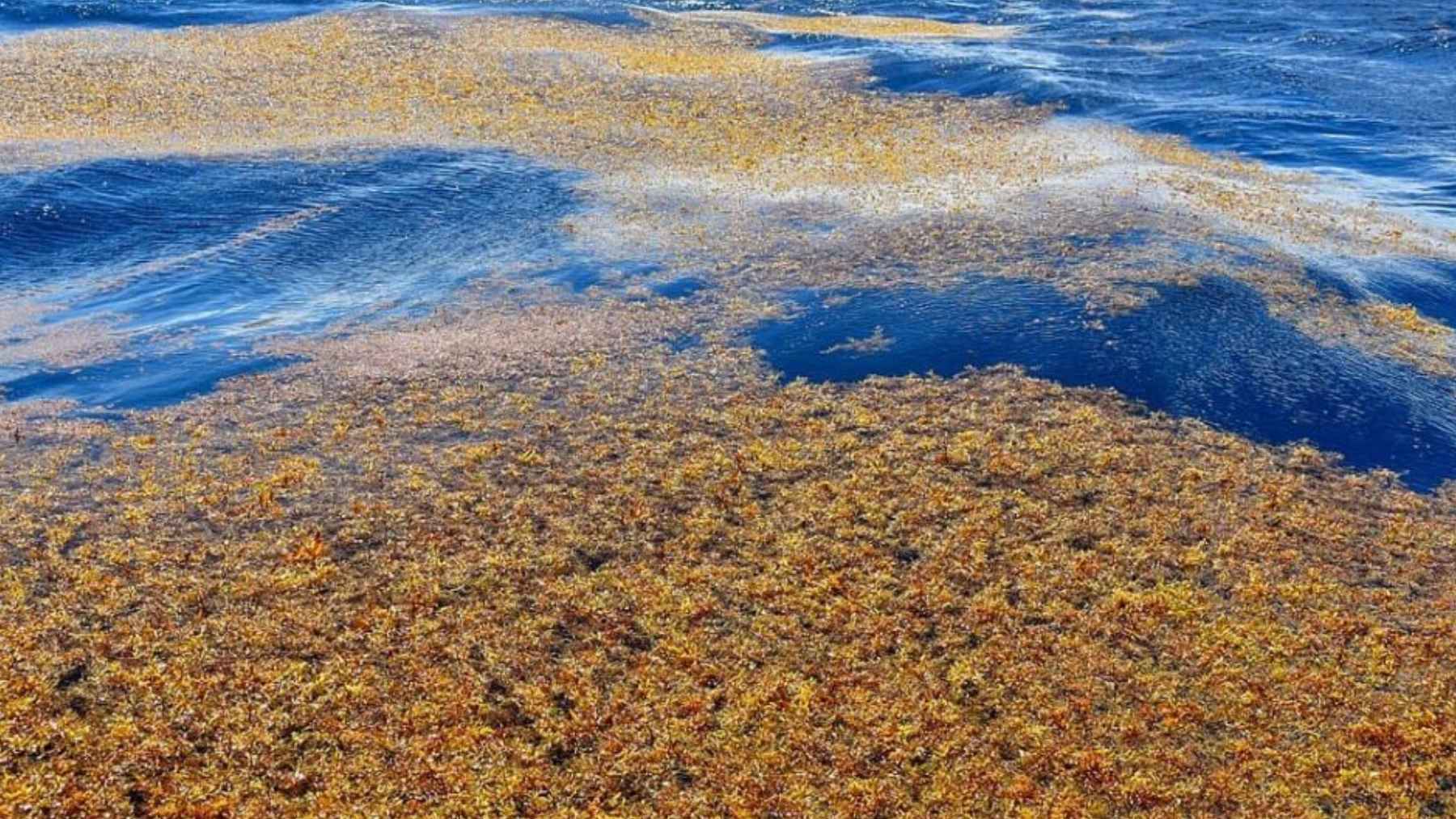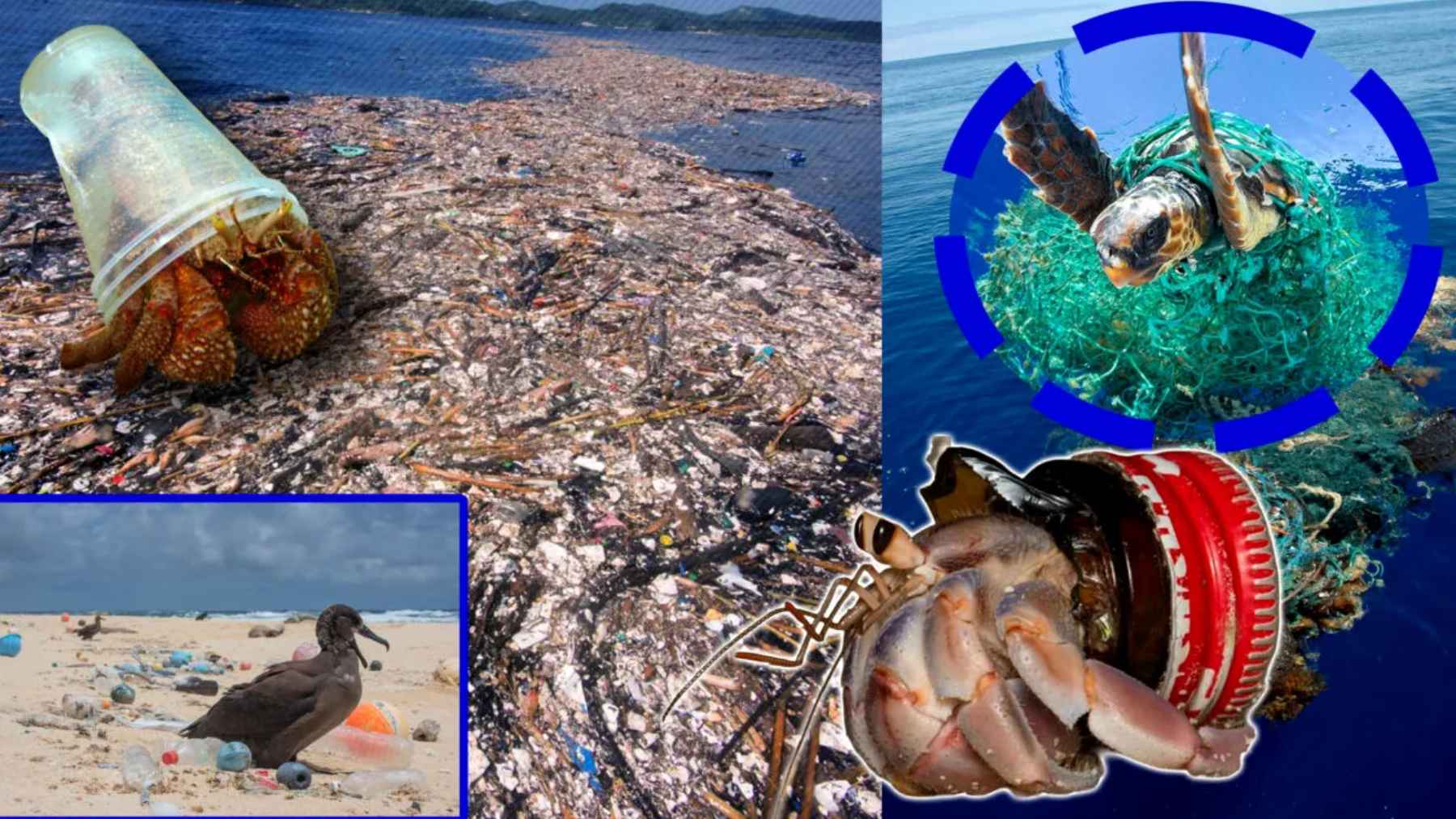
When you picture the open Pacific Ocean, do you imagine endless blue water with nothing in sight except waves. Now scientists are seeing something very different in the heart of the Great Pacific Garbage Patch, where piles of plastic are quietly turning into a kind of floating continent for marine life.
A new study in Nature Ecology and Evolution shows that coastal species are not only hitchhiking on plastic out in the North Pacific Subtropical Gyre, they are surviving there and even reproducing. Researchers examined 105 large pieces of plastic collected in this region between California and Hawaii. On nearly all of them they found thriving communities of invertebrates. In total, they documented 46 different invertebrate taxa, and 37 of those usually live along coasts rather than in the open sea.
For decades, textbooks treated the middle of the ocean as a biological desert for coastal creatures. No rocks, no piers, no stable surfaces to grab onto, very unpredictable food. In theory, anything washed off the shore would drift, starve, or sink sooner or later. Plastic has changed that story.
A plastic gyre that behaves like a shoreline
The North Pacific Subtropical Gyre, which hosts the Garbage Patch, is a huge rotating current system that traps floating debris instead of letting it disperse. That is why this area has some of the highest concentrations of floating plastic in the world.
What many of us imagine as a single solid island of trash is actually a vast, shifting field of fragments. There are buoys, crates, fishing nets, ropes, buckets, bottles, and countless smaller pieces. Some of these objects have been at sea for years. They fade in the sun, crack, and grow paper thin, yet they still float and still provide hard surfaces, crevices, and shaded pockets. Perfect real estate if you are a small creature looking for a home.
The research team, known as FloatEco, worked with the nonprofit The Ocean Cleanup to collect debris samples in 2018 and 2019. Almost every item they checked carried living invertebrates. Coastal species were present on more than 70 percent of the debris and often shared space with open ocean species that normally dominate these waters.
From tide pools to the high seas
Many of the organisms found on the plastic are familiar residents of harbors and rocky shores. Barnacles, sea anemones, hydroids, amphipods, crabs, and bryozoans are all represented, and most appear to come originally from the western Pacific, including the coasts of Japan.
On the plastic, scientists found more than just adult hitchhikers. There were reproductive structures on hydroids and brooding females in several crustacean species, along with multiple size classes of anemones and other invertebrates on the same object. That pattern suggests babies are being produced and settling right back onto these plastic rafts, generation after generation.
Fishing nets and ropes turned out to be especially crowded. Their twisted shapes create tunnels and knots that protect small animals from waves and predators. In the study, rope alone hosted 24 different taxa, and nets showed the highest potential diversity of both coastal and open ocean species.
A new kind of ocean community
To describe this strange mix of coastal and open ocean life, scientists use a new term, the neopelagic community. It is a human made ecosystem that exists only because of long lived plastic floating far from land.
That might sound like nature adapting in a clever way, and to a certain extent it is. At the same time, researchers warn that this new community comes with serious risks. Coastal species that once would have died long before reaching remote islands can now travel for years on these rafts. The study notes that the Hawaiian Islands, which sit downcurrent from the Garbage Patch, may face a higher risk of invasions by foreign species that arrive on plastic instead of on ships.
If those newcomers take hold, they could compete with native corals, algae, and invertebrates on reefs that are already stressed by warming, pollution, and overfishing. In other words, the same plastic items that eventually wash up on beaches are also rewiring who can live where in the ocean before they get there.
What this means for our plastic footprint
It is tempting to hear about a floating continent of life and think the problem has solved itself. It has not. The neopelagic community does not replace natural habitats like rocky shores or kelp forests. It overlays them with an artificial, moving habitat that favors hardy generalist species and helps some of them travel across entire ocean basins.
Studies of the Garbage Patch suggest that a large share of the floating plastic there comes from industrial fishing, including nets and other gear that can survive for decades at sea. Household plastics still play a role, from bottles and crates to boxes that started life as packaging for products shipped across the world. For most people, that connection is invisible when they take out the trash or pay the monthly electric bill.
At the end of the day, this research shows that plastic pollution is not just an eyesore or a threat to sea turtles that swallow bags. It is quietly building new highways and new neighborhoods for coastal life in places where those species were never meant to stay.
The study was published on Nature Ecology and Evolution.