A few dozen metal tubes scattered across Mars may hold our best clues to past life. For now, they are staying right where they are. In a new spending bill, the US Congress has declined to keep funding NASA’s current Mars Sample Return plan, halting the mission architecture that was supposed to bring those tubes back to Earth.
Lawmakers write in the bill’s report that it “does not support the existing Mars Sample Return program” while still providing about $110 million for a new Mars Future Missions line. That money keeps work going on entry, descent and landing systems, radar, spectroscopy and other tools that could support later Mars missions, including any future attempt to collect the cached samples. NASA’s overall budget remains near $24.4 billion, with about $7.25 billion for science, so space research continues, but the single most ambitious robotic mission has been put on ice.
A flagship mission on pause
Mars Sample Return was always bold and expensive. Independent reviews warned that the price could reach $8 to $11 billion, with the most recent NASA estimate pushing costs close to $11 billion and sample arrival no earlier than 2040. To succeed, NASA and the European Space Agency would have needed to land near the Perseverance rover, pick up more than 30 cached tubes, launch them off Mars, then catch the container in orbit before sending it back toward Earth.
NASA spent much of 2024 asking industry for simpler designs that leaned on proven hardware instead of brand new systems. At the end of the day, though, Congress chose not to back even a revamped campaign right now, keeping engineers on key technologies while closing the door, for the moment, on a full-scale sample return.
The rocks that changed the conversation
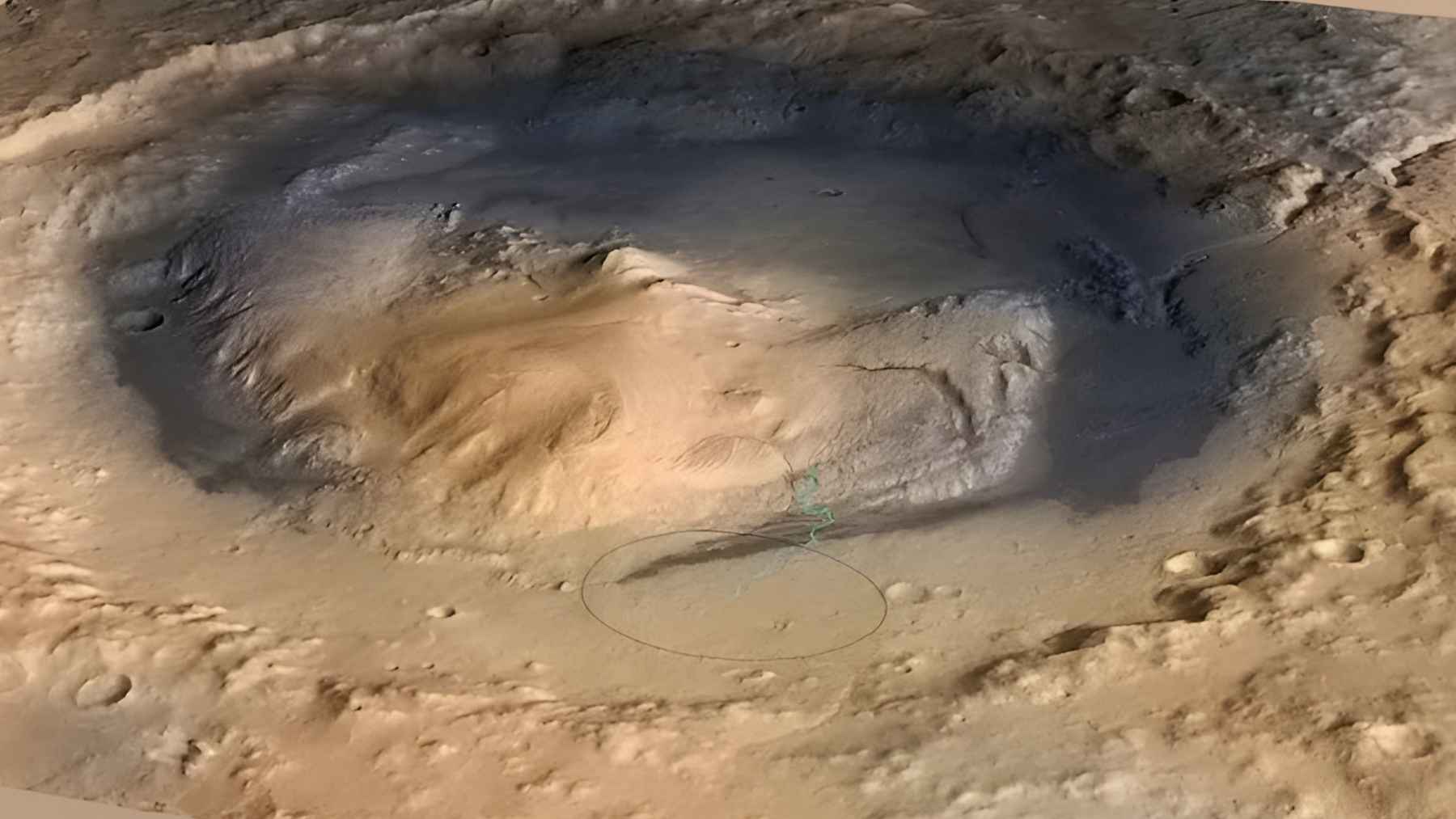
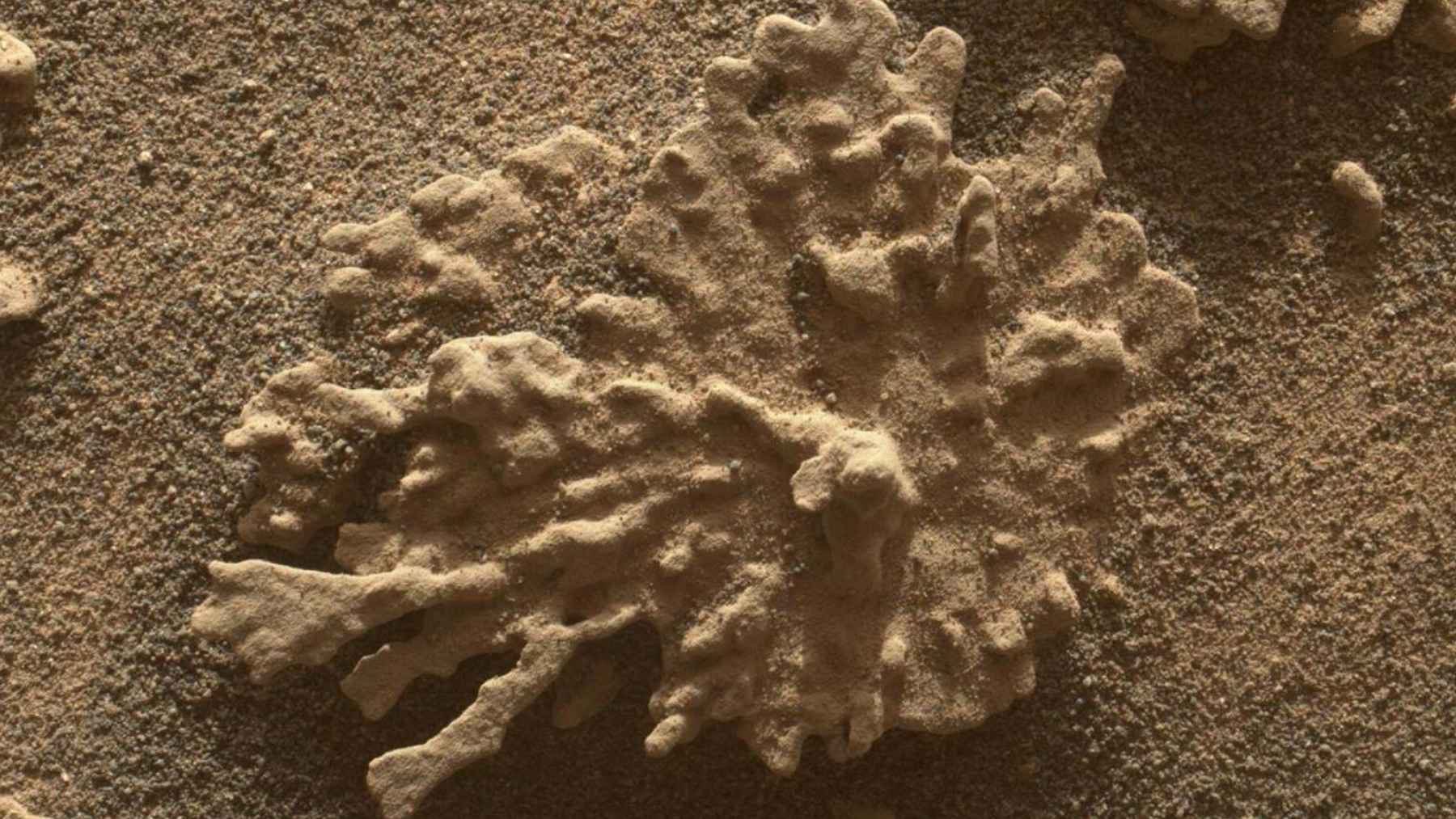
Why does this decision sting so much for planetary scientists? Because Perseverance has already drilled into rocks that may preserve the clearest hints yet of ancient Martian microbes. In Jezero Crater, the rover has found speckled mudstones and mineral nodules rich in minerals such as vivianite and greigite that, on Earth, often form where microbes interact with mud and flowing water.
One core from this region, nicknamed Cheyava Falls, contains organic matter and mineral patterns that NASA researchers describe as possibly “the clearest sign of life that we have ever found on Mars,” while stressing that non-biological explanations are still possible. Sorting out what really happened will require delicate measurements and strict contamination controls that only full-scale Earth laboratories can provide. That need is exactly why recent National Academies Decadal Surveys named Mars Sample Return the highest flagship priority for robotic planetary exploration.
China steps into the spotlight
If the United States steps back, who will try to bring Mars rocks home first? All eyes now turn to China. The Tianwen 3 mission is planned for launch around 2028 and aims to collect at least 500 grams of Martian material, with a return to Earth targeted for about 2031.
Tianwen 3 is expected to touch down in a comparatively simple, easy-to-reach region rather than the carefully chosen river delta that Perseverance is exploring, which lowers risk but may offer fewer chances for clear biosignatures. If it succeeds, China will likely deliver Mars samples almost a decade before any new US effort, a symbolic shift that several experts compare to a renewed space race.
Why this matters for life and climate
Most of us will never leave Earth. We will stay here juggling electric bills, traffic jams and that sticky summer heat we all know. Yet the story locked away in those Martian rocks speaks directly to our own planet. The samples could show how long water truly lasted on Mars, how quickly the climate shifted and whether simple life ever gained a foothold there.
That kind of record feeds into our understanding of planetary habitability, including the way atmospheres erode, how greenhouse gases rise and fall and how fragile long-term climate stability can be. Scientists also see Mars Sample Return as a dress rehearsal for safer human exploration, since landing heavy hardware, launching a rocket from another world and containing alien material without contaminating either planet are all skills that matter if people are ever going to walk on the Red Planet and come home healthy.
What happens next
For now, the sample tubes that Perseverance has cached in Jezero stay put, coated in Martian dust and waiting for a ride that does not yet exist. NASA will keep refining landing, radar and entry technologies under the Mars Future Missions budget line, and advocacy groups hope that a leaner, more affordable sample return plan can eventually grow out of that work.
In practical terms, that means the most promising rocks for answering the life on Mars question are stuck in limbo while budgets and politics catch up. Whether they end up in a laboratory in Houston, Beijing or somewhere else entirely is suddenly an open question.
The official statement was published by the US House of Representatives.