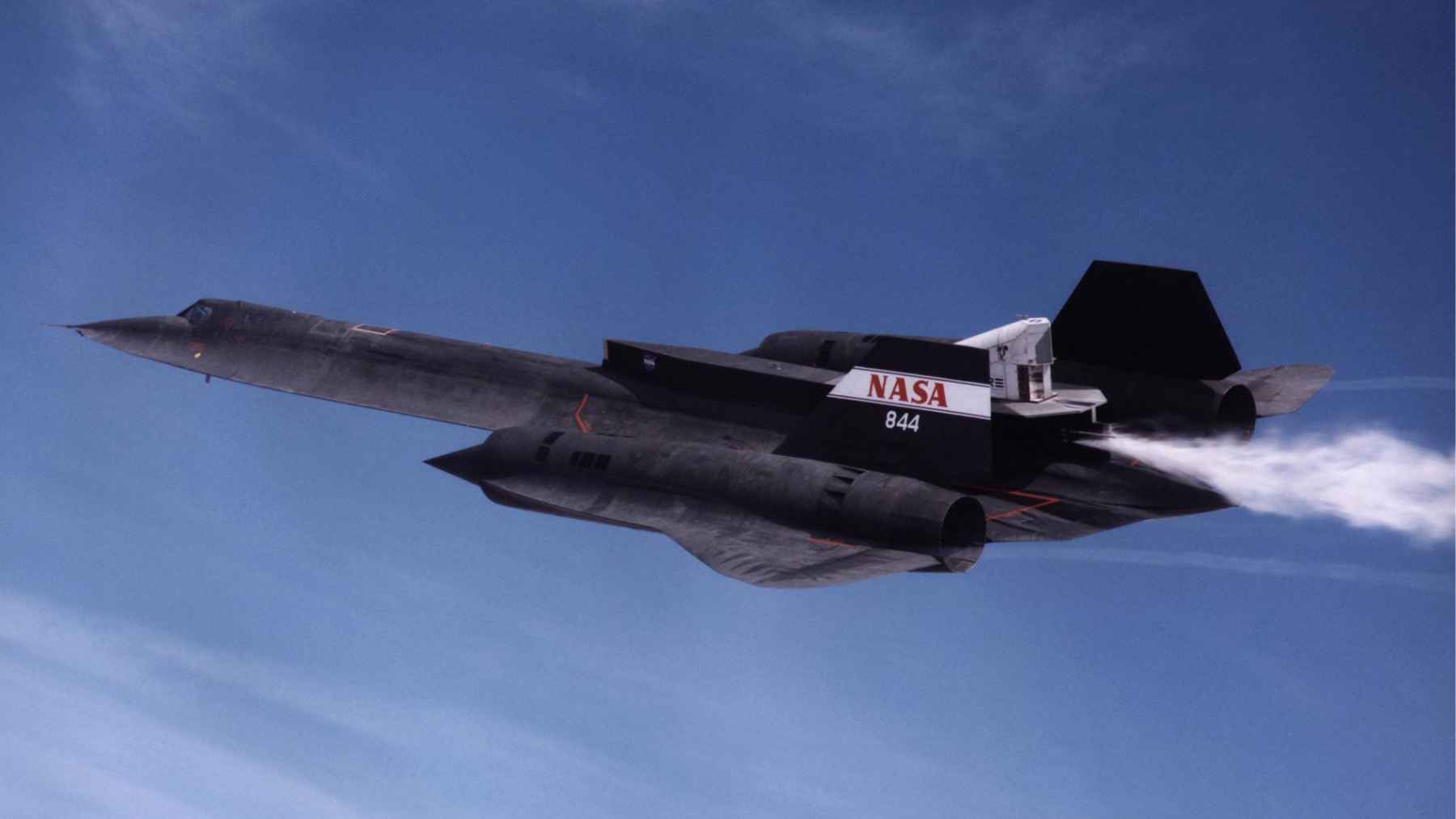
Can an airplane really land before it takes off? For pilots of the SR-71 Blackbird, that odd idea was part of real life, not science fiction. One mission from Japan to California made the spy plane look like it had “traveled in time.”
The story, recently retold by former pilot David Peters, shows how extreme speed and time zones can bend our everyday sense of time. It also points back to a Cold War icon that could cruise above 85,000 feet at more than three times the speed of sound and still shapes debates about military intelligence today.
How a flight from Okinawa looked like time travel
While stationed at Kadena Air Base in Okinawa, Peters prepared for what looked like a routine transfer to the United States. He and his crew grabbed drinks on a Friday evening, then reported early the next morning for a transpacific SR-71 flight that would hop between tanker aircraft before sprinting toward Beale Air Force Base in California.
They took off on Saturday morning in Asia and arrived on Friday afternoon in America. The strange timing came from a mix of high speed and the International Date Line, the boundary over the Pacific where the calendar flips, a stronger version of those long-haul flights where travelers land “earlier” than they left.
A spy plane built to live at Mach 3
The SR-71 was created by Lockheed Martin’s Skunk Works division as a long-range spy plane that could outrun threats instead of hiding from them. Fact sheets describe it as cruising at Mach 3.2, more than 2,200 miles per hour, at altitudes up to 85,000 feet where it was never shot down because missiles struggled to catch a target moving that fast and that high.
Flying that fast created heat, with the nose and wing edges expected to reach around one thousand degrees Fahrenheit, so the airframe relied on titanium alloys that were strong and able to survive repeated baking.
Working with titanium created headaches, because the alloy could crack if workers used the wrong tools, so Lockheed designed new tools, retrained machinists, and even bought much of the raw metal from the Soviet Union through front companies, an irony for a plane built to watch that rival.
Why the Blackbird retired and why speed still matters
Despite its record setting performance, the SR-71 became a budget target in the late Cold War, because it was expensive to operate and maintain. Each mission relied on film-based cameras that had to be recovered and processed before analysts saw the images, while newer satellites and drones promised coverage with digital sensors that could beam data home quickly, even if they could not always be moved where commanders needed them in a crisis.
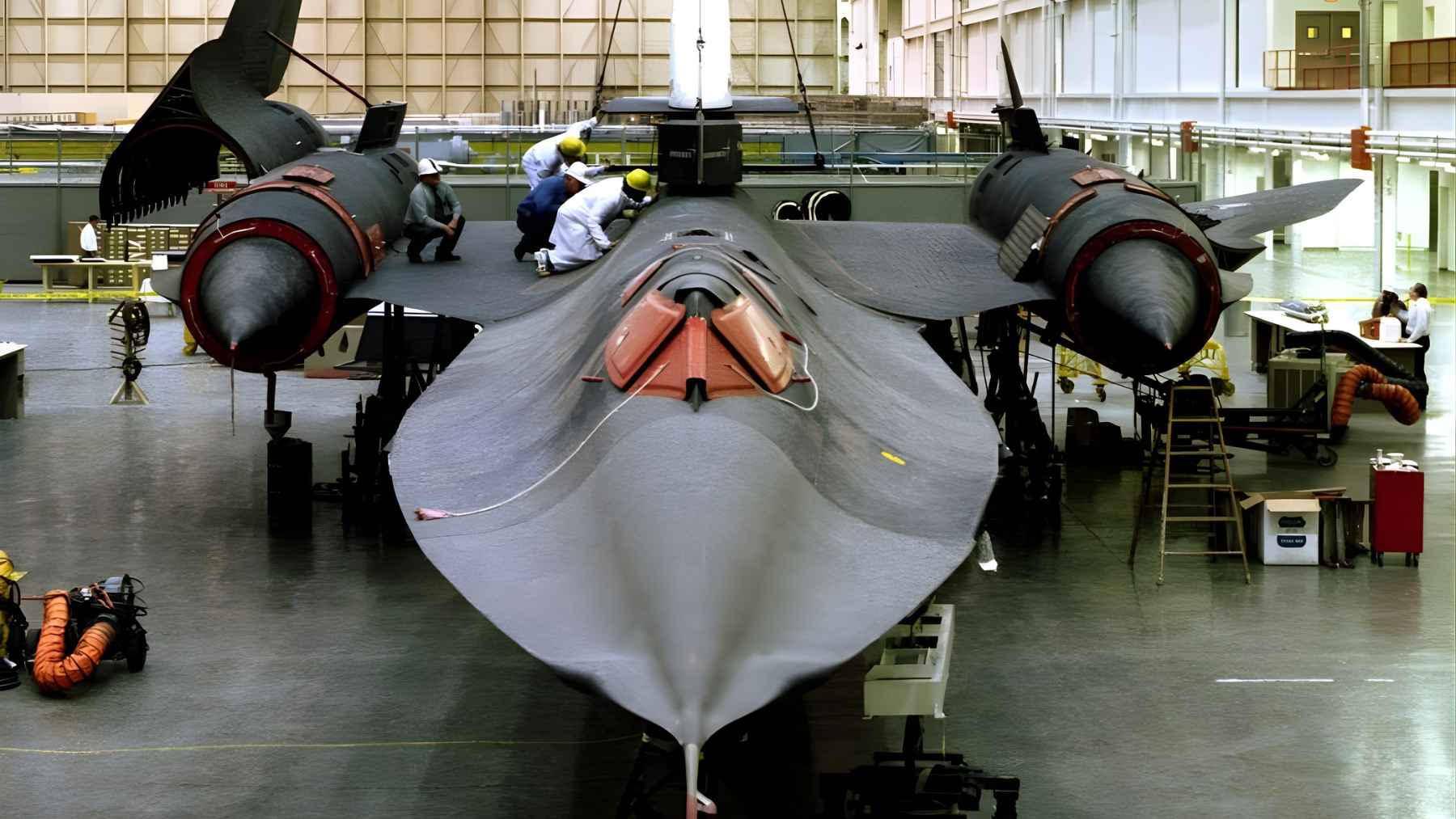
The United States Air Force first retired the SR-71 in 1990, briefly brought it back, and then retired it again at the end of the decade while a handful of airframes flew on into 1999 for research, and supporters in United States Congress warned that satellites alone left an intelligence gap in fast-moving crises.
That is where the proposed SR-72, sometimes called the “Son of Blackbird”, enters the conversation, a hypersonic concept that would fly at speeds above Mach 5, rely on automation, and in theory perform long-range spy missions or even carry weapons without a pilot on board, although it remains a design study rather than an operational aircraft.
The main official background on the SR-71 Blackbird has been published by NASA.