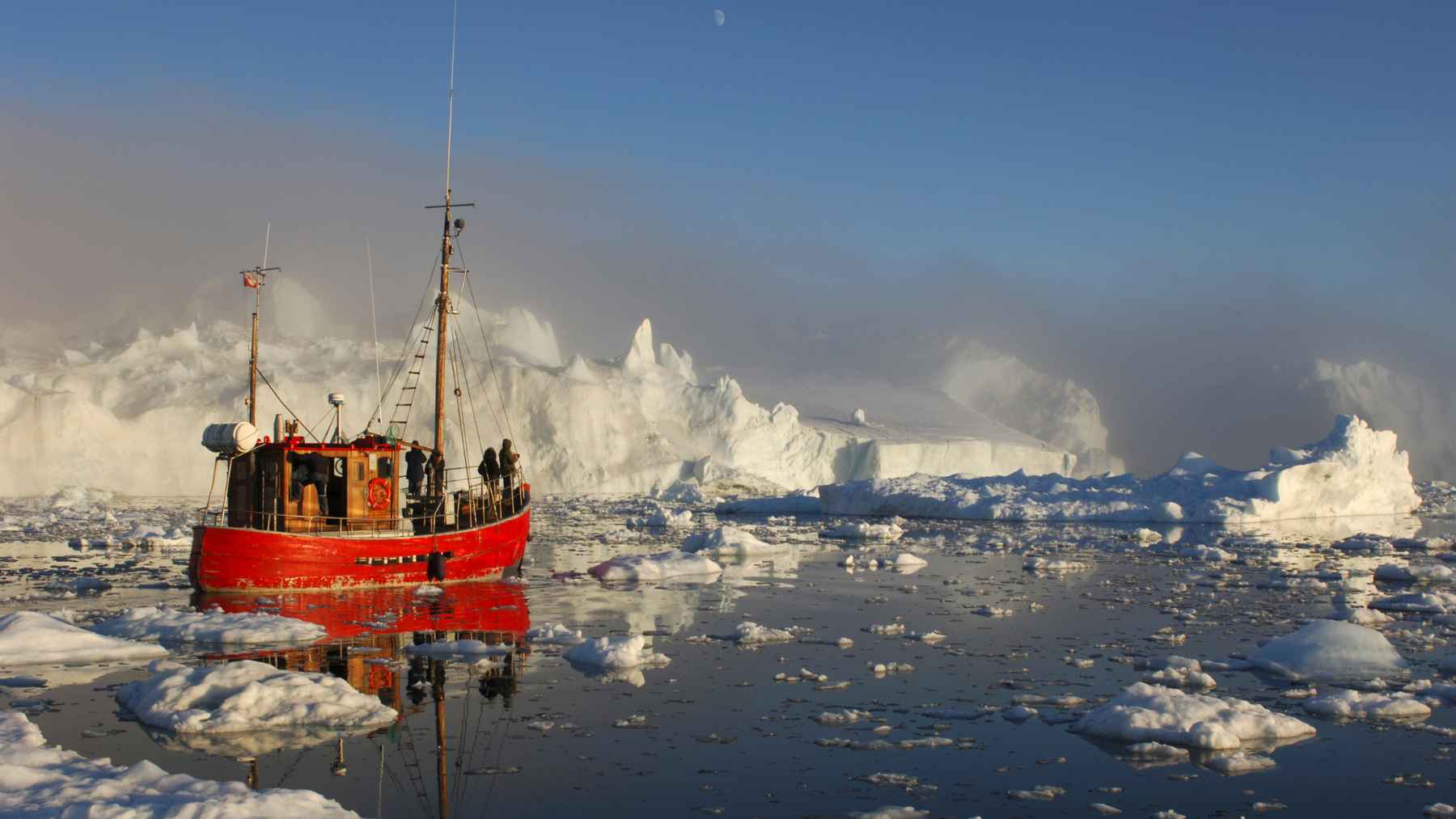
How can a warming planet push ocean levels higher almost everywhere while making the sea fall around Greenland? A study published on January 20, 2026, says that is exactly what may happen, with waters along the island’s coast projected to drop by about 3 feet in a low-emissions future and about 8 feet in a high-emissions one by 2100. That is the opposite of what most coastlines are bracing for this century.
At first glance, it sounds backward. But Greenland is losing roughly 200 billion tons of ice each year, and that loss lifts the land while also weakening the ice sheet’s ability to pull nearby seawater toward the coast.
Researchers say the same process could reshape harbors, fishing grounds, and coastal planning across the island. Strange, but real.
Why melting ice can make the local sea fall
The key process is called glacial isostatic adjustment. In plain English, land that has been pressed down for thousands of years by a vast ice sheet starts to rise once some of that weight disappears, and nearby sea-level changes with it. It is Earth slowly readjusting after carrying a huge frozen load.
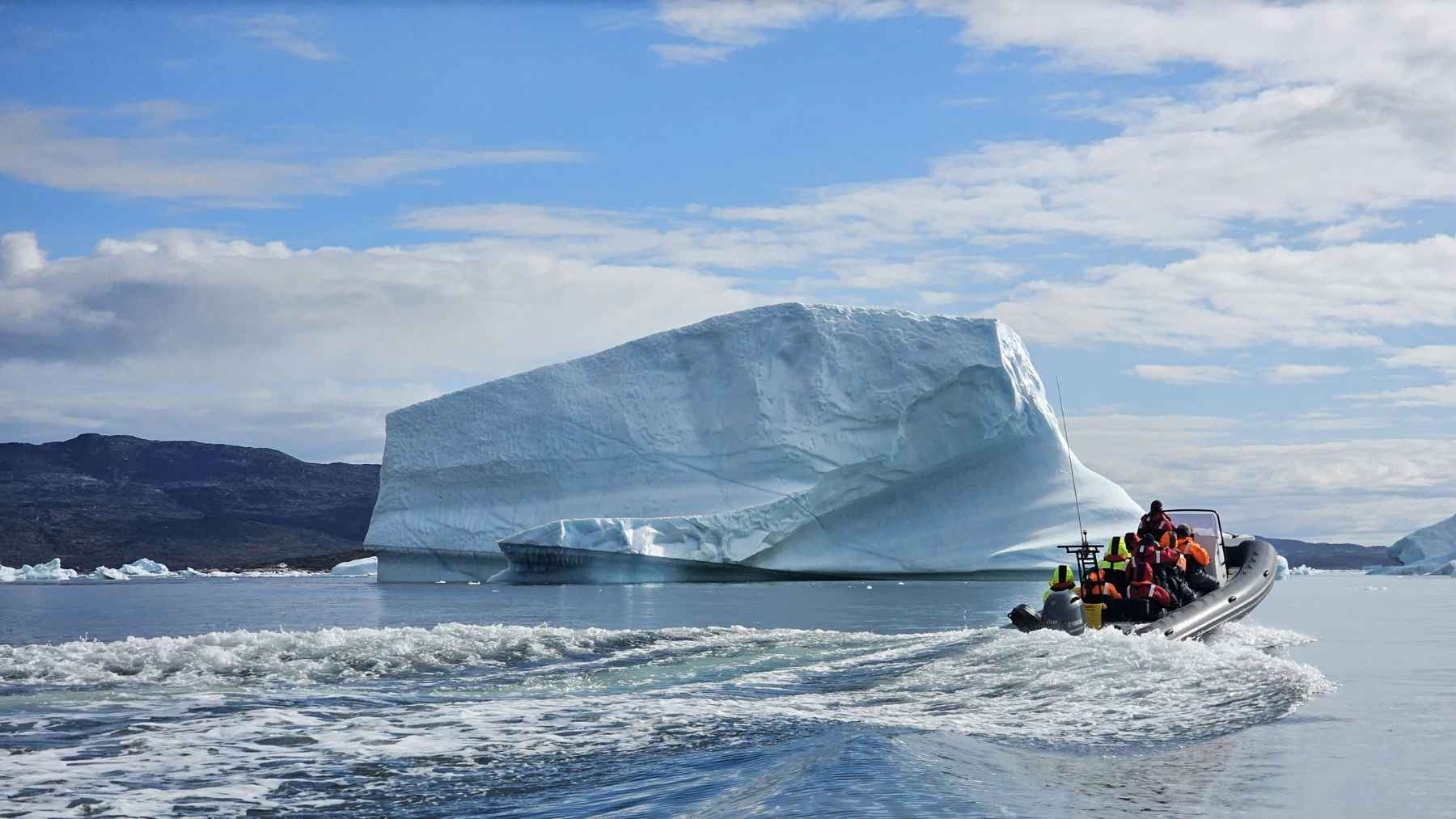
There is a second part to the story, and it matters a lot. Huge ice sheets pull ocean water toward them through gravity, so when Greenland loses mass, some nearby water shifts away instead of staying piled up along the shore. Researchers estimate that this effect could account for up to about 30 percent of the future drop.
What the researchers did and what they found
Lead author Lauren Lewright of Columbia University’s Lamont-Doherty Earth Observatory and her team did not rely on computer models alone. They combined a glacial rebound model with records of sea level and land movement, including more than two decades of data from 57 permanent GPS-style stations around coastal Greenland. That gave them a way to test the model against real measurements.
Their central estimate points to a local sea-level fall of about 3 feet by 2100 compared with 2017 in a low-emissions future, and about 8 feet in a high-emissions one. That also fits with earlier research published in 2024, which found unusually fast uplift in southeast Greenland and suggested the ground below the island may respond faster than many older models assumed. In practical terms, the coastline may keep changing as the ground continues to adjust.
Why this matters for Greenland’s coast
For coastal communities, lower water does not automatically mean easier living. Harbors, docks, and boat routes were built for today’s depths, and the study warns that shallower channels could raise navigation risks and make some port infrastructure harder to use. As Jacqueline Austermann put it, the effects may be “very different than pretty much anywhere else in the world.”
There may be one possible upside for some glaciers that empty straight into the ocean. If sea level at their edges drops enough, some could become more stable and slow their retreat, though researchers say it is still unclear whether the projected fall will be large enough to make that happen.
That matters because ocean-ending glaciers have driven a large share of Greenland’s contribution to global sea-level rise in recent decades.
The main study has been published in Nature Communications.