NASA’s space agency published a dire notice regarding a disturbing unanticipated sea level elevation observed during 2024. Ocean heat and glacial melting drive significant worldwide effects on coastal populations. This detailed analysis examines the discovered data and their probable effects.
Global sea levels achieved a new maximum increase rate because oceans have heated up and glaciers have melted rapidly.
In 2024, the global sea levels reached record heights by rising to 0.59 centimetres per year, above the initial projection of 0.43 centimetres per year. Ocean water expansion caused by heat absorption increases sea levels since ocean heat increases water volume. NASA scientists identified these data as the largest record of rising sea levels over three decades.
Sea level researcher Josh Willis from NASA Jet Propulsion Laboratoř explained the dangerous situation when he noted, “Each year shows changes, but the ocean continues to rise rapidly at an accelerated rate.” The Earth reached its warmest temperature in history in 2024, which directly caused a rapid increase in sea level.
The scientific cause of this effect depends on the combination of ocean temperature rise with glacier melting.
Thermal expansion was the main factor behind the rapid sea level surge in 2024 and contributed to approximately two-thirds of the total rise. The process of ocean water heating causes expansion, which dramatically enhances sea level elevation. The increase of meltwater from glaciers and ice sheets, together with this phenomenon, contributed most strongly to rising sea levels.
Nadya Vinogradova Shiffer from NASA’s physical oceanography programs explained that the record-breaking 2024 heat swelled Earth’s oceans to their highest levels in thirty years. The upward temperature trends demand immediate action to protect our oceans from global warming effects.
A major concern exists for communities along the coastlines since experts seek to identify which regions will suffer most adversely.
The quick acceleration of sea level increase creates serious dangers for populations living within coastal zones worldwide. The most severe exposure to sea level rise occurs in India, Bangladesh, China, and the Netherlands and tropical areas across the Pacific and Indian Oceans. The United Nations issued dire warnings about enormous flood waters that threaten to displace millions of people from these areas.
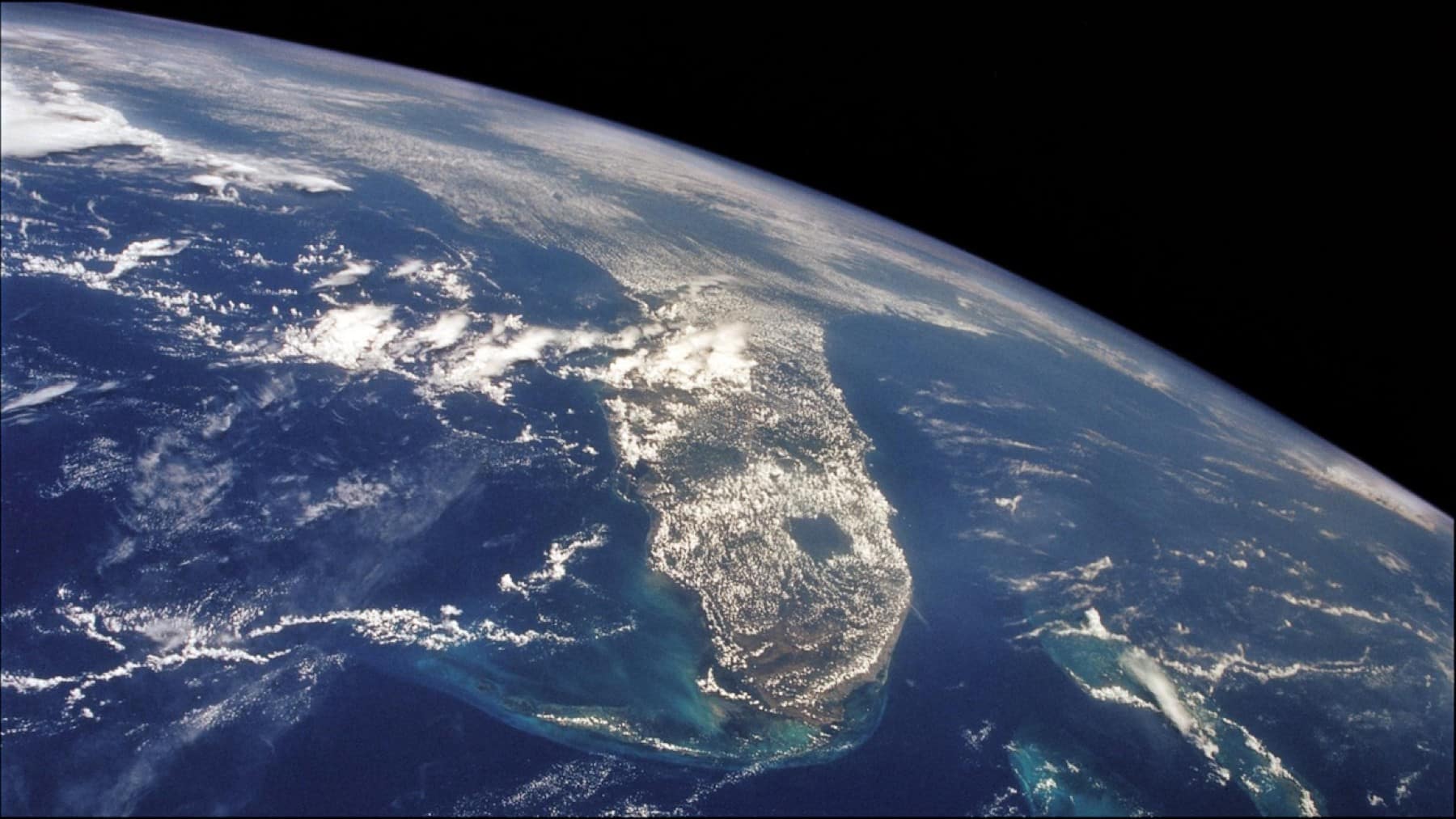
Coastal Florida areas currently face intensified high-tide flooding because of rising sea levels throughout the United States. Global sea levels have risen by 10 centimetres (4 inches) since 1993, according to the long-term satellite record of ocean levels, which started in 1993. The projection indicates this pattern will worsen and could seriously damage coastal systems.
The analysis from NASA confirms that we need immediate action to stop climate change from having further destructive effects. Basic solutions to stop global warming and rising seas include reducing emissions through renewable power and creating protected zones in threatened coastal locations.
The present situation demands immediate attention since we need to manage this emergency.
Sentinel-6 Michael Freilich has continued collecting data for scientists by measuring sea surface heights since 2020, allowing them to better forecast ocean-level changes. The forthcoming Sentinel-6B satellite, alongside its twin, will improve ocean research while aiding researchers in establishing superior adaptation methods for sea level challenges.
The fast and surprising increase in sea level during 2024 demonstrates the immediate necessity of dealing with climate change. NASA data shows that the rise in ocean temperatures and glacier melting is causing unprecedented sea level changes that threaten the existence of worldwide coastal populations. The Earth faces imminent danger from these effects, which threaten its stability in the future, so immediate action is necessary.
The existing rise in sea level suggests scientists predict a complete transformation of global coastlines, where some parts might rise as high as 30 centimetres (12 inches) by 2050. Governments and policymakers must focus on building resilient infrastructure along with strong environmental regulations as climate adaptation stands as their main concern in defending vulnerable populations from severe consequences.