Yam is a starchy tuber that shows up in Caribbean stews, West African fufu, and, more and more, U.S. grocery stores. It is also popping up in scientific papers for a simple reason. Researchers keep finding compounds in yam that may affect how the body handles sugar and how the brain protects and rebuilds its connections.
The headline claim is not that yam is a “superfood.” It is that early research, including a small human trial, suggests certain yam extracts may slightly improve some measures of thinking and memory, while other studies point to better blood sugar control in specific settings. So what is real, what is still a “maybe,” and what should you ignore?
A humble tuber with a lot of confusion around it
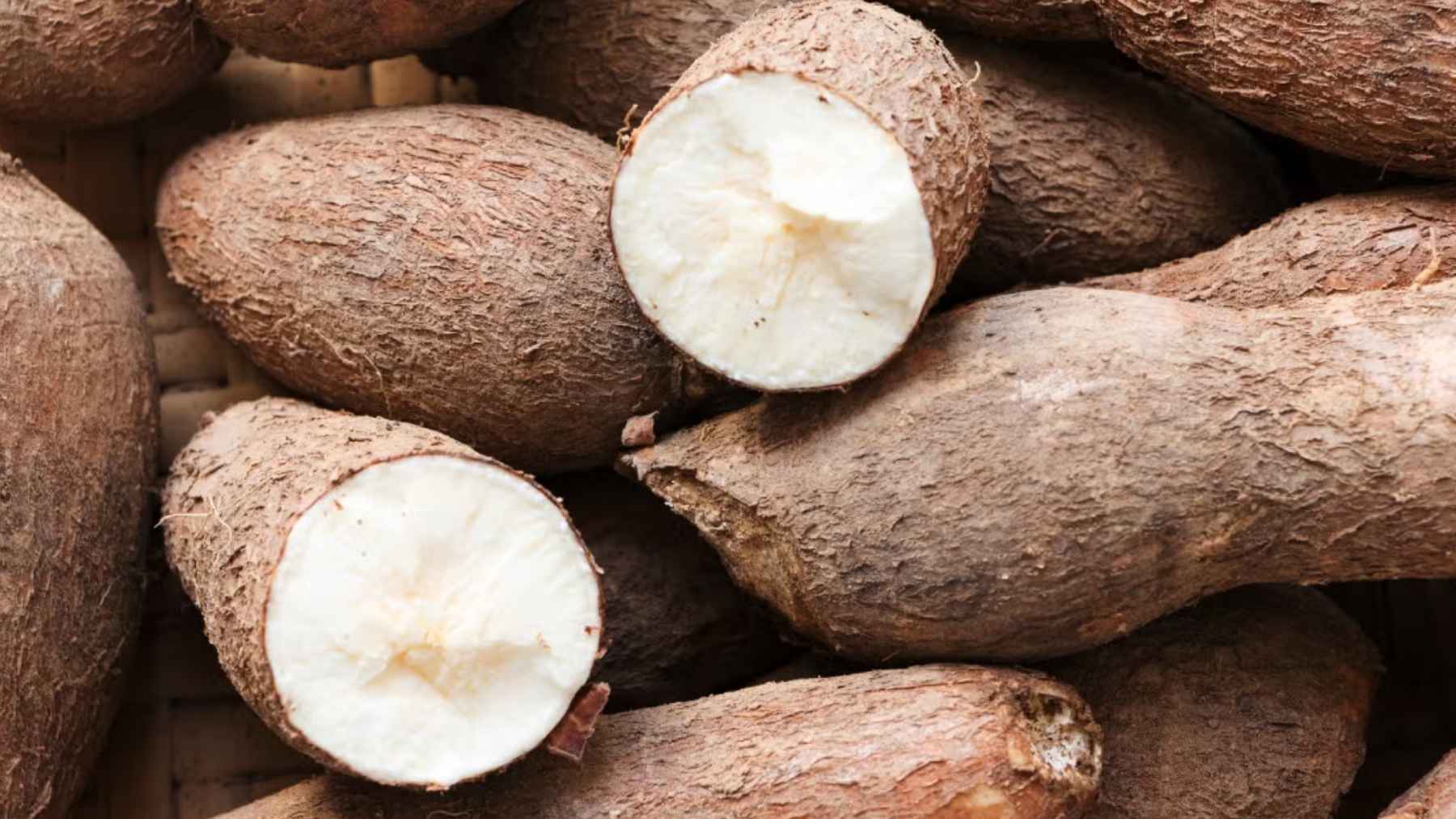
In the United States, the word “yam” is often used for orange-fleshed sweet potatoes, which are a different plant. True yams come from the Dioscorea group, and they tend to have rougher skin and starchier flesh than most sweet potatoes.
Yams are grown and eaten across Africa, parts of South America, the Caribbean, and the Pacific Islands. In Spain, consumption is especially tied to the Canary Islands, where it is part of traditional cooking.
Why the sudden attention now? A big part of it comes down to everyday problems people recognize, like blood sugar spikes and age-related memory slips. Scientists are asking whether a food that is already a staple for millions can also offer measurable health benefits.
What the nutrition numbers show in plain English
Start with the basics. According to the U.S. Department of Agriculture’s FoodData Central, a 3.5 ounce serving of raw yam has 118 calories, about 28 grams of carbohydrates, 4.1 grams of fiber, and 1.5 grams of protein.
That fiber matters because it slows digestion and can help you feel full longer. It also helps explain why yam often feels “steady” as a side dish, rather than causing a quick energy rush followed by a crash.
The same USDA entry lists yam as especially high in potassium, at 816 milligrams per 3.5 ounces, plus vitamin C and vitamin B6. Potassium is tied to blood pressure control, and vitamin C supports immune function, which is why yam can be more than just “cheap carbs” on the plate.
Diosgenin and the brain connection
The compound getting the most buzz is diosgenin, a plant chemical found in some yams. In simple terms, it is a natural substance that researchers suspect can influence how nerve cells grow and communicate.
In 2017, Chihiro Tohda at the University of Toyama led a placebo-controlled trial that tested a diosgenin-rich yam extract in healthy adults. The study, analyzed results from 28 participants and reported that the extract appeared to safely improve performance on standardized cognitive tests after weeks of use.
That sounds exciting, but there is an obvious question. Does a small trial in healthy adults prove that eating yam will protect your brain long term? Not yet, and the researchers themselves point to the need for more work.
Blood sugar, fiber, and “resistant starch”
Yam is rich in complex carbohydrates, but not all carbs act the same in the body. Two ideas matter here. Glycemic index is a way of describing how fast a food raises blood sugar, and resistant starch is a type of starch that resists digestion and behaves more like fiber.
A systematic review in the British Journal of Nutrition looked at whether yam or yam extracts could help control blood sugar. The overall message was cautious but interesting, with evidence suggesting potential benefits in some studies, though results varied widely by yam type, preparation, and study design.
In practical terms, preparation matters a lot. Boiled or steamed yam is not the same as deep-fried yam, especially once you add sugary sauces or heavy toppings. Anyone who has felt that sticky, sleepy after-lunch slump knows why scientists care about this.
Antioxidants and what they can and cannot prove
Yams also contain antioxidants, which are compounds that can help protect cells from damage linked to inflammation. You will often hear this discussed in the context of heart disease risk and cancer risk, but it is important to keep the logic straight. Antioxidant activity in a lab does not automatically mean disease prevention in real life.
Still, some research is pushing into more specific territory. The University of the West Indies reported findings from doctoral research by Dennis Bailey on Jamaican varieties of purple yam, including Dioscorea alata types, with lab results suggesting extracts affected cancer cell growth. Bailey said, “The extract effect on the cell was concentration dependent.” The press release is available through the University of the West Indies Mona campus, and it is best read as early-stage research, not a treatment claim.
There are also animal studies hinting at metabolic effects beyond blood sugar. In 2014, a rat study led by Marsha-Lyn McKoy tested Jamaican bitter yam and diosgenin in animals fed a high-cholesterol diet and reported improvements in cholesterol-related measures. The study details are summarized on PubMed, and the key limitation is clear: rats are not people.
Menopause claims and the reality check
Yam is sometimes marketed for menopause, usually because diosgenin is often discussed alongside hormones. Here is what researchers have actually tested. In 2005, a clinical study in postmenopausal women looked at the estrogen-related effects of dietary yam intake, tracking hormones such as estrone and estradiol. The study record can be found on PubMed.
What does that mean for someone dealing with hot flashes or sleep disruption? It suggests there may be measurable hormone-related effects in some contexts, but it does not mean yam replaces standard medical care, and it does not prove the same result for every supplement on the shelf.
One more safety point is worth saying out loud. Some yams can be bitter and may need proper processing, and “wild yam” supplements are not the same thing as eating the tuber. Food is food, and concentrated extracts can behave differently in the body.
How people cook yam and the varieties you might see
There is no single “yam.” Common types include white and yellow yams widely grown in West Africa, water yam varieties like Dioscorea alata that can be purple in some cultivars, and Chinese yam that is used in traditional cooking and medicine in parts of Asia.
In the kitchen, yam is usually boiled, steamed, roasted, or added to soups and stews. It also shows up as flour or starch, which can act as a thickener and is often used in gluten-free cooking.
Chips made from yam exist, but they are still processed snack foods, and that changes the health picture quickly. At the end of the day, yam is a starchy vegetable that can fit into a balanced diet, especially when it is prepared simply.
The main study has been published in Nutrients.