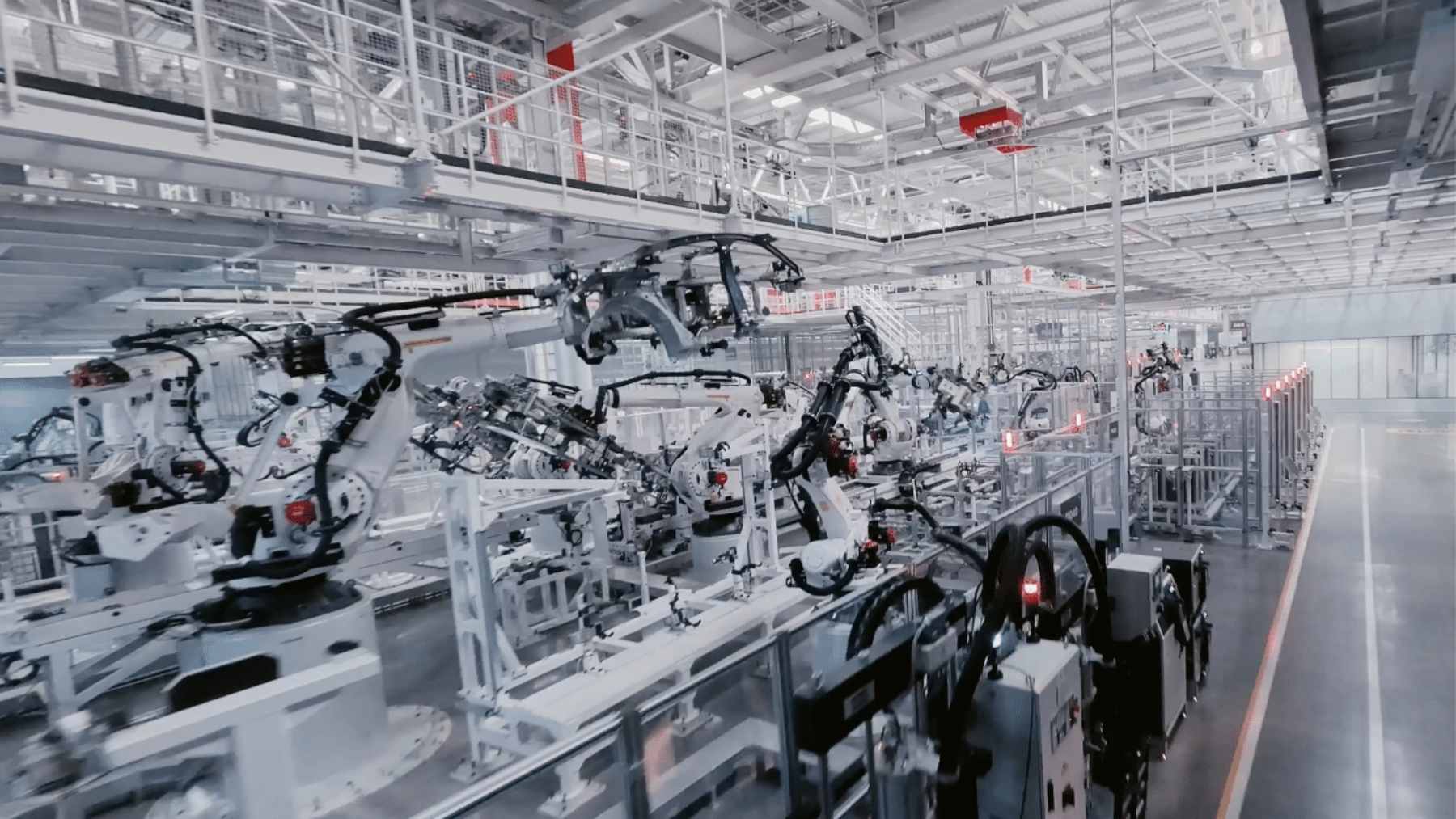
The future of electronics manufacturing is starting to look strangely quiet. Xiaomi says its next-generation Smart Factory, launched in July 2024, can produce10 million flagship smartphones a year, using96.85 self-developed equipment and 100% self-developed manufacturing software.
It is the kind of industrial scene that sounds lifted from science fiction.
On paper, that is a spectacular leap in speed and control. But for anyone thinking about the environment, the bigger issue is not whether a factory can run with barely any human intervention.
It is whether faster phone production can cut waste, lower emissions, and slow the growing pile of discarded electronics once mining, power use, repair, and disposal are all counted.
What Xiaomi’s factory gets right
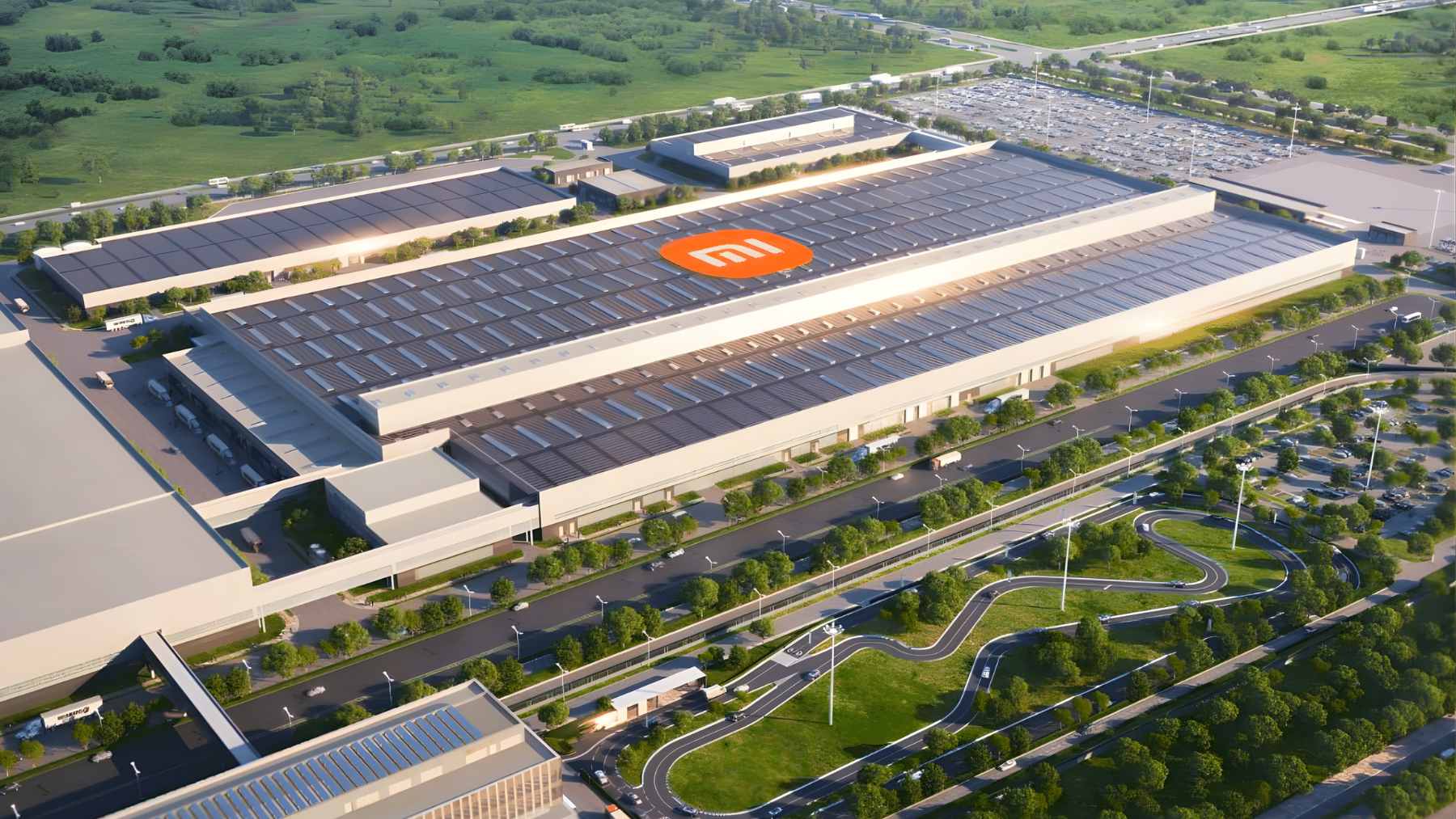
Xiaomi’s own sustainability materials say the Smart Factory and EV Factory use industrial internet and AI technologies to pursue “efficient, green, and sustainable operations.”
The company also said the Smart Factory achieved a 99.35% waste diversion rate in 2024 and received a three-star “Zero Waste to Landfill” certification from TÜV Rheinland. Those are serious signals that the company wants the factory to be seen as more than just a speed machine.
That is not a minor detail. In practical terms, tighter control over assembly, inspection, and line balancing can reduce mistakes, scrap, and rework, which means fewer wasted parts and fewer resources burned on do-overs. In any factory, every rejected board or failed test sends material, time, and energy back through the system.
Xiaomi is also riding a bigger wave. According to the International Federation of Robotics, China represented 54% of global industrial robot deployments in 2024, and the country’s operational robot stock passed 2 million units.
So this factory is not a one-off curiosity but part of China’s wider shift toward high automation and smarter industrial systems, and that shift is accelerating.
The speed claim needs a reality check
Still, the speed headline needs a reality check. Xiaomi’s official filings emphasize annual capacity of 10 million flagship smartphones, which works out to about one device every 3.15 seconds if production were spread evenly across the entire year.
That is still remarkably fast, but it is not the same as a steady average of one phone every second.
Why does that matter? Because flashy automation numbers can blur the more important environmental math. A factory may run in the dark for 24 hours, as Xiaomi describes in its green finance materials, but the lights being off does not mean the electric bill disappears, because robots, sensors, testing gear, servers, and climate control still need power.
In other words, faster does not automatically mean greener. To a large extent, the environmental value of a smart factory depends on what it cuts besides labor, especially defects, discarded material, and the churn of short-lived devices. And that is where the green promise becomes harder to judge.
The bigger environmental story starts after the sale
And this is where the global picture gets uncomfortable. The UN’s Global E-waste Monitor says the world generated 62 million metric tons of e-waste in 2022 and is on track for 82 million metric tons by 2030, while only 22.3% was formally collected and recycled.
The report says that 2022 total would fill 1.55 million 40-ton trucks, enough to form a line around the equator.
Phones are right in the middle of that problem. The report says small IT and telecommunication equipment, a category that includes mobile phones and laptops, reached 4.6 million metric tons in 2022, with only 22% documented as collected and recycled.
It also warns that shorter product life cycles, limited repair options, and design shortcomings are widening the gap, while no more than 1% of rare earth demand is being met by e-waste recycling.
Xiaomi does have circular goals that matter. The company says it plans to recycle 38,000 metric tons of electronic waste between 2022 and 2026, and by the end of 2024 it had already achieved 95.94% of that target, while also increasing the use of recycled aluminum, gold, and copper in all smartphones as part of its broader sustainability push.
At the end of the day, the real test is whether a lights-out factory can pair speed with longer-lasting phones, better take-back systems, and less waste in the drawer at home.
The official statement was published by Xiaomi Global.