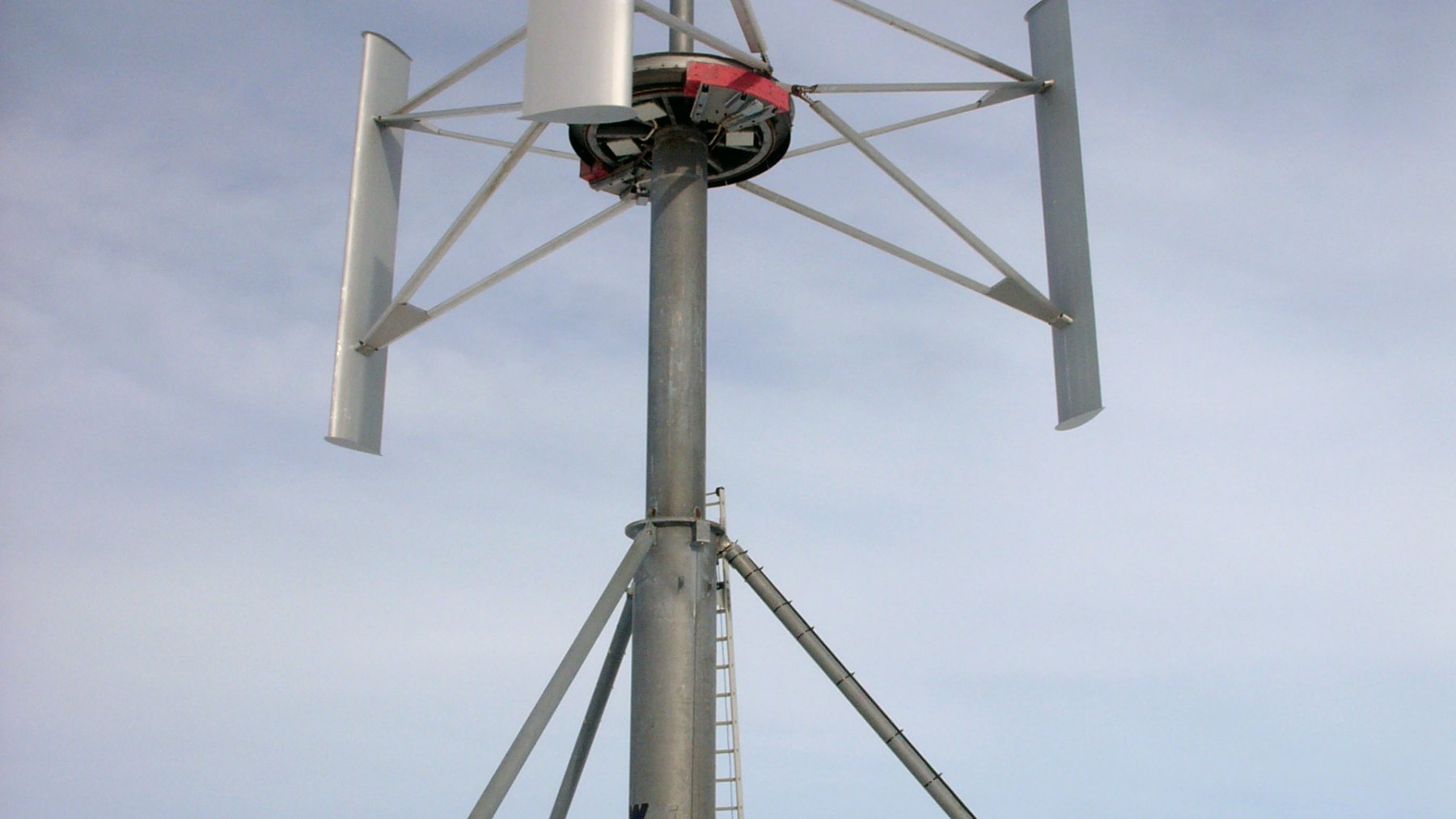
We live surrounded by screens, batteries, silent motors, and clean energy turbines. It all seems futuristic, efficient, almost magical, but there’s something almost no one knows: much of this technology originates underground. They’re called rare earth elements (REEs). You may not realize it, but they’re in headphones, wind turbines, electric cars, missiles, and even cancer treatments. Why all this introduction? Well, it seems that somewhere remote and mysterious “near China,” there’s a single location that concentrates a huge share of this supply.
It’s not just the numbers that are surprising, the impact is too
It’s a truly impressive discovery, as this region is estimated to contain more than 40 million tons of rare earth reserves, representing about 40% of the entire known global supply of these minerals. In 2019 alone, almost half of the world’s REE production came from there. Yes, no other place comes close. And of course, this is strategic. These minerals are not just useful; they’re indispensable.
They comprise 17 chemical elements with unique magnetic, electrical, and thermal properties. And they are used in critical sectors: renewable energy, electronics, defense, aerospace, and medicine. But to extract this geological treasure, tons of acids are used in highly polluting processes. Mountains of waste contaminate rivers, poison the soil, and sicken people. But almost no one sees this…
The region in China that is paying a high price
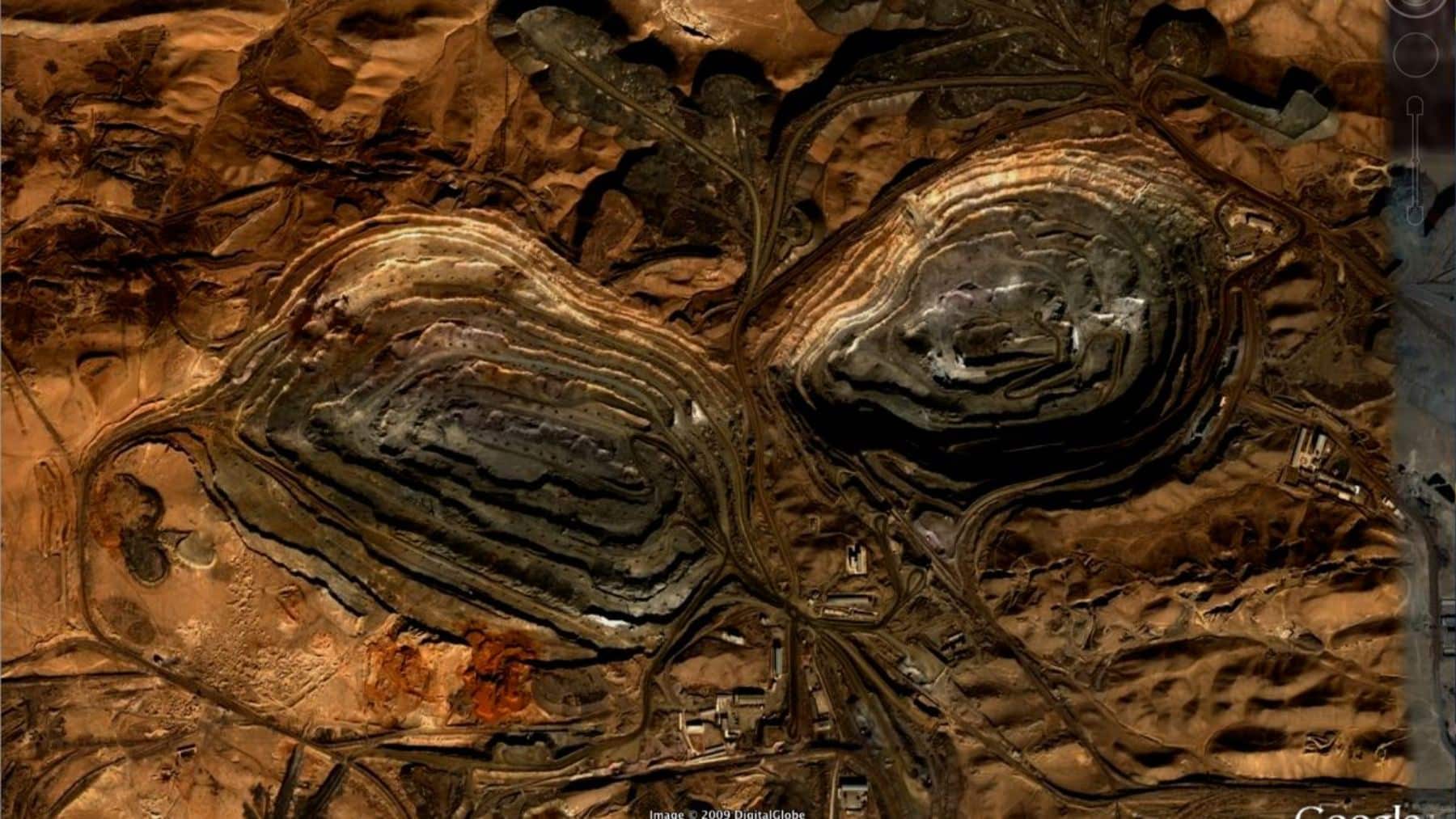
All of this is happening in Bayan Obo, a mining district in Inner Mongolia, China. It’s home to the world’s largest rare earth mine, operated by state-owned giants such as Baogang Group and China Northern Rare Earth Group. It’s important to remember that since the 1950s, when it received Soviet investment to develop its mining operations, Bayan Obo has gone from a village to a symbol of Chinese industrial power, but the local cost was, and still is, very high.
It’s no wonder that residents report that crops stopped growing in the 1980s, that animals died from poisoning, and that children were born with deformed teeth. The impact is so absurd that even a disease called fluorosis has spread, causing adults to lose their teeth while still in their 30s. Not stopping there, in just one village, 66 people died of cancer between 1993 and 2005. Many others were forced to abandon their lands, without fair compensation.
Next to the mine, there’s a gigantic tailings pond containing over 150 million tons of toxic waste and radioactive material. The population has dropped from 2,000 to 300 in just a decade. Perhaps this mine faces the same problem as the other one, which experts say should never be opened.
The world needs to decide: clean mining or a poisoned future?
The most curious thing of all is to think that many of these elements are vital for… sustainable technologies. Yes, the same minerals used in wind turbines, electric cars, and solar panels come from a place where pollution is so severe that it has contaminated the Yellow River, a source of water for 155 million people and the irrigation source for 40% of China’s wheat.
So why does the world continue to depend on a single source for something so critical? Well, because extracting rare earths cleanly and in a diversified manner is more expensive and slower. In the 2000s, when the US closed its main mine due to environmental damage, China already produced 95% of all REEs consumed on the planet. Rich countries outsourced pollution to save money. Today, the power structure is clear: China refines almost everything domestically (with its 40 billion tons of REEs), controls global supply, and uses this to its geopolitical advantage. And the world, even with advances in the US, Australia, and Africa, still hesitates to create robust alternatives.