For most people, diamonds mean engagement rings and glittering store windows, not chip factories and radar systems. Yet according to an exclusive report from Reuters, the governments of the United States and Japan are weighing a plan to steer part of a $550 billion investment package into synthetic diamond production on American soil, with the goal of securing critical technology supply chains.
The project would center on a new synthetic diamond plant in the United States that could be among the first investments unveiled under Tokyo’s massive package of financing for U.S.-based projects. Behind the scenes, officials see it as a quiet but important move to reduce dependence on China, which currently dominates global production of these industrial diamonds and has started tightening export controls on them.
Why synthetic diamonds matter for chips
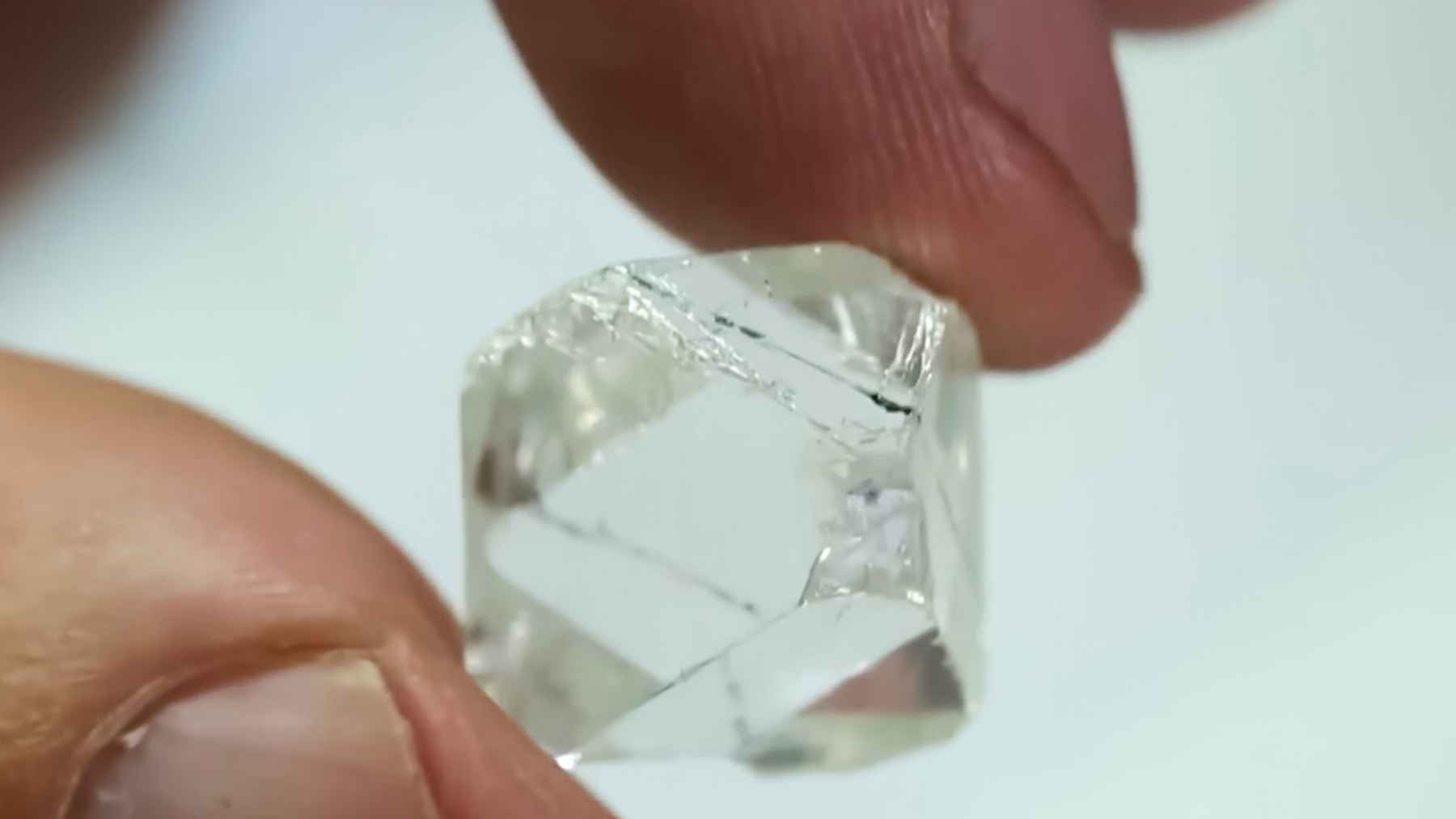
Synthetic diamonds are lab-grown crystals that share the same structure as natural diamonds, but they are designed for factories rather than jewelry stores. Because diamond is one of the hardest known materials, these crystals are used to polish silicon wafers, machine tough metals and ceramics, and keep advanced chips from overheating.
In simple terms, they help shape and cool the components that make your smartphone work, keep data centers humming, and support high-end gear in hospitals and factories. The same properties also make them useful in sensitive equipment such as radar systems and certain types of specialized ammunition, which gives the material clear military relevance as well.
That strategic mix explains why Washington and Tokyo are so worried about relying on a single foreign supplier. When a key ingredient for chips can suddenly become harder to export, governments start looking for backup plans.
Inside Japan’s $550 billion investment package
The synthetic diamond plant is one of several candidate projects inside Japan’s huge $550 billion commitment to invest and provide financing in the U.S. under a recent trade deal that also cuts tariffs on Japanese exports. According to reporting by Tamiyuki Kihara and Makiko Yamazaki, the plan would combine equity, loans, and loan guarantees rather than a single pot of cash.
Funding support is expected from state-backed agencies such as the Japan Bank for International Cooperation and Nippon Export and Investment Insurance, which already help Japanese firms expand abroad in sectors seen as vital for economic security. Their own material describes how they underwrite investments and insure companies against political and economic shocks in foreign markets, which fits the high stakes nature of chip and materials projects.
On the corporate side, industrial diamond specialist Element Six, part of De Beers Group, has been identified as a potential partner for the facility, though no formal deal has been signed so far. Other proposed projects in the same first wave include a power generation venture with conglomerate Hitachi and a large data center linked to SoftBank Group, underscoring how broad the package could become.
A response to China’s grip on synthetic diamonds
For the most part, synthetic diamonds used in industry are made in Chinese factories that have built up scale and expertise over many years. Recent decisions by Beijing to impose export controls on some artificial diamonds have sharpened worries in Washington and Tokyo that a single country could squeeze supplies of a material that sits quietly inside many pieces of modern technology.
One source quoted in the Reuters exclusive said the plan is to accelerate domestic production of synthetic diamonds so that a shared U.S.-Japan supply chain does not depend on Chinese exports. At the end of the day, that means shifting at least part of the value chain for diamond powders and high-grade crystals into trusted allied countries, even if China remains a big player in the wider market.
Officials on both sides also see the project as part of a broader push to protect supply chains for semiconductors and other strategic goods. Consultation committees involving the U.S. Department of Commerce and several Japanese ministries have been meeting since late last year to narrow down which investments move first, with a visit to Washington by Prime Minister Sanae Takaichi expected to give political momentum.
What it could mean for everyday tech and energy
If the project goes ahead, it will not instantly change the way your phone or laptop is made, and experts would likely stress that. Building a new plant, qualifying its products for delicate chip-making tools, and ramping up to meaningful volumes can take years.
Over time though, a more diverse supply of synthetic diamonds could help stabilize costs for chip makers and tool suppliers when global politics heat up. In practical terms, that could soften the kind of shortages that ripple through car factories, game console launches, or the data centers that quietly power streaming services and cloud storage.
The same investment framework is also steering money toward power transmission and data infrastructure, including possible projects involving advanced grid equipment and energy-hungry server farms. That link matters for anyone who has worried over a rising electric bill during a sticky summer heatwave, because more efficient hardware and more resilient grids can help keep costs and outages under better control.