The US Navy is bringing the name USS Utah back to the fleet with a new Virginia class fast attack submarine, a move that ties today’s undersea priorities to one of the most painful chapters of World War II. The submarine is set to be christened on October 25, 2025 at the Electric Boat shipyard in Groton, Connecticut.
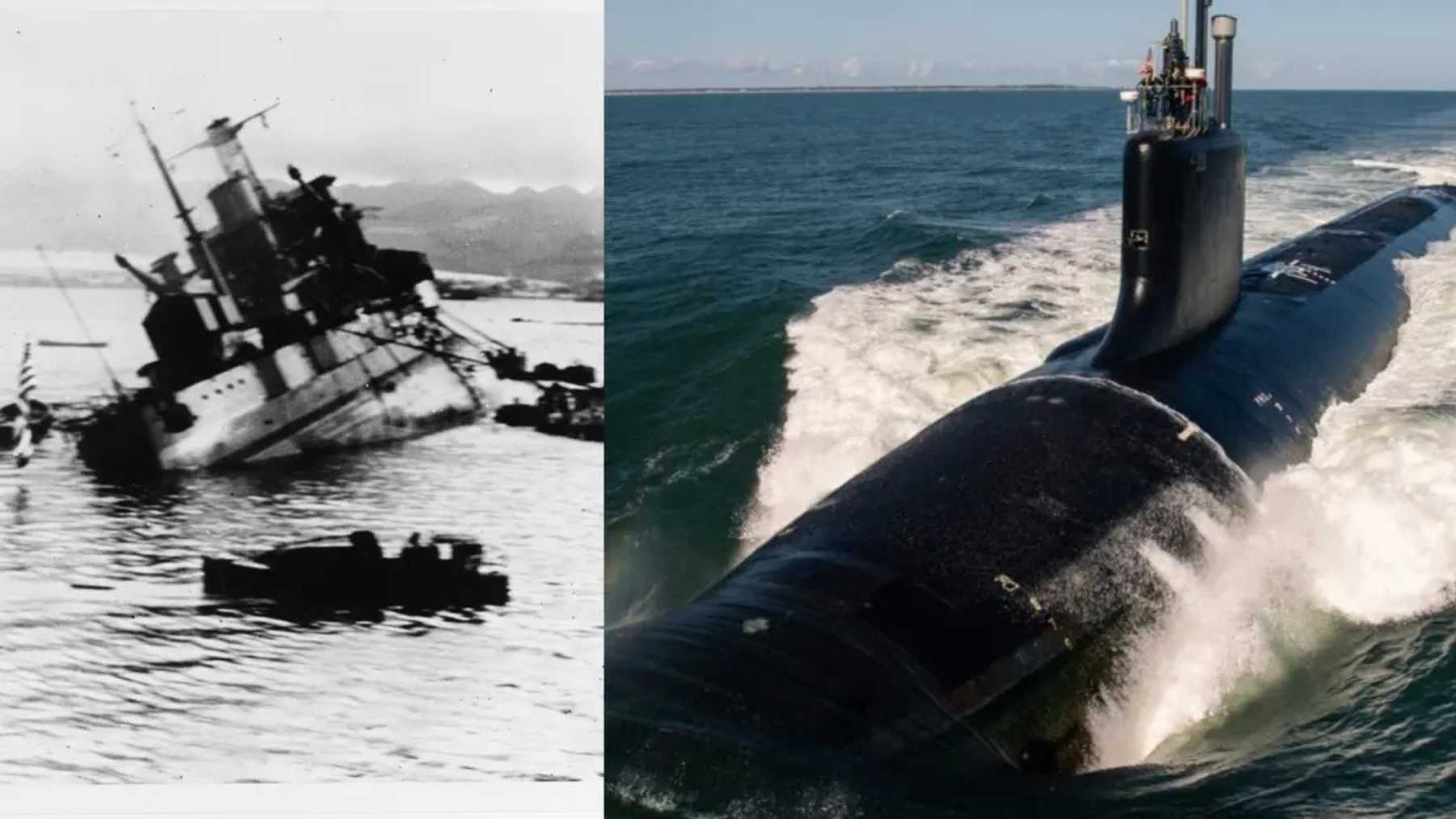
Why does a name matter on a vessel most people will never see? Because the last USS Utah was a battleship that capsized and sank during the Japanese attack on Pearl Harbor on December 7, 1941, and the Navy has not used the name again until now.
A Pearl Harbor name returns to the water
Pearl Harbor often feels like distant history, something you hear about once a year and then move on. For sailors, though, ship names can act like a thread that pulls the past into the present.
The earlier USS Utah was hit during the opening moments of the 1941 attack and rolled over in the harbor. That story now sits behind a submarine designed to operate quietly for long periods far from shore.
What the Navy expects this submarine to do
Attack submarines are built for missions that happen out of view, even in an age of constant video and satellite images. The Navy’s public fact file says these boats are designed to “seek and destroy enemy submarines and surface ships,” while also supporting reconnaissance, special operations, and mine warfare.
In everyday terms, it is less like a dramatic movie battle and more like long, tense hours of listening, tracking, and positioning. You will not hear an engine overhead like a jet, and you will not see anything on the horizon, but that is the point.
The Utah connection and the numbers behind it
The submarine carries the hull number SSN 801, and supporters have pointed out the obvious nod to Utah’s well known area code. It is a small detail, but it helps connect a high cost federal program to a place people can picture, like a phone number you have dialed a thousand times.
The USS Utah Commissioning Committee has also traced the boat’s timeline and roles, including the keel laying on September 1, 2021 and a planned path that stretches into commissioning in late 2026 or early 2027. It also notes the ship sponsor, Kate Mabus, and links the naming tradition back to the earlier battleship.
Why the Virginia class keeps expanding in size and firepower
Virginia class submarines have been upgraded in “blocks,” meaning batches built with different improvements so the design can evolve without starting over. One of the biggest changes is the Virginia Payload Module, an added section that makes some boats significantly longer and increases how much they can carry.
A Congressional Research Service report says Virginia class boats equipped with that module are about 461 feet long and have an underwater displacement of about 10,200 tons. The report also explains that the module is meant to increase payload capacity, including space for additional Tomahawk cruise missiles.
What happens after the bottle breaks
A christening is a milestone, not the finish line. Afterward, the submarine moves through sea trials and testing before it is delivered to the Navy, and only later commissioned when the crew and systems are fully certified.
The Navy’s Submarine Force Atlantic describes the broader Virginia class as replacing older Los Angeles class submarines and notes the program’s role in keeping the force relevant across open-ocean and near-shore missions. Undersea competition is rarely visible day to day, but it shapes real-world choices about where ships deploy and how the US plans to deter conflict.The main official information about the christening has been published by General Dynamics Electric Boat.
The official press release was published on General Dynamics Electric Boat’s christening page.