Hidden beneath the snow of Antarctica, scientists have carved out a new kind of vault. It does not store gold or seeds, but ice that holds the memory of Earth’s climate.
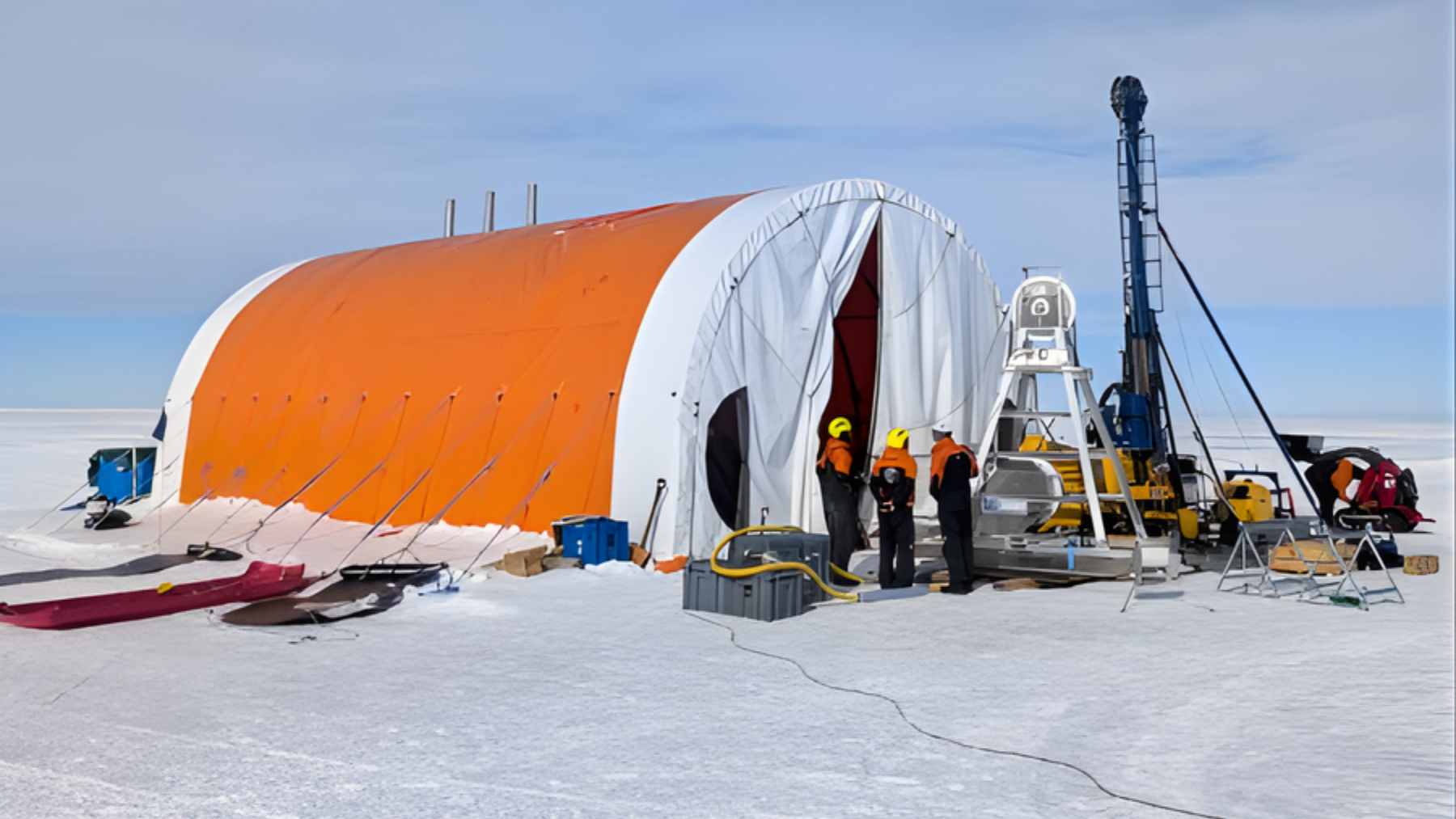
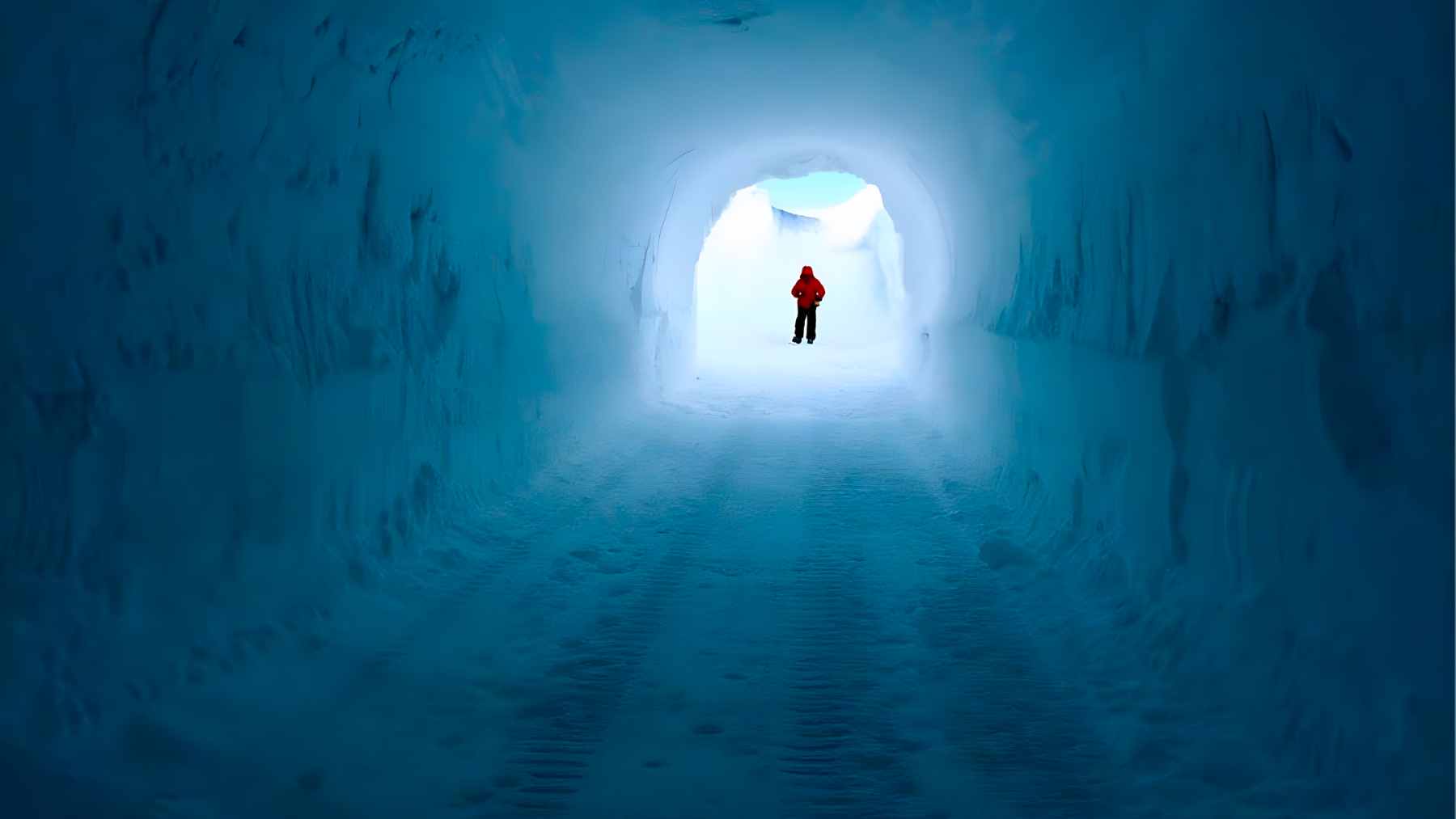
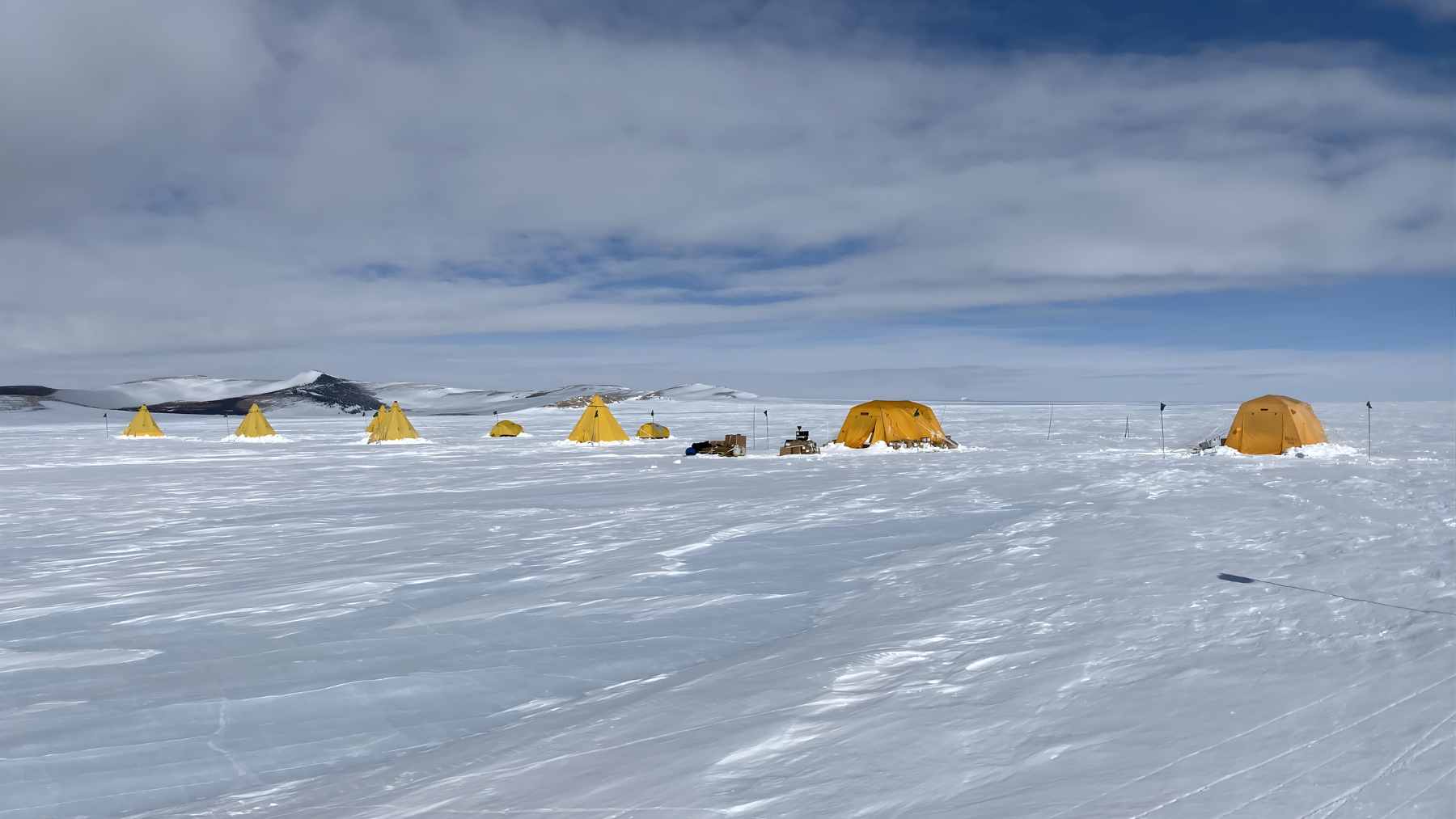
In mid-January, the Ice Memory Foundation inaugurated the first global sanctuary for mountain ice cores near the Franco Italian Concordia Station on the Antarctic plateau.
Inside a 35-meter-long cave dug into compacted snow about 9 meters below the surface, samples rest at a natural temperature close to minus 52 degrees Celsius with no need for electricity or mechanical cooling.
The idea grew out of an international project launched in 2015 by French research agency CNRS and partner institutes in Italy and Switzerland.
A warming world and vanishing glaciers
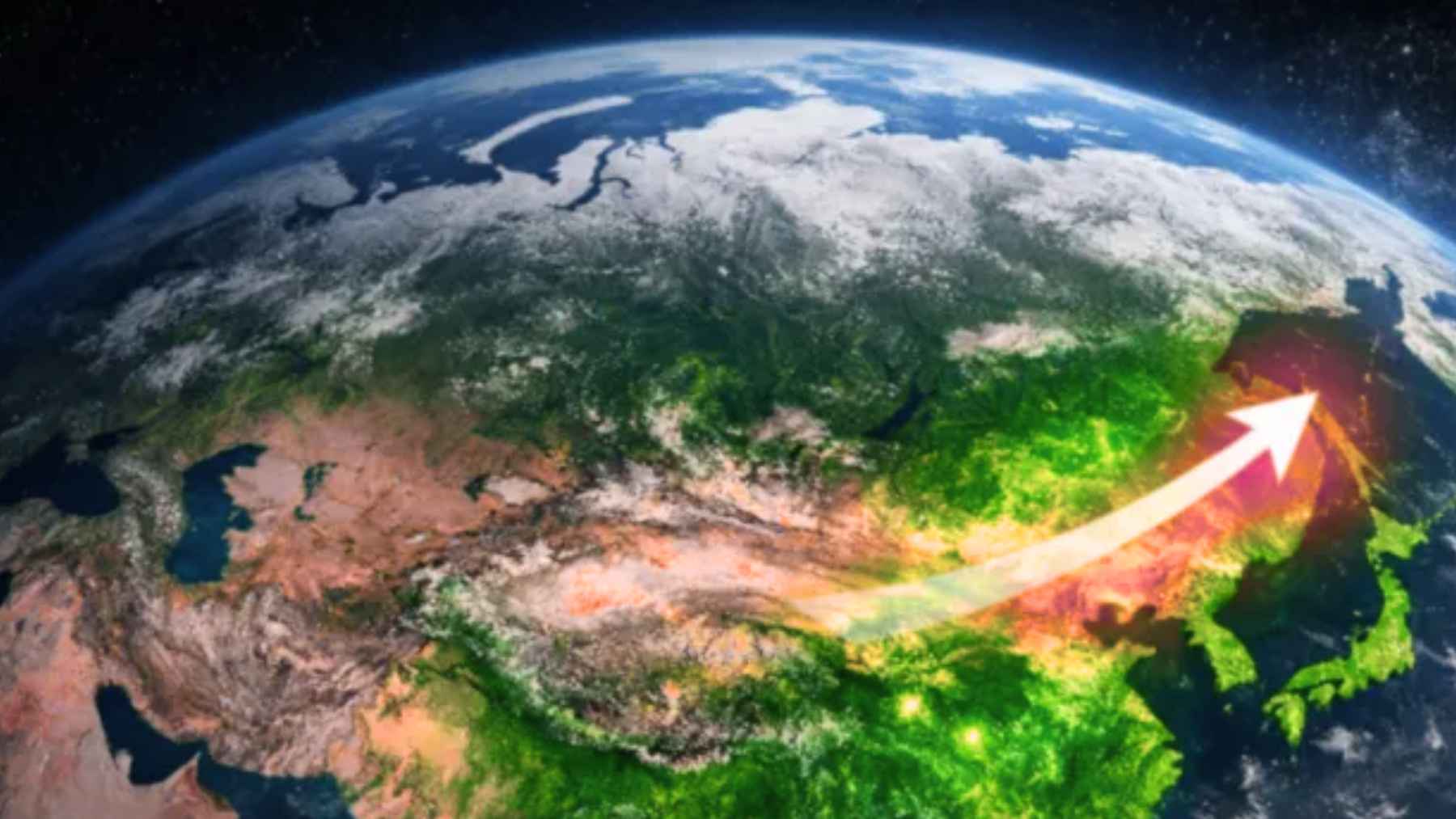
As this frozen archive opens, the wider climate picture looks grim. Global data show that 2025 was among the three warmest years ever observed, with temperatures roughly 1.4 degrees Celsius above the 19th-century average.
Since 2000, mountain glaciers have lost between about 2% and 39% of their ice in different regions, and the World Meteorological Organization warns that nearly half of the world’s glaciers could vanish by the end of the century if warming continues.
Why preserving ancient air bubbles matters
So what problem does this Antarctic snow cave actually solve? Ice cores drilled from high mountain glaciers capture tiny bubbles of ancient air along with dust, ash and pollution from volcanoes, wildfires and smokestacks.
They let scientists read past greenhouse gas levels and temperature swings far more directly than most other natural archives, which improves the climate models that guide flood defenses, crop planning and even long-term energy choices.
Passive freezing and the Antarctic Treaty system
Until now, most heritage cores sat in industrial freezers in Europe that need constant power and careful maintenance.
Those facilities consume significant electricity and remain exposed to blackouts, political crises or simple human error.
By relying on the deep cold of the Antarctic plateau instead, the sanctuary offers passive storage that can keep working even if the outside world stumbles, and it was approved by the parties to the Antarctic Treaty System in 2024 after detailed environmental reviews.
A global archive for future climate research
The first guests of this underground freezer are two long ice cores from the Alps, drilled on Mont Blanc’s Col du Dôme in France and on Grand Combin in Switzerland. About one point seven tons of ice traveled from the Italian port of Trieste on a refrigerated route by research vessel and then by cargo plane to reach Concordia in December 2025.
Over the next decade, additional cores from the Andes, the Pamir Mountains, Svalbard and other threatened regions are expected to join them.
For the Ice Memory team, this is more than a clever engineering trick.
It is also a statement about how seriously we take climate evidence. Prince Albert II of Monaco, whose charitable foundation helped fund the project, has called glaciers “pillars of the Earth system” that support millions of people far beyond the polar regions, while foundation director Anne Catherine Ohlmann warns that “we are the last generation who can act”.
In practical terms, the sanctuary treats these ice cores as a global common resource rather than property of any single country. Access will be governed under international rules linked to the Antarctic Treaty and future United Nations frameworks, with samples opened only for carefully reviewed scientific projects.
Climate risks and a message for future generations
As heat waves, droughts and rising seas touch more of daily life, from water bills to food prices, it can feel like the planet is already locked into an unsettling future. The snow cave under Antarctica sends a quieter message, one that stretches far beyond today’s news cycle.
Somewhere on the high plateau, our past atmosphere is waiting on ice for whoever comes next to learn from it.
The official press release was published on CNRS.