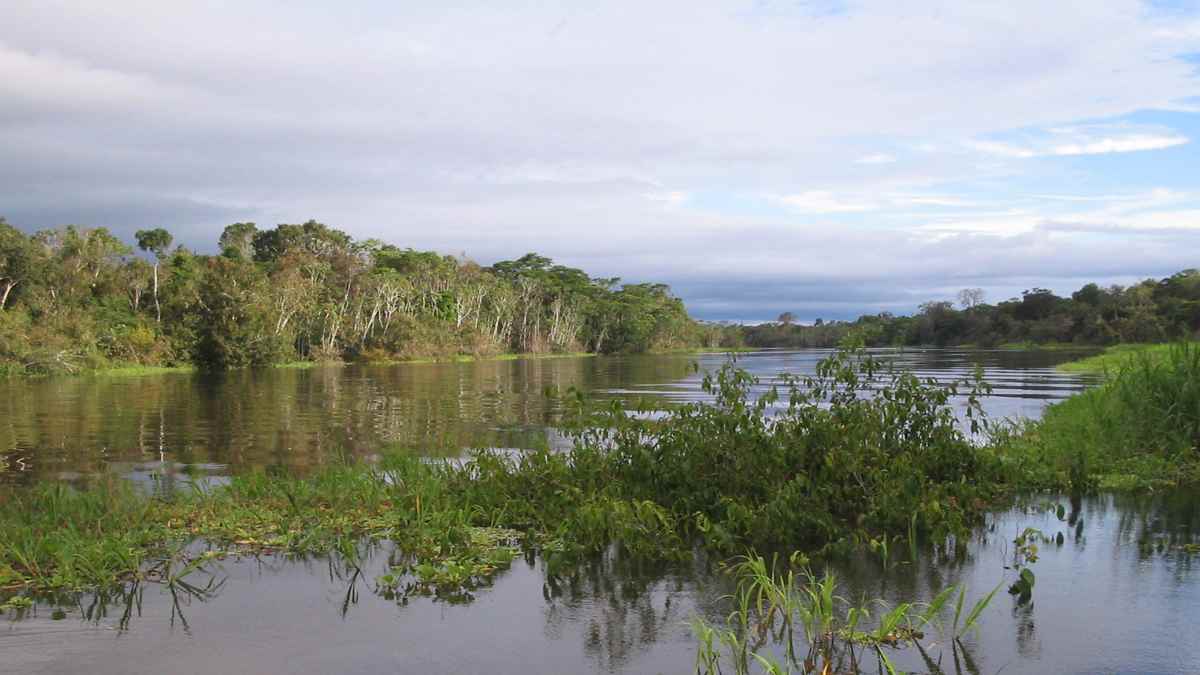
Long before humans began cutting roads through the Amazon, giant anacondas were already gliding through its murky waters at almost the same size they reach today. A new fossil study shows that these tropical snakes hit their maximum length about 12.4 million years ago and have stayed giants ever since, even while many other prehistoric reptiles disappeared.
Anacondas are already famous as some of the largest snakes on Earth. Most adults measure around four to five meters in length, roughly thirteen to sixteen feet, and in rare cases can stretch to about seven meters, close to twenty three feet. The surprising result from the new research is that fossil anacondas from the Miocene were essentially the same size as the biggest snakes still found in Amazonian rivers today.
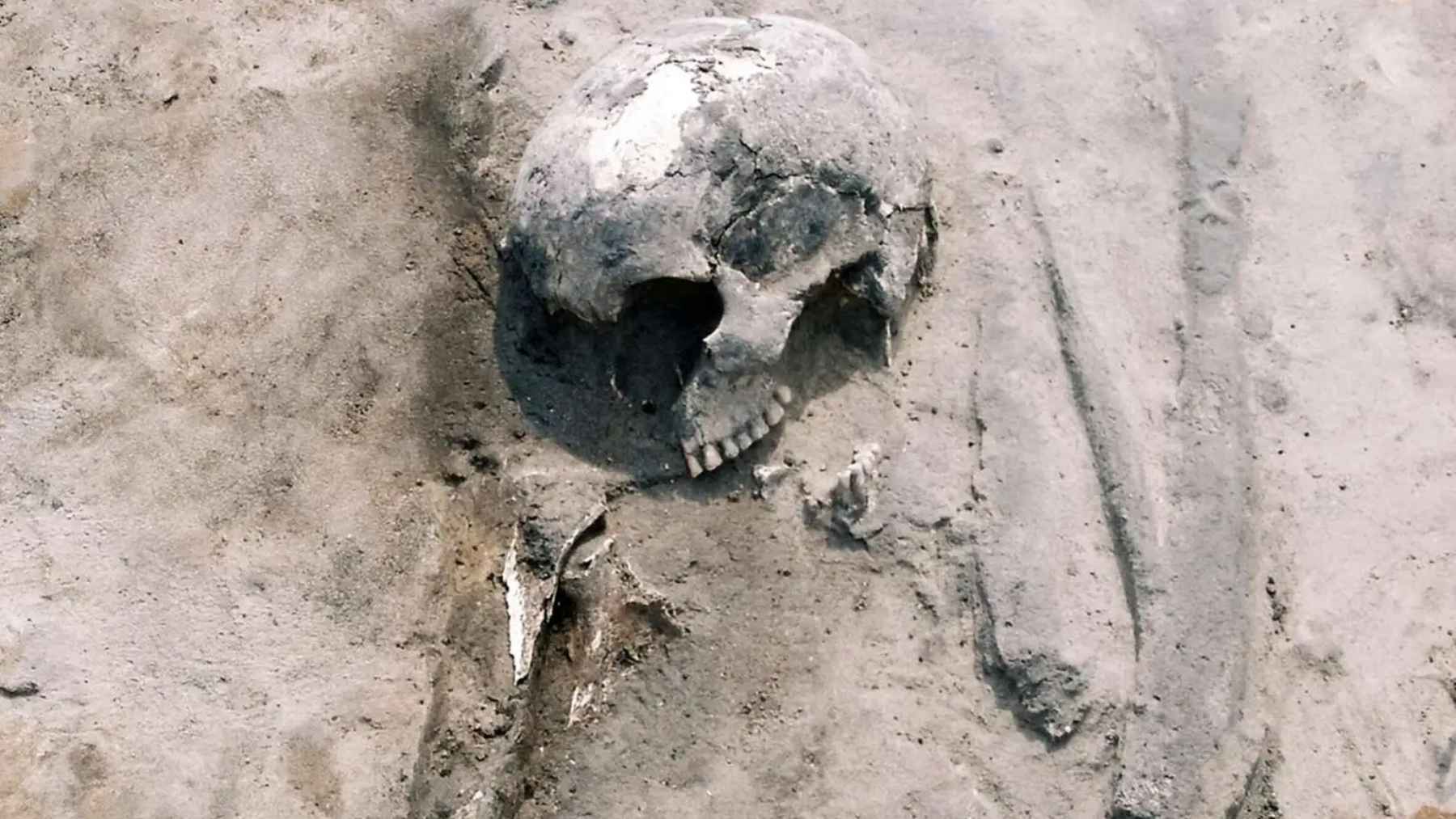
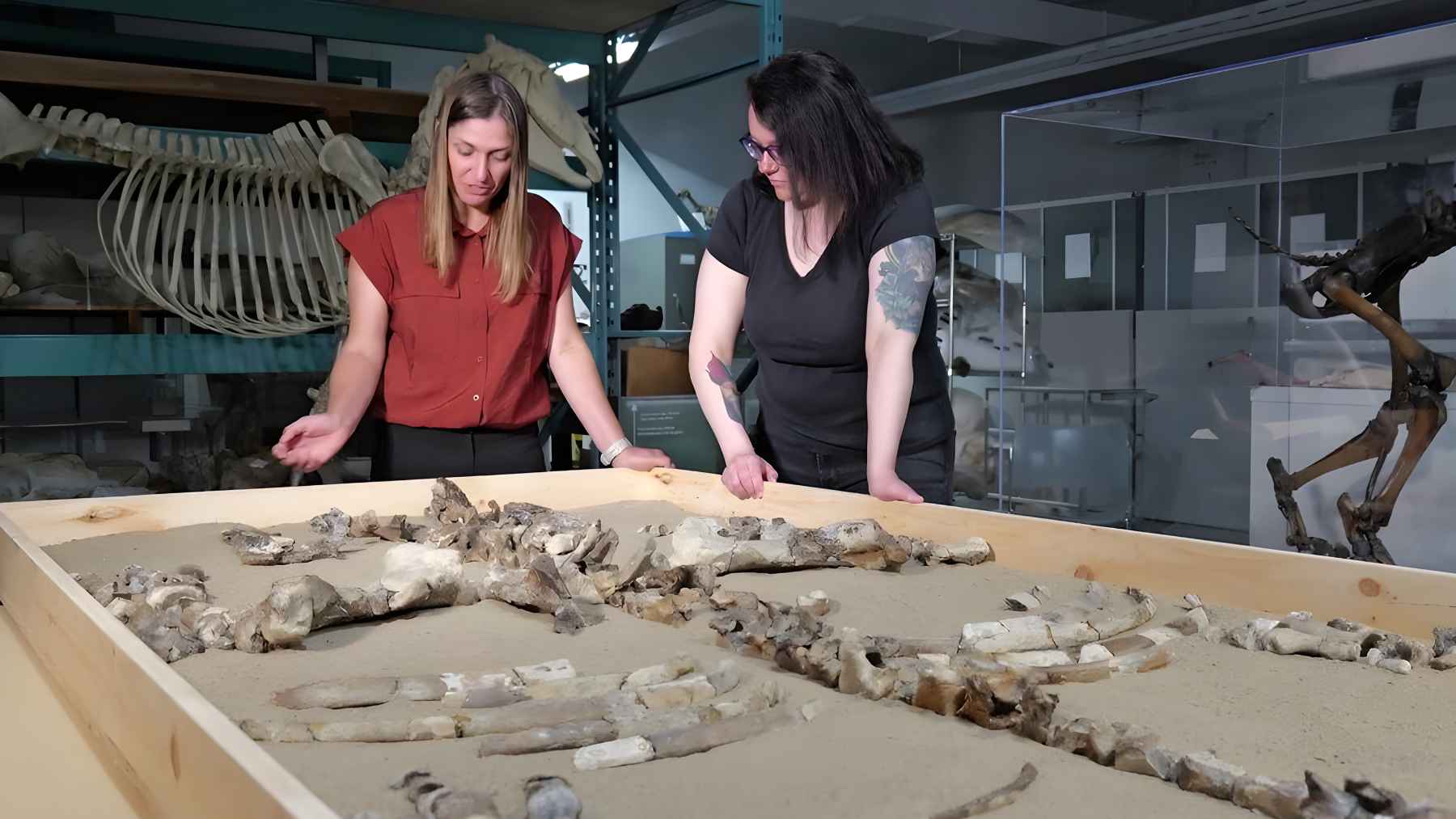
Scientists led by the University of Cambridge analyzed 183 fossilized vertebrae, the backbone bones that form a snake’s long body. These fossils, unearthed in Falcón State in Venezuela, represent at least 32 individual anacondas.
By comparing the size of each vertebra with measurements from living snakes, the team reconstructed the total body length of these ancient predators and found that most were between four and five meters long.
Fossils that fix anaconda size in deep time
To double check the numbers, the researchers used a second method called ancestral state reconstruction. They built a family tree that included anacondas and their close relatives, such as tree boas and rainbow boas, then estimated ancestral body lengths along that tree. The result pointed in the same direction. Anacondas were already large when they first appeared in the fossil record and their average size has stayed remarkably stable for more than twelve million years.
Taken together, the new fossil study and modern environmental data carry a clear message. Giant anacondas have already proven they can ride out slow, natural climate swings and the loss of other megafauna. Their real vulnerability lies in rapid, human driven transformation of their wetlands and forests.
Lead author Andrés Alfonso Rojas called the finding unexpected. Previous ideas suggested that snakes, which depend heavily on ambient temperature, should have been even bigger during past warm climates. Instead, he and his colleagues found no evidence for seven or eight meter monsters in Miocene rocks.
Giants of Miocene wetlands
The fossils date to the Middle to Upper Miocene, a stretch of time between roughly 12.4 and 5.3 million years ago. During that period, global temperatures were warmer, wetlands were widespread and food was abundant. Northern South America was then a vast mosaic of swamps and floodplains that looked a lot like today’s Amazon basin, only larger and wilder.
Anacondas shared those wetlands with true giants. Fossils from the same region include the enormous caiman Purussaurus, which could reach about twelve meters in length, and the freshwater turtle Stupendemys, with a shell more than three meters long. These colossal reptiles vanished as climates cooled and habitats shifted, yet anacondas held on and kept their bulk.
Why anacondas stayed big when other giants vanished
So what gave anacondas an evolutionary advantage? The new study points to a combination of lifestyle and flexibility. The snakes live in swamps, marshes and large rivers such as the Amazon, where water supports their massive bodies and lets them move with surprising agility. They are opportunistic apex predators that feed on a broad menu of fish, birds and mammals, including capybaras and caimans.
Because they are semi aquatic, anacondas can retreat into channels and flooded forests even when surrounding landscapes change. According to Alfonso Rojas, many Miocene megafauna, such as giant crocodilians and giant turtles, went extinct as global temperatures dropped and wetlands shrank, yet giant anacondas survived.
He notes that “other species like giant crocodiles and giant turtles have gone extinct since the Miocene, but the giant anacondas have survived,” and describes them as “super resilient.”
For ecologists, that resilience matters. As top predators, anacondas help control populations of aquatic and semi-aquatic animals and contribute to the overall balance of Amazon wetlands. Healthy populations of these snakes usually signal healthy rivers and floodplains with enough prey and clean water to sustain them.
An ancient survivor facing modern pressures
The fossil record tells a story of long term stability. Anacondas found a size that worked and kept it for millions of years through gradual climate cooling and natural habitat shifts. Today, however, the pace and scale of human driven change in the Amazon are very different.
Across the basin, deforestation and land conversion have already removed more than 88 million hectares of forest since the mid nineteen eighties, much of it replaced by agriculture, cattle ranching and mining.
Tropical forest loss worldwide reached about 6.7 million hectares in 2024, nearly double the area lost the year before, driven largely by fires and rising temperatures. Wetlands and floodplains, the very habitats that helped anacondas stay giant for so long, are among the ecosystems most affected by drainage, dams and pollution.
Conservation groups already list habitat loss, hunting and human persecution as major threats to green anacondas, despite their current global status as a species of least concern. Scientists also warn that the Amazon as a whole is edging toward critical thresholds where deforestation and climate change could trigger large scale shifts in rainfall, fire and vegetation.
What this means for conservation
Protecting the Amazon’s rivers, swamps and flooded forests does more than safeguard a single charismatic snake. It helps preserve an entire web of life that has evolved around these ancient giants, from capybaras and caimans to the countless fish, birds and plants that share the same waters. Supporting wetland protection, backing anti-deforestation policies and recognizing the role of Indigenous and local communities in stewarding these landscapes are practical steps that keep this deep time success story from being cut short.
For now, each encounter with a wild anaconda is not just a brush with one of the largest snakes on Earth. It is also a living link to a Miocene world of vanished giants and a reminder that long term resilience still depends on the choices we make today.