Sustainable mobility continues to focus on a very specific region of the world: Asia. China’s momentum is almost unstoppable, although it is only now that Japan has taken a step forward. Toyota has the first engine to say goodbye to EVs and FCEVs, with a completely different type of fuel that we hardly know in America. The most curious thing of all? It has zero emissions and is promising, but the plans for its commercialization are somewhat different from what we would have imagined.
Toyota has unveiled the engines of the future: Experts are talking about the end of EVs and FCEVs
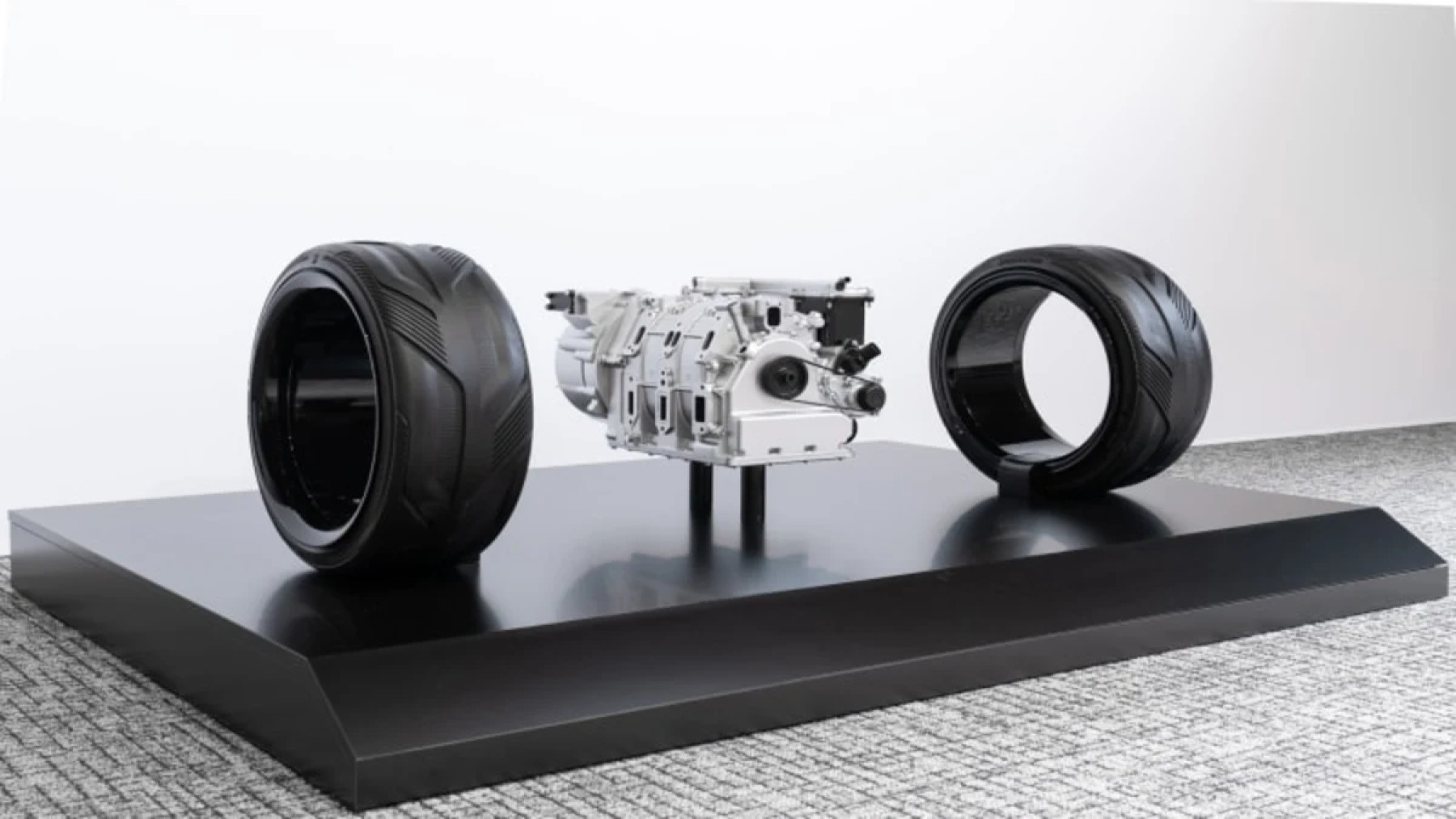
This year, in March, Toyota presented a new generation of compact, high-performance engines that are compatible with biofuels, e-fuels, and hydrogen. These engines are typical of the carmaker’s long-term plan for the development of additional powertrains beyond electric vehicles (EVs) and in response to rising standards of emissions.
The new engines entering the market in 1.5-liter and 2.0-liter versions themselves are much smaller and lighter than Toyota’s latest products. The 1.5-liter engine seems to have trimmed volume and weight by 10 percent, and the 2.0-liter turbo engine proposes the comparable benefits compared to the existing 2.4-liter turbo engines.
What fuel does this new Toyota engine run on? 3 keys to understanding why it is so promising
This compact design enables radical layouts to be considered for vehicles, for example, low hoods that can enhance the vehicles’ features like aerodynamics and fuel consumption. Another important characteristic of those new motors is that they should have the potential to support the variety of new generation fuels:
- Biofuels: The engines are flexibly built for biofuels, which are, more often than not, obtained from plant sources. This assists in cutting down the carbon emissions of internal combustion engines by using renewable fuel sources.
- E-Fuels: The engines can also use e-fuels, which are synthetic gasoline produced from renewable sources of energy. This offers another laurels of lighter fuel for the internal combustion system.
- Hydrogen: Toyota is also working on the production of these engines modified for liquid hydrogen use, a substance that can also be used to ignite this engine. This policy aligns with the firm’s long-term vision of a ‘hydrogen society’.
Toyota has collaborated with these two legendary carmakers: The problem is the commercialization date
It should be noted that these new engines have been developed in cooperation with other partners, Subaru and Mazda as well. Currently, these three companies are jointly progressing in the sense of fine-tuning these engines with motors, batteries and other electrical drive devices.
Subaru and Mazda are the strategic partners, where Toyota currently possesses a 20% stake in Subaru, and about a 5% stake in Mazda, leading to the reinforcement of ties among the companies towards the sustainable automobile industry. Toyota has not fully explained when models containing the new engines will be available on the market.
Yet, going by recent developments, the inline-four can only be introduced in electrified cars at the end of the year 2026. The firm is also mentioned to be mulling the creation of a carbon credit fuel supply chain, where it is to team up with some of the Japanese Petroleum firm and Mitsubishi Heavy Industries for the ICE to support for the long-term with a decarbonized approach.
This legendary Japanese manufacturer has surprised the world once again, now with the Toyota biofuel engine. It is a decisive step towards the search for new alternatives to end the dependence on EVs and FCEVs, with a new fuel that will revolutionize the roads. We saw it even with the first photovoltaic car or with the future plans that Tesla has in mind, but this news does not cease to surprise us, even if it will take time to see it materialize in America.