The Paris 2024 Olympic Games are just over a month away, and Toyota is preparing the occasion to unveil its new fuel type to the world. Convinced that EVs are not the future, they have developed a new generation of engines that not even China knows about, and of which we in America know very little. It is not methanol or ammonia (not even in its green version), but one that only expels water vapor and will revolutionize sustainable mobility on the planet.
Toyota has opened a new generation of engines: it’s not about EVs, but this futuristic fuel
Toyota, one of the pioneers in the use of technological solutions for the production of cars powered by fuels different from gasoline, has expanded its research on sustainable transport by creating a body that uses hydrogen fuel cells in testing for the Hilux pickup.
The intention, as you may imagine now, is to develop powerful pickup vehicles from fossil-fueled models.
The powertrain of the vehicle is consequentially based on key components of the Toyota Mirai, the first mass-produced hydrogen fuel cell sedan in the world, which was launched in 2014 and, therefore, has been garnering insight on reliability and performance data for nearly a decade.
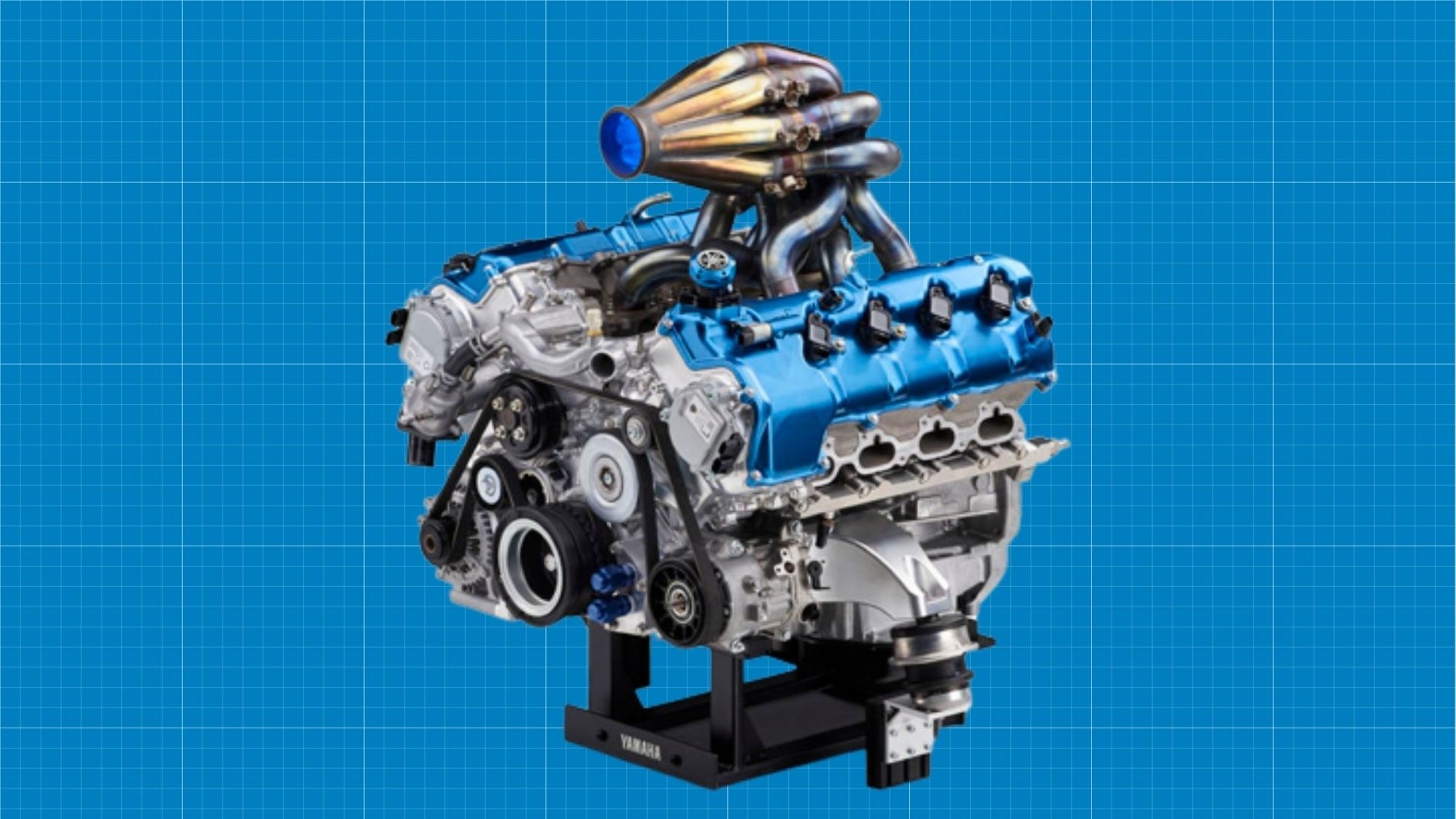
Another component of the fuel cell Hilux is a polymer electrolyte fuel cell stack that has 330 cells; it is placed above the front axle. The design outlined above enables the vehicle to develop a rated output of 134 kW (182 DIN hp) and 300 Nm of torque; the exhaust pipe emission is zero, with the vehicle producing merely water as the combustion product.
373-miles autonomy and unprecedented power: the details about the new Toyota FCEV
One important benefit of electric vehicles that use hydrogen fuel cell technology is that it has to do with the range of the vehicle. The range anxiety is also solved, as the scientists expect the prototype Hilux to travel for 600km (373 miles) between refills, while there are many times more battery-electric vehicles producing less range.
Toyota’s commitment to hydrogen technology is evident in its plans to further develop and commercialize the fuel cell Hilux prototype. The know-how gained from this project will be combined with the company’s 30 years of hydrogen fuel cell research and development, contributing to the next generation of fuel cell technology.
What can we expect from this new generation of engines? The Hilux Model opens the door to many hypotheses
This next-generation fuel cell technology is expected to offer longer lifecycles, increased driving ranges, and significantly reduced costs, making it more accessible to a wider range of consumers and businesses. Toyota’s vision for the future of hydrogen-powered mobility extends beyond the Hilux prototype.
The company expects Europe to be one of the largest hydrogen fuel cell markets by 2030, with steady growth in both mobility and power generation applications. To support this growth, Toyota Motor Europe (TME) announced the Hydrogen Factory Europe in December 2023, reflecting the company’s coordinated approach to the commercialization of hydrogen technology.
Second of all, since hydrogen is lighter than diesel, the payload and towing capacities are greatly enhanced in comparison to other zero-emission vehicles. It could be recalled that the production of the hydrogen fuel cell Hilux prototype started with the feasibility study made by TMUK and TME early 2022.
Toyota hydrogen engines could open the door to a new type of mobility that does not rely exclusively on EVs. In fact, the concept of FCEVs has been known to you for some time, but we will no longer talk only about the Mirai, but now also about the Hilux. When will you be able to see it? On July 26, during the opening ceremony, although we have no further details because the Japanese (and the French) are keeping it all in the utmost secrecy.