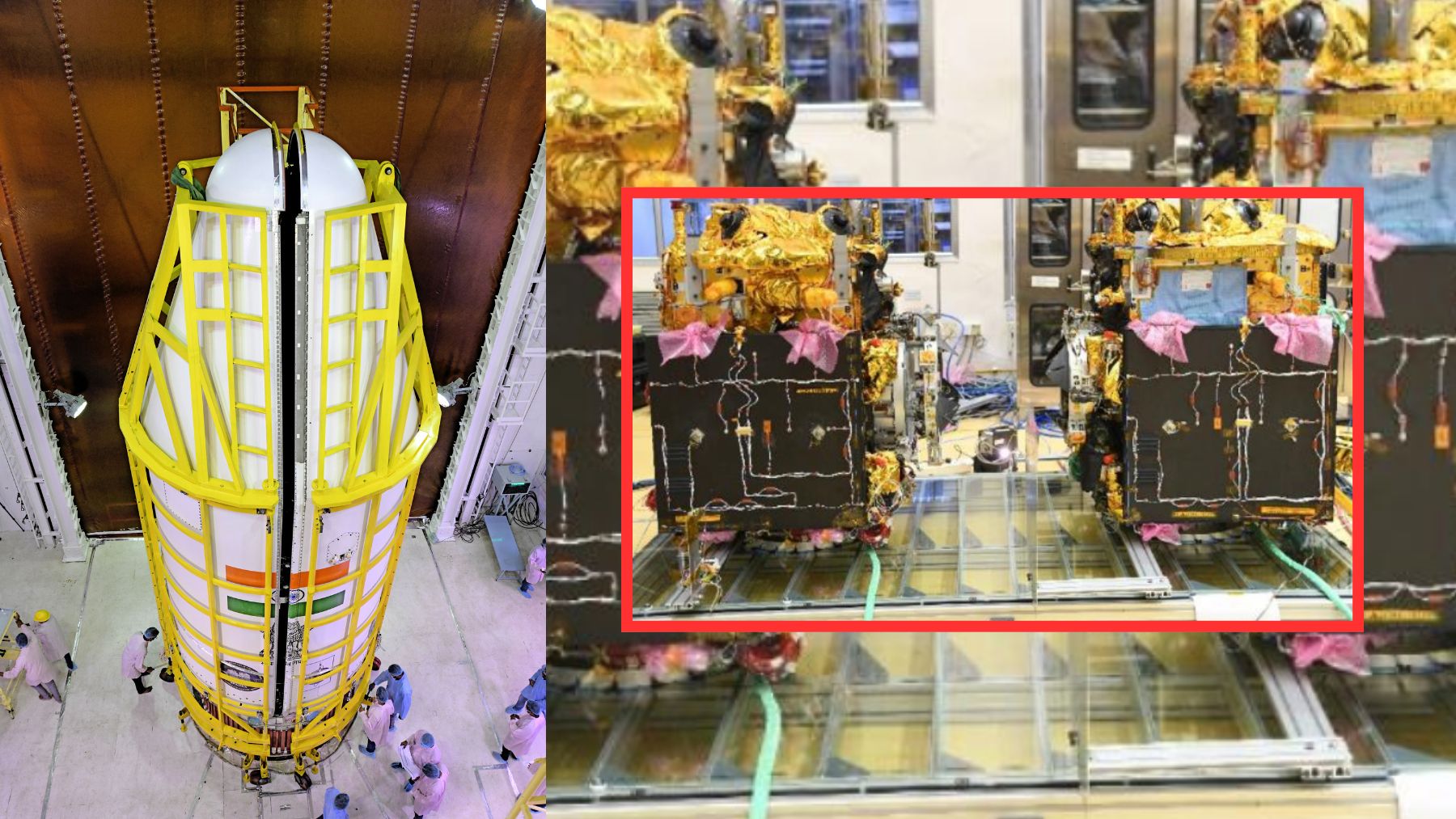
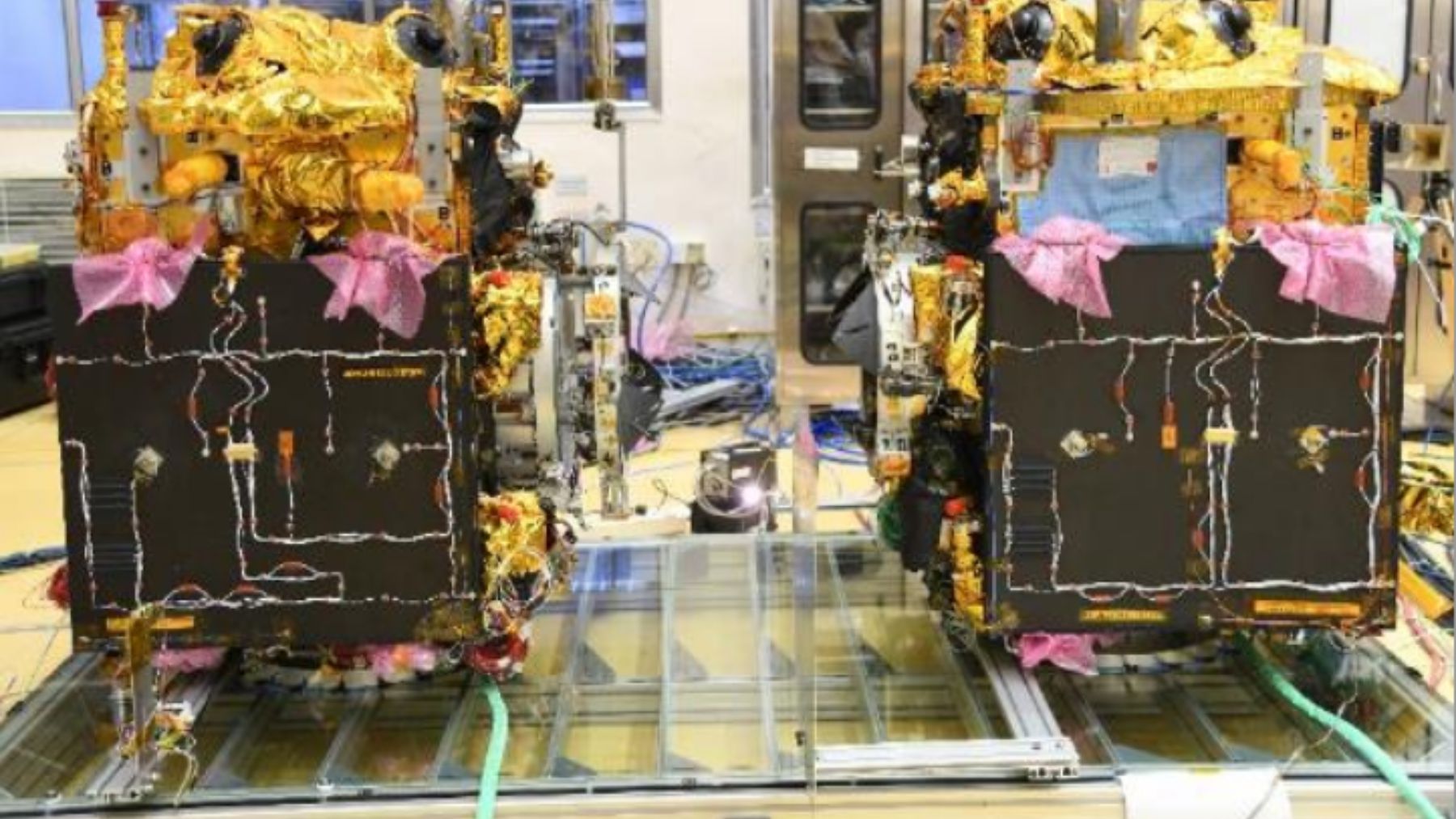
India has quietly crossed a new frontier in orbit. With its SpaDeX mission, the country has become the fourth nation on Earth to dock two satellites in space, a feat previously achieved only by the United States, Russia and China. Target and Chaser, a pair of refrigerator-sized spacecraft built by the Indian Space Research Organisation, locked together in low-Earth orbit in mid January, turning years of ground testing into a precise “space handshake”.
SpaDeX may sound like a story meant only for rocket engineers, yet it carries clear implications for anyone who cares about the climate, food security or the growing cloud of junk around our planet. Docking is a foundation for modular space stations, long-duration science missions and smarter satellite servicing that can help squeeze more science and value out of every launch.
How the SpaDeX satellites dock in low Earth orbit
Launched on the PSLV C60 rocket at the end of December, the two SpaDeX satellites were placed into a circular orbit a few hundred kilometers above Earth. The spacecraft first drifted apart, then closed the gap in stages, from tens of kilometers to just a few meters, using small bursts of propulsion and a suite of laser range finders, rendezvous sensors and cameras to measure every movement.
When the satellites finally met, they did so gently. The docking mechanism is designed for very low impact, with approach speeds of only a few millimeters per second, and it is androgynous, meaning either satellite can play the role of chaser or target. That flexibility matters for future missions where different vehicles will need to assemble and reconfigure in orbit without human hands.
Microgravity experiments and sustainable space agriculture
So where does the environment come in? Among the mission’s 24 experiments are eight cowpea seeds that germinated within four days in microgravity, an early proof that hardy food crops can sprout in orbit. Researchers see this as a small but important step toward growing food during long journeys, instead of shipping every meal from Earth, and toward understanding how crops cope with stress.
SpaDeX also carries eyes and instruments that look back at our own world. Once the docking and undocking trials are complete, one satellite will operate a miniature high-resolution camera, while the other will host a compact multispectral imager that can monitor vegetation and natural resources from orbit. A radiation monitor on board will log how much radiation the spacecraft encounters over time, data that matters for both human spaceflight and the electronics we send into space.
Earth observation, climate monitoring and space environment
The same mission that tested delicate docking will later help track the health of forests, crops and water bodies and will improve models of the harsh space environment.
For people far from any launch site, the benefits may show up as better drought warnings, stronger tools for conservation and more reliable weather and navigation services.
Satellite servicing, refueling and orbital debris
There is another environmental thread woven into SpaDeX. Docking is a core technology for on-orbit servicing, refueling and repair. Instead of abandoning a satellite when its fuel runs low or a component fails, future vehicles could dock, top-up propellant, swap parts or push an ailing spacecraft into a safer orbit. Space agencies see this as one way to slow the growth of orbital debris and reduce the need to launch replacement hardware.
ISRO space station plans and sustainable space exploration
India’s space agency has been clear that SpaDeX is a stepping stone toward bigger plans, including the Bharatiya Antariksh Station, lunar sample return and more complex human missions. Docking lets those ambitions unfold in stages, with modules launched separately and assembled in orbit, instead of betting everything on a single massive rocket.
For now, the two boxy SpaDeX satellites circling a few hundred kilometers overhead may feel distant from everyday life. Yet their carefully choreographed meeting points toward a future in which spaceflight is more sustainable and the data from orbit help societies adapt to a warming planet. India’s place in the small club of docking nations is not only a badge of technological pride. It is also a reminder that what happens above the atmosphere increasingly shapes life down here, from the crops on our plates to the climate information that guides our choices.
The official statement on the SpaDeX mission was published on “India’s Press Information Bureau website”.
Image credit: ISRO – Indian Space Research Organisation