The idea of space-built solar farms is no longer mere science fiction but is soon to be a reality. The core concept of space-based solar power came after the completion of a major satellite design study, which caused the UK-based Space Solar to pave the way for commercial space solar farms, which will be able to send power back to Earth continuously and in all weather conditions. Should this breakthrough be a success, Earth will have an uninterrupted electricity supply. Due to backing by the UK government, the project has moved from idea to prototype with the intention of being commercially ready within the next five years.
CASSIOPeiA, ready to capture solar energy
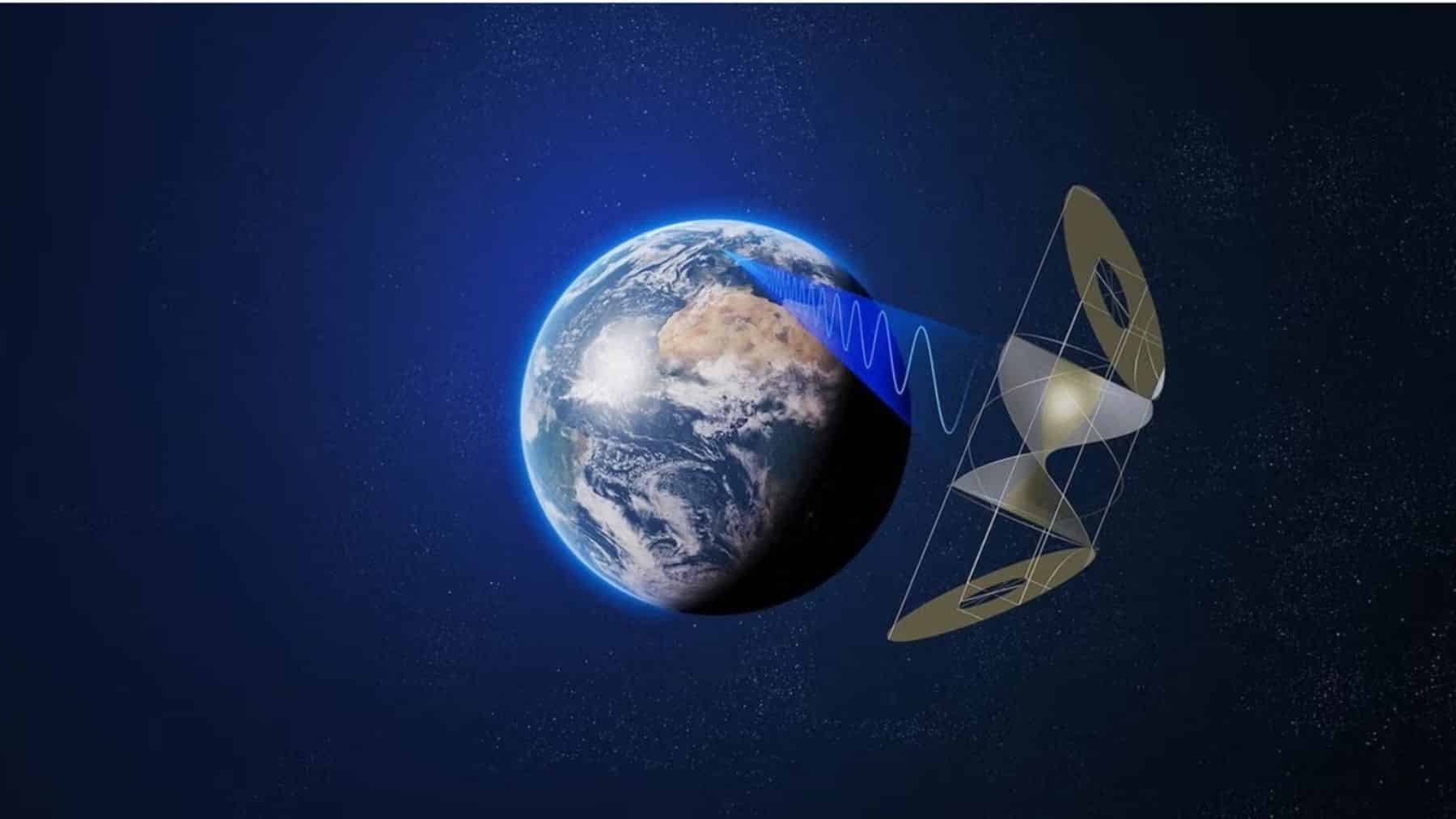
One of the main parts of development is CASSIOPeiA (Constant Aperture Solid-State Integrated Orbital Phased Array). CASSIOPeiA is a satellite specifically engineered to trap solar energy in space and project it back to Earth. The beautiful part of CASSIOPeiA’s solar panels is that they have been created to work irrespective of whether it’s day or night and in all weather and atmospheric conditions. CASSIOPeiA can perhaps be said to offer 13 times more energy than the more traditional solar panels on Earth.
This solar satellite uses high-efficiency reflectors to collect and redirect solar power continuously. Its core feature is wireless power beaming, enabling safe transfer of collected energy back to Earth, even in bad weather.
Recently, the CASSiDi (CASSIOPeiA Design Integration) project got validated, which was an eight-month-long, £1,7 million initiative. The project tackled key ideas such as in-space assembly and power-to-mass ratios, and offered the possibility that the space-to-Earth solar farm can materialize.
A forward leap towards solar power capture from space
A core feature of CASSIOPeiA is the electronically steerable 360° beam that does not have any moving parts. Being rather solid, the risk of mechanical failure is reduced, and uninterrupted power is ensured. This surely is a forward leap in terms of satellite power systems.
Another future-forward leap is the fact that the system enables global energy distribution. Energy can be exported wirelessly without cross-border interconnectors. Power can be exported wirelessly to remote regions, even when unreliable infrastructure exists.
Understanding the inner workings of this space solar power
The groundwork is one of the most vital parts. The receiver station, called the rectenna, converts incoming radio waves into usable electricity that gets fed directly into national power grids. The safe power beam is low in intensity and enables safe electromagnetic exposure.
Energy that reaches Earth faces limited atmospheric loss and, unlike most solar farms, does not need to worry about clouds and shading. On offer to Earth is a constant source of precise power, building grid resilience on Earth. According to projections, a megawatt-scale demonstration is on the cards within five years, and this will be followed by deployments of 30 MW to gigawatt-scale systems over the next decade.
The design study confirms the technical feasibility of this project, but also offers insight into the environmental and economic feasibility of this project. The carbon footprint of CASSIOPeiA can be compared to other existing renewable sources and does not require any land or water sources. Affordability is also an admirable aspect of the satellite’s capability. On offer are lower launch and construction costs that offer competitive pricing per kilowatt-hour. Thus far, NASA has been surrendering to the most ambitious challenge in history.
A cost-effective solution for ensuring consistent power
According to the UK Space Agency, Dr. Mamatha Maheshwarappa stated how important it is to tap into solar power in space. The link between the energy and aerospace sectors ought to be noted as having benefits even for futuristic space missions.
Success in the CASSiDi signifies a revolution in the global energy sector, and having commercial solar farms within reach shows technology that is worth government investment. For Earth, clean and consistent power from space is on offer. Power will be
transmitted wirelessly without any interruption, and perhaps we can put the sun’s power to good use for generations to come. This project follows developments from the
first-ever solar night panel unveiled to the world.