Photovoltaics are growing not only in efficiency and power, but also in innovation. Remember photovoltaic cells that were made of titanium? The new invention is even more surprising and shatters the main problem of this technology: its operation at night. A group of engineers has created the first solar panel that works with the moonlight, which we can compare as something “better than producing infinite hydrogen at home”. You’ll see why now, and it rivals even with Tesla Lunaroof.
This solar panel is the future of self-consumption at home: It’s better than producing hydrogen
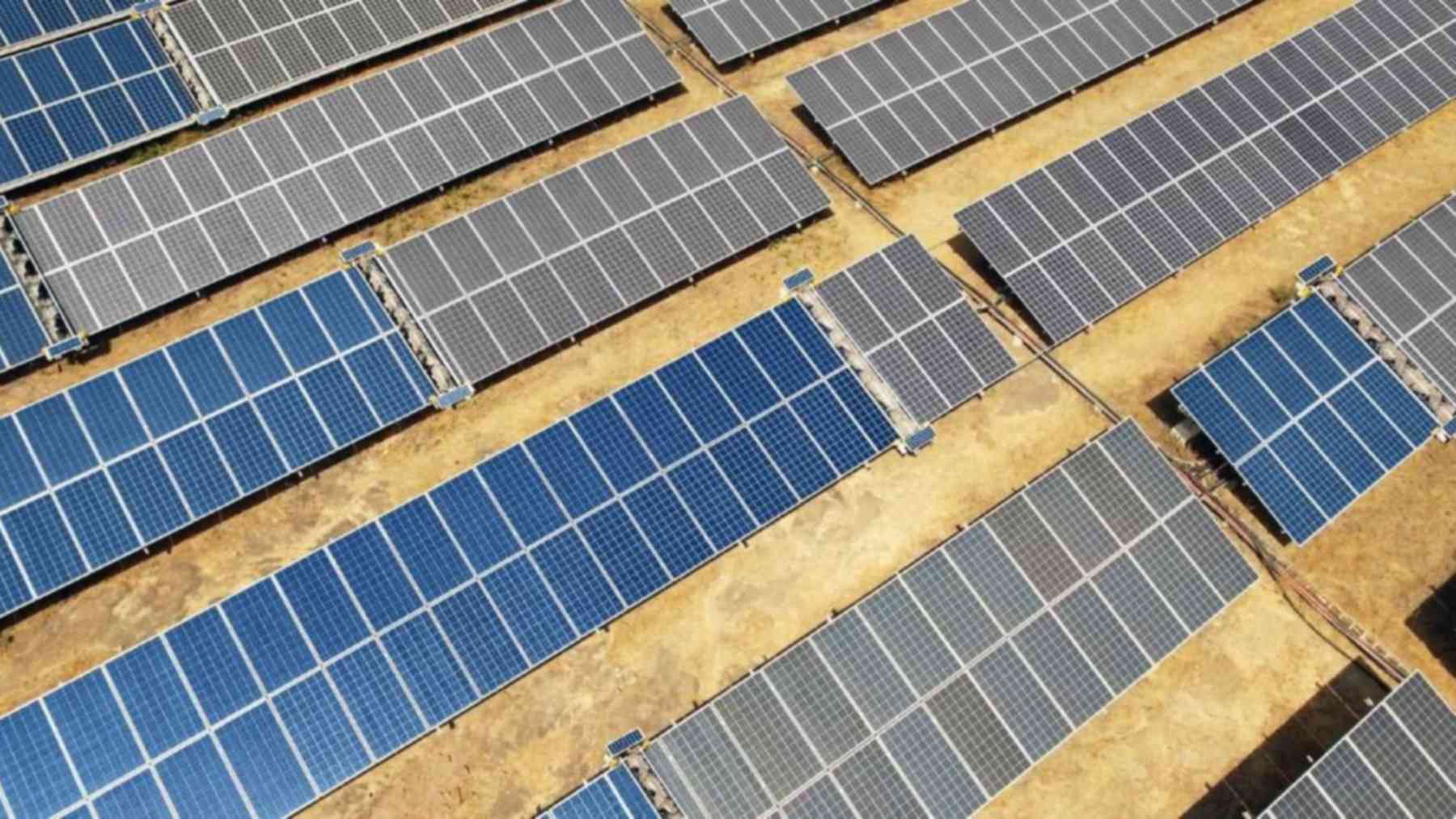
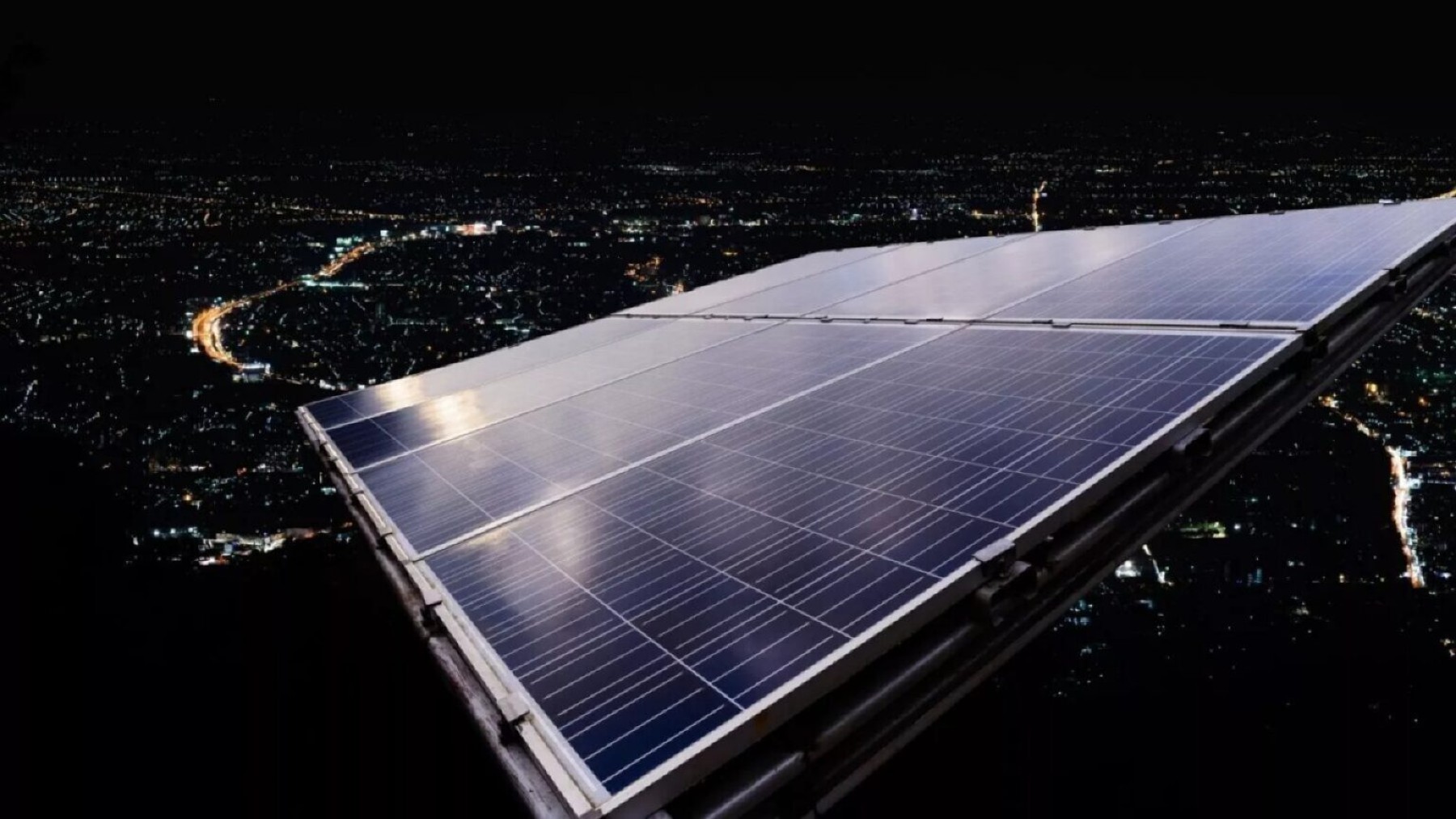
The scientists from the Stanford University have recently addressed this issue, having designed the new type of the solar panels that are able to produce the electricity in the night. This innovative approach solves one of the key issues in conventional rigid solar power systems, which makes it possible to expand continuous renewable energy production.
That which is at the core of this revolutionary technology is what is known as radiative cooling. At nighttime, the solar panels release heat to the space and cool down to temperatures lower than the ambient air temperature. The team from Stanford University has managed to come up with a very creative way of harnessing the difference in temperature to conduct electricity.
This was done by the researchers integrating a thermoelectric generator in the traditional sun power solar cells to fulfill this. It is possible to use this device to generate electricity from temperature differential between the solar panel and air. Consequently, the panel can generate a little power even when they are no rays of sunshine.
From its cutting-edge functionality to its 24-hour generation: Why this new solar panel is so innovative
The modified solar panel system developed by Stanford University boasts several notable features:
- Continuous Power Generation: This new technology of solar power is one that is different from the normal solar panels, which operate during the day and not during the night.
- Off-the-Shelf Components: This system was developed from easily obtainable material and components, and it was established that the use of such material and components may make it easier to spread the implementation of the system to involve other larger institutions.
- Dual Functionality: Not only does the thermoelectric generator provide for electricity generation at night, but it also improves efficiency during the day when it works in tandem to produce more electricity as the panels get hotter.
- Potential for Existing Panel Upgrades: It can also be applied to the existing solar panel installation; thereby increasing its scope and application drastically.
Tesla Lunaroof, another exciting invention in photovoltaics: What about the other “night solar panel”
As fascinating as Stanford’s solar panels which work during the night may sound, it is essential to mention that Tesla does not in fact have a product known as Lunaroof, which many seemed to have thought was the nomenclature for the company’s solar roof product, the Solar Roof, which is essentially photovoltaic tiles designed to mimic normal roofing shingles.
Indeed, as Tesla’s Solar Roof is a conventional PV system; it lacks the ability to produce electrical energy during the night. In contrast, Stanford’s technology can produce more energy at night. On the other hand, it’s essential to understand that Tesla’s Solar Roof units appear to have much greater daytime power generation capability than the modified panels of Stanford’s lab.
Once we have learned about the potential of this new solar panel with moonlight, we have a “prediction” for the future. It may not become the world’s bestseller (or maybe it will), but it will be an indispensable solution for those regions of the planet that have fewer hours of sunshine. Even here in America, it could be useful for the northern states, especially Alaska, which are more dependent on fossil fuels, something that could now suddenly change.