An ancient disease that rides in dirty water is quietly reinventing itself as a modern superbug. Typhoid fever, long pushed to the margins of public attention in richer countries, is evolving fast and slipping past the antibiotics we still rely on.
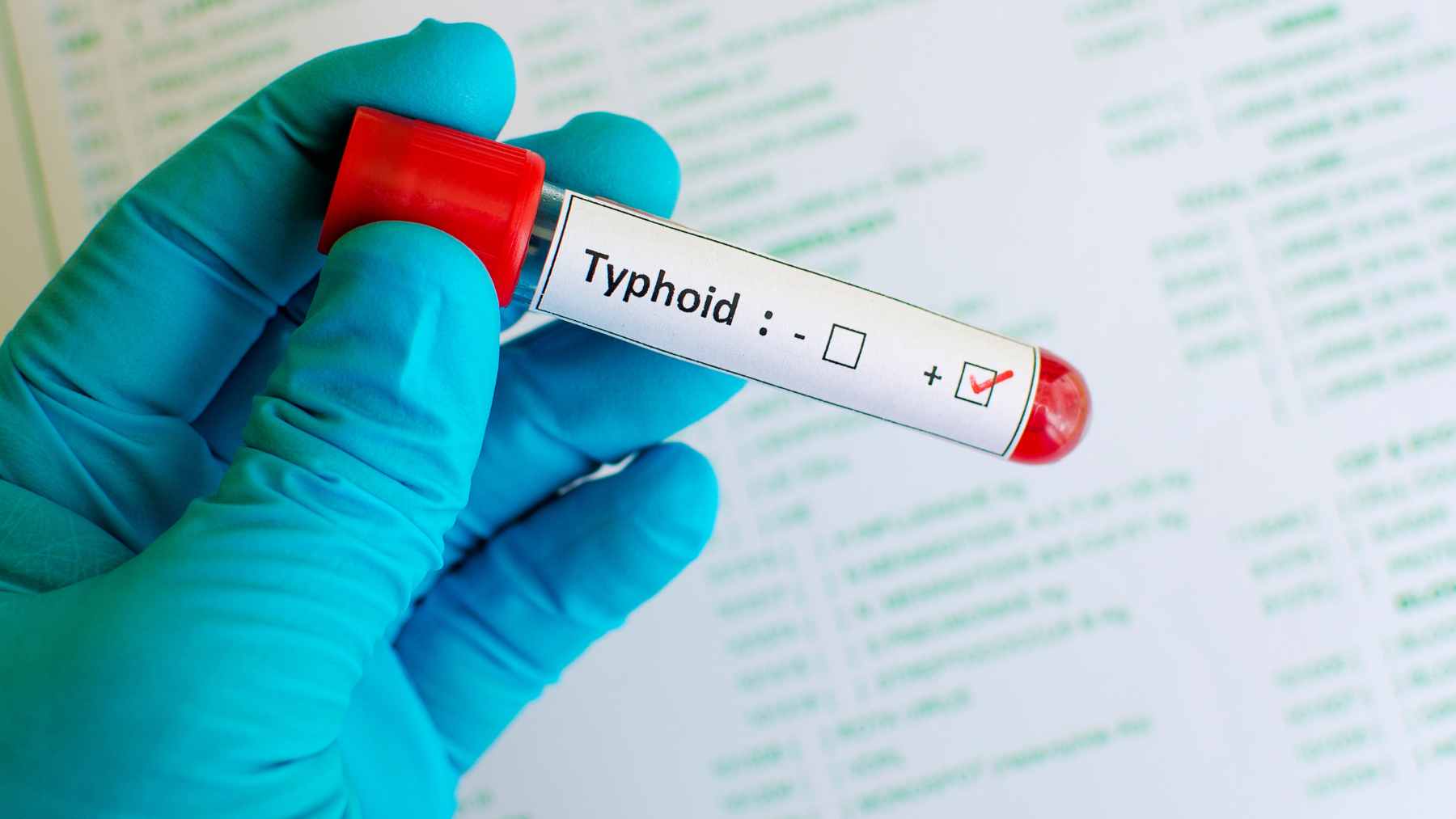
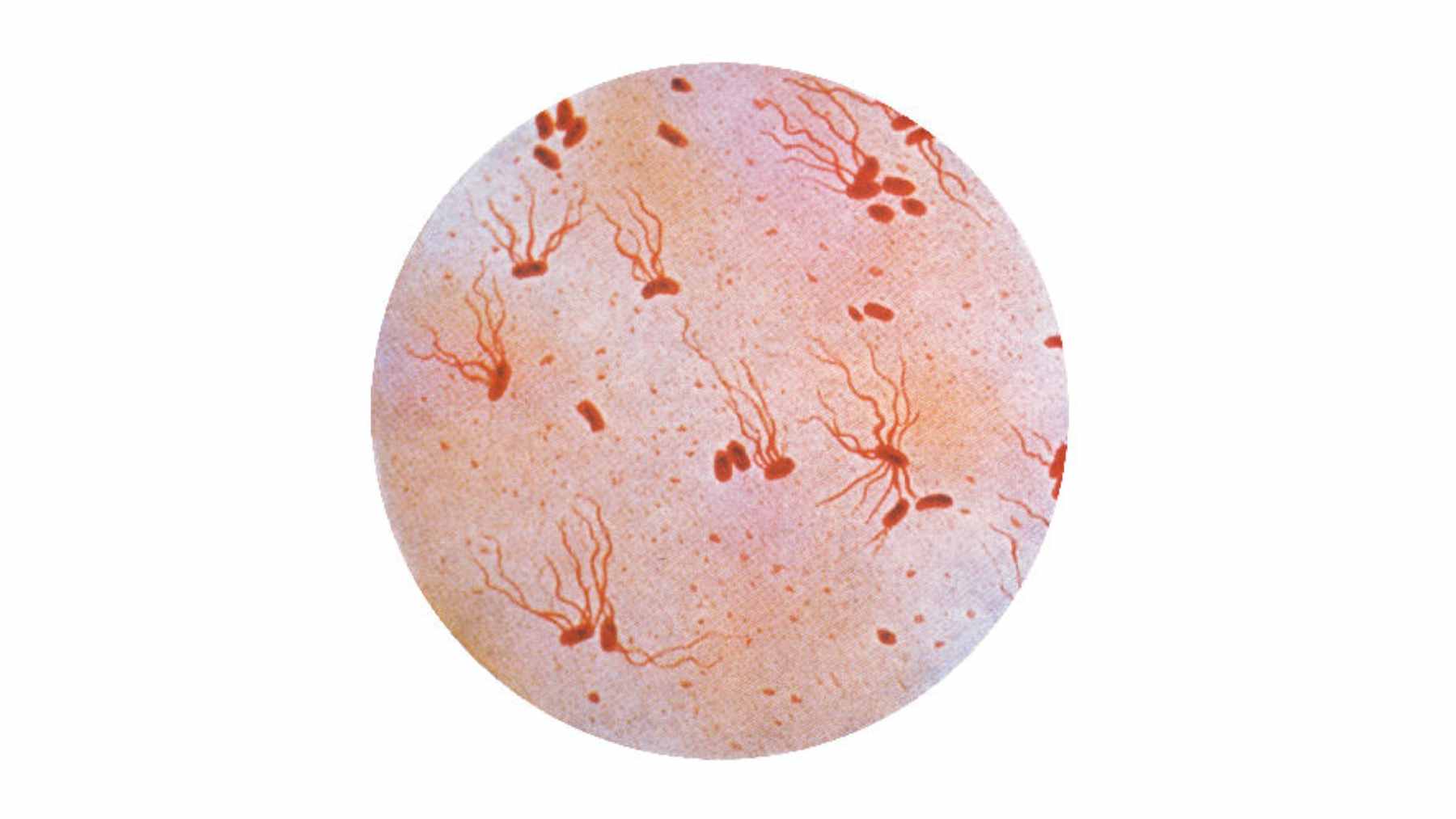
New genetic research on the bacterium Salmonella enterica serovar Typhi, which causes typhoid fever, shows that drug-resistant strains are spreading across southern Asia and beyond, replacing older strains that were easier to treat.
That shift matters because the disease has never really gone away. Recent estimates suggest that typhoid and paratyphoid fevers still cause on the order of ten to twenty million illnesses and around 100,000 deaths every year, mostly in low- and middle-income countries where safe drinking water and sanitation are not guaranteed.
At the same time, antimicrobial resistance is rising across many bacteria. By the count of the World Health Organization, drug-resistant infections directly killed about 1.2 million people in 2019 and contributed to nearly five million deaths, more than HIV and malaria combined.
What scientists are seeing in the lab
In this context, the new typhoid data sound like an alarm bell. In a large genomic study, scientists sequenced 3,489 typhoid isolates from patients in Nepal, Bangladesh, Pakistan and India, then combined them with thousands of older samples to track how resistance travels across borders over time.
The team found that extensively drug-resistant Typhi, which shrugs off standard oral antibiotics, has taken hold in Pakistan and is now the dominant strain there. It has already seeded cases in more than a dozen other countries through international travel, including destinations in Africa, the Middle East, Europe, North America and Asia.
They documented repeated examples of strains that resist older drugs such as ampicillin and chloramphenicol as well as newer oral drugs such as fluoroquinolones and third generation cephalosporins. For many patients, especially in crowded cities with limited hospital access, the only remaining convenient option is the macrolide azithromycin.
So what happens if that last pill stops working? The same research and follow up studies are already picking up azithromycin resistance mutations in typhoid strains across South Asia and even in imported cases in the United States.
As infectious disease specialist Jason R. Andrews puts it, “The speed at which highly resistant strains of S. Typhi have emerged and spread in recent years is a real cause for concern.”
Why dirty water and a warming climate matter
Typhoid spreads through contaminated food and water, which makes this story as much about pipes, sewers and climate as it is about pills. When heavy rain overwhelms drainage or floods pit latrines, sewage can spill into rivers, wells and household storage tanks, and the risk of typhoid rises sharply.
Picture a child filling a cup from a street side tap after school or a family rinsing vegetables for dinner in water that looks clear but is contaminated upstream. Add hotter weather, more intense downpours and aging infrastructure, and suddenly that everyday routine becomes part of a much larger climate and health problem.
Urbanization and climate change are already flagged by global health agencies as forces that could increase typhoid’s burden, especially where wastewater systems are fragile and informal settlements sit on flood-prone land.
In those settings, once a drug-resistant strain gets into the water network, it can move quickly from one household to the next.
Vaccines, water systems, and a way forward
The encouraging news is that typhoid is vaccine preventable. Typhoid conjugate vaccines, which provide longer lasting protection in young children, are being added to routine childhood immunization in several endemic countries after formal recommendations from the World Health Organization and national advisory groups.
As of 2025, the World Health Organization has prequalified four typhoid conjugate vaccines, opening the door for wider use through programs supported by partners such as Gavi, the Vaccine Alliance.
Pakistan became the first country to roll out routine typhoid vaccination nationwide, and modeling work in India suggests that vaccinating children in urban areas could prevent up to about one third of typhoid cases and deaths.
Experts see these vaccines as part of a broader plan to protect antibiotics. Every case averted is one less course of treatment, one less chance for Salmonella Typhi to pick up new resistance genes, and one less family hit with a dangerous infection that may require costly intravenous drugs in a distant hospital.
In practical terms, that means investing in climate-resilient water and sanitation systems, rolling out typhoid conjugate vaccines where disease burden is high, and tracking resistant strains through laboratory and wastewater surveillance so that outbreaks are caught early.
None of this is a distant problem confined to one region. In a world linked by air travel and shared waterways, an infection that starts in a neighborhood with a broken pipe can eventually reach a kitchen thousands of miles away.
The study was published in The Lancet Microbe.