China is backing living battery tech from microbes, but in the process, China is saying goodbye to lithium hopes. Researchers are considering bio-bacteria that are powered by living bacteria. The living battery has a self-charging efficiency of 99,5%, making it worth researchers’ time and effort. China is shifting away from resource-intensive batteries that harm the environment, and the country is moving towards a future where electronics and biology merge.
Understanding the living battery from a broader perspective
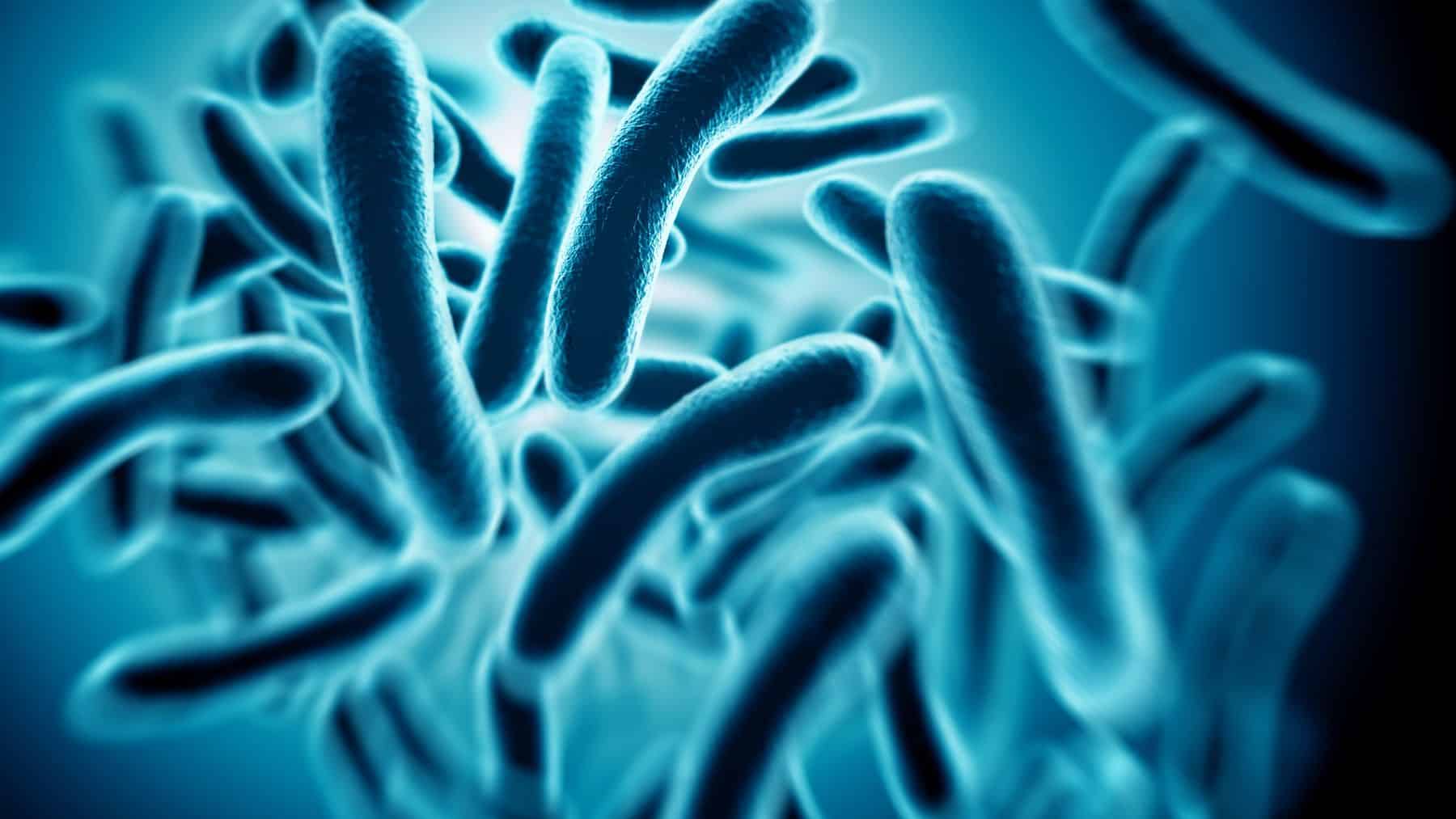
It was Chinese scientists from the Shenzhen Institutes of Advanced Technology who created a bio-battery that utilizes electroactive bacteria, primarily Shewanella oneidensis MR-1. One core aspect of this bacterium is that it can produce electricity via its natural metabolic processes. Looking at such a device as a battery is great because it is able to generate electricity as well as store it.
Thus far, bacteria have been captured within 3D-printed hydrogels that serve as conductive biofilms. These hydrogels are able to maintain the biological activity of the bacteria and ensure longer-term electron flow. Such a battery was built into a standard 2023 coin-cell shell. The bio battery can also charge itself over multiple cycles, ensuring cell viability of over 90%. An amazing aspect was that the bacteria managed to live and remain functional after repeated charge and discharge cycles. Hence, the bacteria offer a stable and constant energy platform.
An environmentally friendly energy storage method
China is looking at an energy storage method that is new and filled with potential. In moving away slightly from its fixation on lithium batteries that have become popular for all electronic devices and vehicles, lithium’s value for electric vehicles and smartphones cannot be denied. However, it is the mining traditions that harm the environment in the process that makes lithium a rather touchy subject. Gaining lithium, manganese, and cobalt all require environmentally destructive practices, and this shift towards living bacteria may indicate that China is ready to move away from toxic metals.
The bacteria use no toxic metals and pose no harm to the environment. Having an energy density of 0,008 Wh/L as well as a power output of 8,31 µW/cm², it functions at a lower rate than many lithium-ion batteries. However, thus far, the bacterium’s 99,5% energy efficiency is the reason that such bacteria are being considered. The way researchers utilized the living hydrogel as an anode, K₃[Fe(CN)₆]-infused hydrogel as the cathode, and a Nafion membrane as the ion-exchange separator was so as to mimic the composition of a lithium-ion cell.
The positives are undeniable; however, critics argue that the bio-battery does show gaps that are not seen in terms of the lithium battery alternative. Arguably, bio-bacteria may never power vehicles or smartphones anytime in the future.
Bio-bacteria extending beyond the bio-battery function
The bio-battery is being considered for its power, but is being found to have bioelectronic medicine potential. Researchers have considered the stimulation of the nerves, and the bio-battery was able to assist with conditions like hypertension and epilepsy. The bio-battery may also be great for assisting with chronic pain. Since the battery is of a compact size and rather portable, it can be used in implanted medical devices, too.
While the bio-battery is proving to be interesting in many fields, its role in electronics steals the show. Even remote ecosystems will be able to self-power without having to rely on chemical batteries and solar panels. The way we see energy systems that are sustainable is changing for the better, thanks to efforts by researchers and bio-bacteria that prove to be a lucrative alternate option.
Pivoting away from depending ultimately on lithium
While the biological battery has its perks, it does have flaws in comparison to the lithium alternative. However, the bio-battery is not here to compete with lithium. Instead, the bacteria-powered batteries are marking the start of a shift away from being lithium-dependent. The bacteria-powered battery’s ability to self-charge, be efficient, and its bio-compatibility and flexibility make it a battery type worth looking at. The biological battery is surely worth a second glance, as it could very well offer a glimpse into an energy future where lithium still exists but does not dominate.