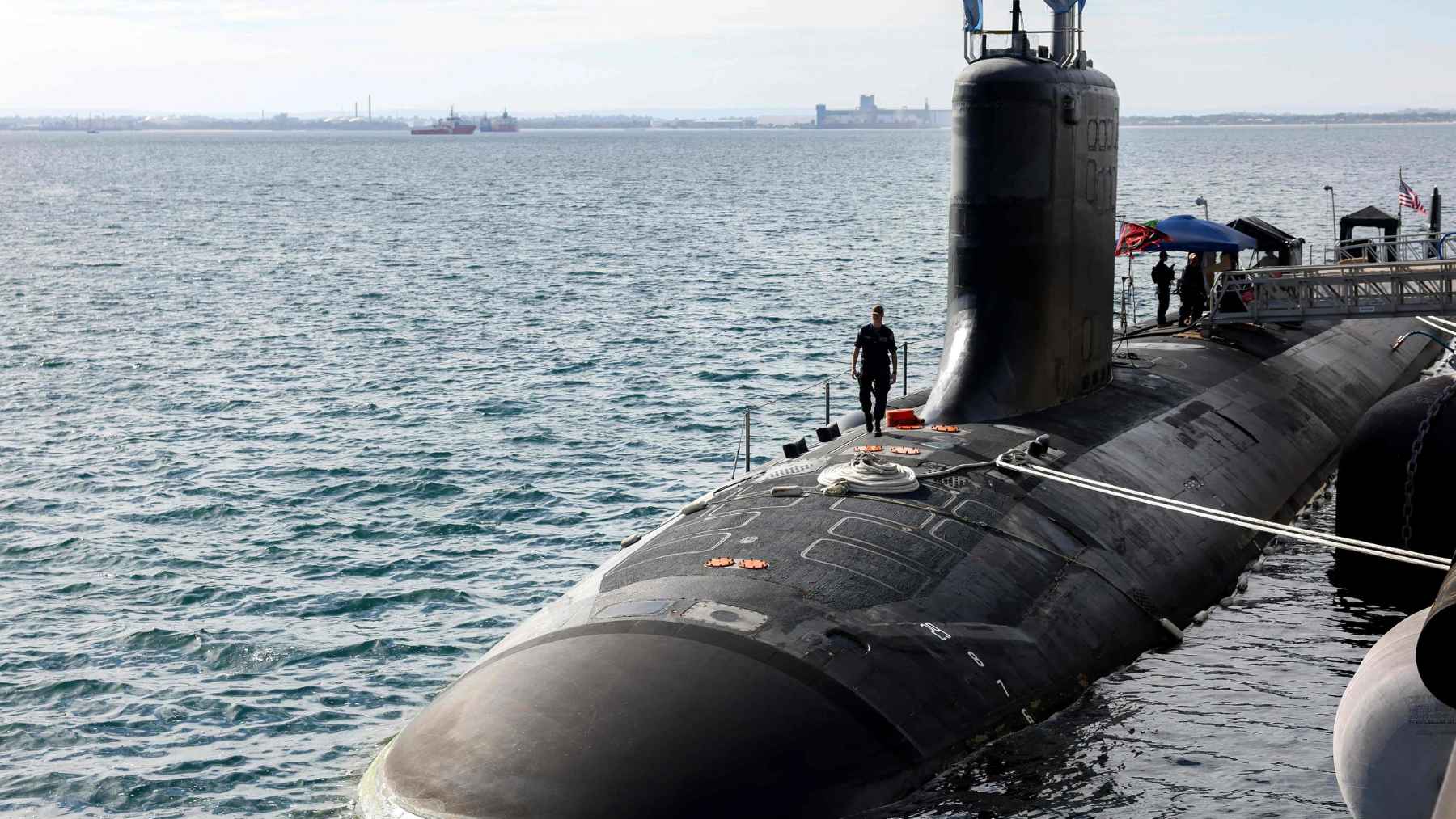
On October 25, 2025, the service christened the future USS Utah, a nuclear-powered attack submarine built in Groton, Connecticut. The name revival matters because the last ship called USS Utah was lost during the Japanese attack on Pearl Harbor in 1941.
So what does a name from World War II have to do with today’s oceans? A lot, actually. The christening adds momentum to a submarine force that U.S. officials describe as central to undersea advantage, at a time when rivals are investing heavily in their own fleets.
A Pearl Harbor name returns to the fleet
The original USS Utah sank quickly on December 7, 1941, after being hit by torpedoes at Pearl Harbor, and 58 crew members died. The wreck was never salvaged, and it still rests where it capsized, a quiet landmark in a place most Americans know from history books.
Today, there is a memorial on Ford Island, but access is limited and often requires a guided visit. That detail is easy to miss, and it helps explain why the name still carries weight for families and veterans who want the story remembered.
What the new USS Utah is meant to do
The new submarine is designed for missions that happen far from the headlines, often out of sight and out of earshot. According to the USS Utah Commissioning Committee, its jobs include tracking enemy submarines and ships, gathering intelligence, supporting carrier groups, and helping with mine warfare, the dangerous work of finding or placing underwater explosives.
It is also built to strike targets on land with Tomahawk cruise missiles, a weapon the U.S. has used in past conflicts when leaders wanted reach without putting pilots over heavily defended areas. In practical terms, that means a single boat can quietly move into position, then influence events hundreds of miles away.
How Virginia-class submarines pack so much power
Virginia-class attack submarines are built around stealth, sensors, and flexibility, which is why they are often described as multi-mission platforms rather than single-purpose hunters. A key idea is modularity, which is a fancy way of saying the design is meant to accept upgrades over time, more like updating a phone than replacing a whole car.
A major upgrade path is the Virginia Payload Module, an added section that makes some versions of the class longer and able to carry more weapons. Congressional researchers describe the baseline design as about 377 feet long, while versions with that added module reach about 461 feet and roughly 10,200 tons underwater, which is the weight of a small mountain of steel moving silently beneath the waves.
Why submarines are getting so much attention now
Submarines are hard to track, and that uncertainty is the whole point. If you have ever tried to find a quiet sound in a noisy room, you get the idea, except the room is an ocean and the stakes are national security.
Money and time are also part of the story. A Congress.gov report notes that costs for Virginia-class boats vary by configuration and budgeting assumptions, with recent estimates reaching into the several-billion-dollar range per submarine. That helps explain why shipyards, suppliers, and staffing are constant pressure points, even when the strategic demand is clear.
What “christened” means and what comes next
A christening is a public milestone, not the finish line. It is the moment the ship’s name becomes official in ceremony, but the submarine still must complete testing and sea trials before it is delivered and later commissioned, which is when it formally enters active service with a full crew.
The October 25 ceremony in Groton followed tradition, with co-sponsors Sharon Lee and Mary Kaye Huntsman performing the bottle-breaking moment at the bow. For most people, it is the part that looks simple on camera, yet it marks years of work and the start of a new phase that is mostly about engineering, training, and proving the boat can do what it was built to do, especially as ocean risks can range from geopolitics to submarine landslides in some regions.
The main official record of the christening has been published by the Defense Visual Information Distribution Service.
The official statement was published on Defense Visual Information Distribution Service, (DVIDSHUB) with further context on undersea systems that also touches everyday infrastructure like submarine internet cables and even clean-energy projects that rely on a submarine cable.