A new dinosaur species has been identified from South Korea after high-resolution X-ray micro-CT scans revealed skull bones sealed inside a stubborn block of rock from Aphae Island. The juvenile, named Doolysaurus huhmini, is the first new dinosaur species described from the country in 15 years and the first South Korean dinosaur fossil reported with portions of its skull.
It sounds like a niche paleontology win, but it is also a lesson in how technology can change what we think we know about nature’s history. South Korea has plenty of dinosaur tracks and eggs, yet far fewer skeletal remains, so a single skull can shift the picture more than you might expect.
A skull in a land of footprints
Korean fossil sites are famous for “trace fossils” like footprints, nests, and eggshells, while dinosaur bones are rare enough that scientists still count them on a short list. The Natural History Museum calls Doolysaurus only the third named dinosaur species from South Korea and the first to preserve skull elements.
One reason bones are scarce is simple geology and bad luck. The Natural History Museum notes that past environments in the region likely favored preserving tracks in soft sediment while making it harder for skeletons to survive intact, which leaves researchers with lots of clues about where dinosaurs walked but fewer clues about what they looked like.
The fossil was found in 2023 in the Ilseongsan Formation on Aphae Island off the peninsula’s southwestern coast, and it includes parts of the skull along with vertebrae and limb bones. Researchers place the animal in the mid-Cretaceous and estimate it lived roughly 113 to 94 million years ago.
How micro-CT cracked the rock problem
The catch was the rock itself. UT Austin researchers said the specimen is so tightly encased that manual preparation could take close to a decade, which is a long time for any lab budget and anyone’s patience.
So the team turned to micro-CT scanning, basically a medical-style CT scan for fossils, to map the skeleton in 3D without chiseling it free. The UT High-Resolution X-ray Computed Tomography facility revealed skull parts the team did not expect, and the scans showed the full extent of the fossil in a few months rather than years.
The approach is not just about convenience, it can protect fragile specimens. UT Austin notes that CT imaging has become a critical tool for revealing delicate fossils trapped in hard rock, and the team then spent more than a year analyzing the anatomy once the scan data were in hand.
Why this baby dinosaur is scientifically unusual
The name Doolysaurus comes from “Dooly the Little Dinosaur,” a wildly familiar cartoon character in South Korea, and lead author Jongyun Jung said “every generation in Korea knows this character.” The species name huhmini honors paleontologist Min Huh, who UT Austin says helped advance Korean dinosaur research and worked with UNESCO-linked efforts to preserve fossil sites.
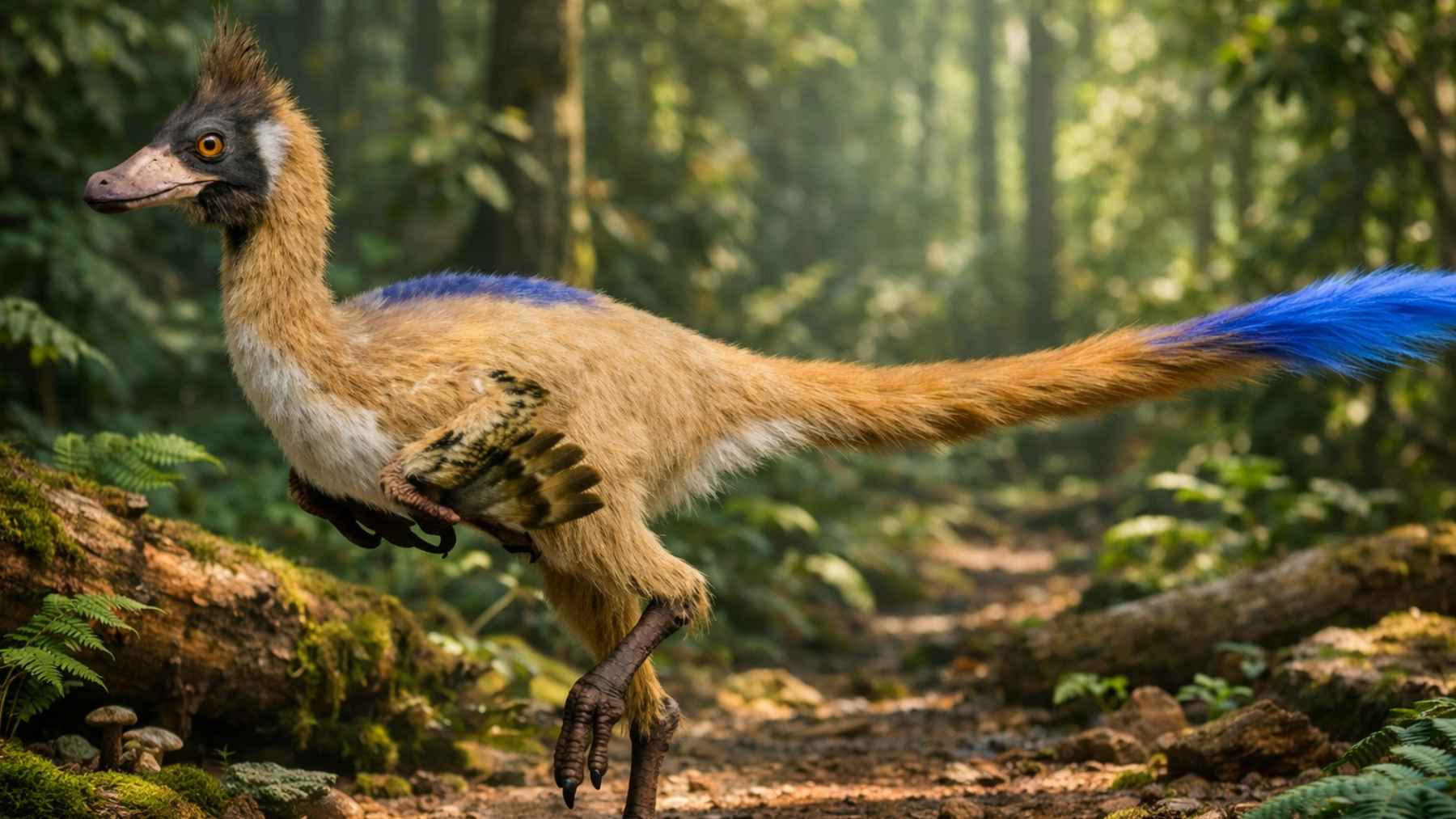
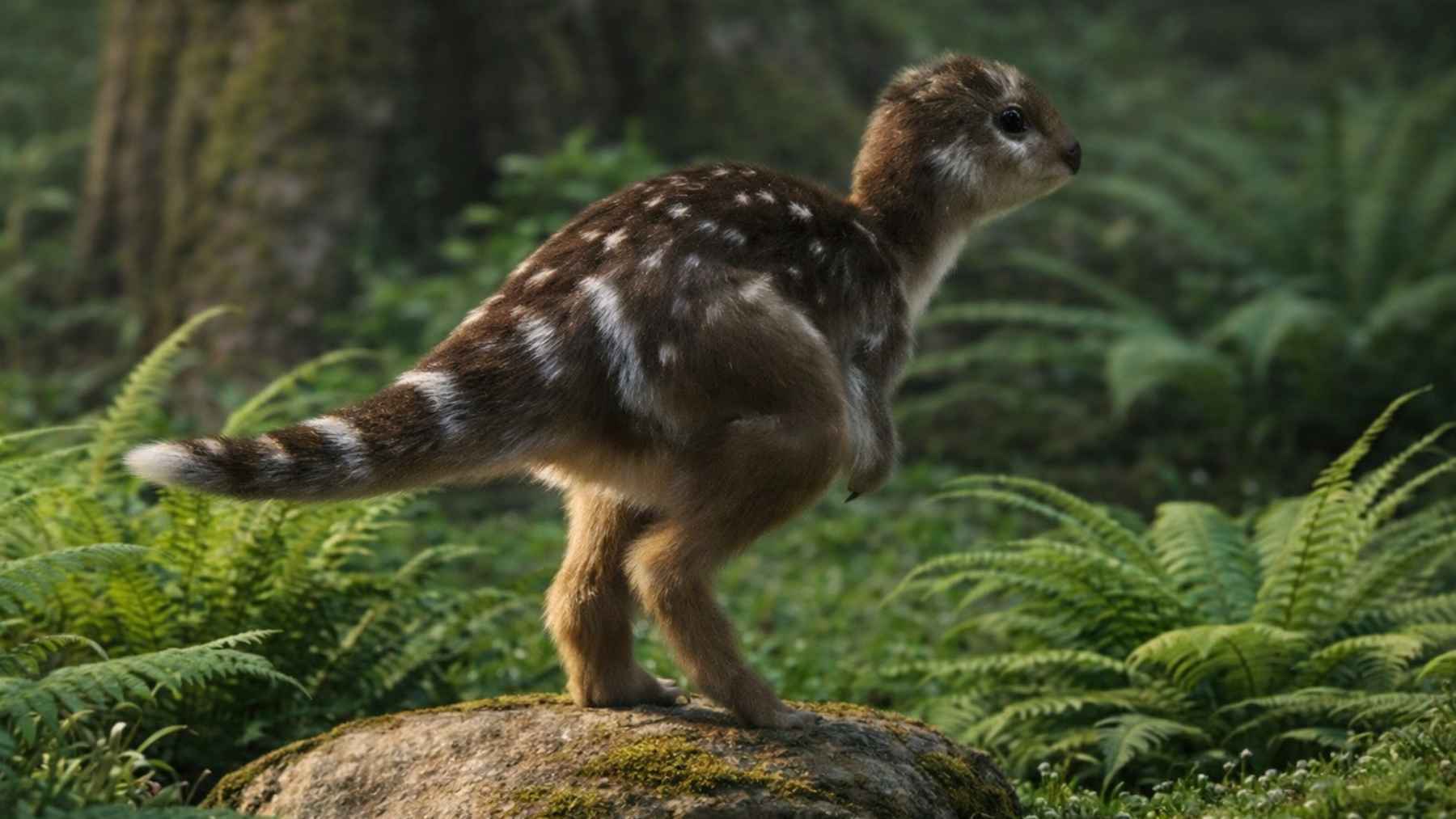
Researchers estimate the fossil animal was about the size of a turkey, while an adult might have grown to about twice that size. Based on anatomy, the team classified it as a thescelosaurid, a small bipedal dinosaur group known from East Asia and North America.
The “maybe fuzzy” detail is where science meets healthy restraint. Researchers suggest it could have had a coat of filaments because close relatives are known or inferred to have been fuzzy, even though the fossil itself does not preserve that covering.
A rare glimpse of dinosaur childhood
Doolysaurus is also valuable because it is young. Researchers looked at growth markers in a thin slice of femur bone to confirm it was a juvenile, which is a standard way to estimate age in fossil animals.
Why does that matter to people who are not building dinosaur family trees for a living? Because bodies change as they grow, and juvenile fossils help scientists sort out which features are age-related and which truly separate one species from another.
Stomach stones and a possible omnivorous diet
One of the most telling finds was a cluster of gastroliths, small stones swallowed to help grind food, which the team found preserved with the skeleton. UT Austin researchers said these pebbles helped prompt the decision to scan, since their tight grouping suggested the carcass was not fully pulled apart before burial.
The gastroliths led the researchers to suggest Doolysaurus may have eaten more than plants, possibly including insects and small animals, although they frame it as an interpretation rather than a final verdict. Sci.News also notes a key caveat, living birds vary widely in how they use stomach stones, so researchers need caution when inferring dinosaur diets from gastroliths alone.
What this could mean for hidden fossils in Korea
Doolysaurus matters partly because it fills a gap in a region where the “track makers” are easier to document than the animals themselves. In a Texas Public Radio interview, Julia Clarke described the mid-Cretaceous as a key interval for dinosaur lineages found in both Asia and North America, and she said the new fossil helps “fill in” that broader connection.
Researchers are already talking about what comes next, more fieldwork on Aphae Island, more scanning, and maybe more bones hiding in hard rock that no one has looked inside yet. For now, Doolysaurus is a reminder that some of Earth’s most important environmental archives are literally locked in stone.
The study was published on Fossil Record.