That spoonful of grated Pecorino Romano you shake over pasta or salad feels routine. Right now, though, thousands of packs of that cheese from well-known brands are part of a nationwide Class I recall after tests found Listeria monocytogenes in products made by The Ambriola Company in West Caldwell, New Jersey. So what exactly is going on with all that grated cheese in home fridges?
Ambriola first initiated a voluntary recall of select grated Pecorino Romano in late November 2025 after routine testing detected the pathogen in cheese processed at its New Jersey facility.
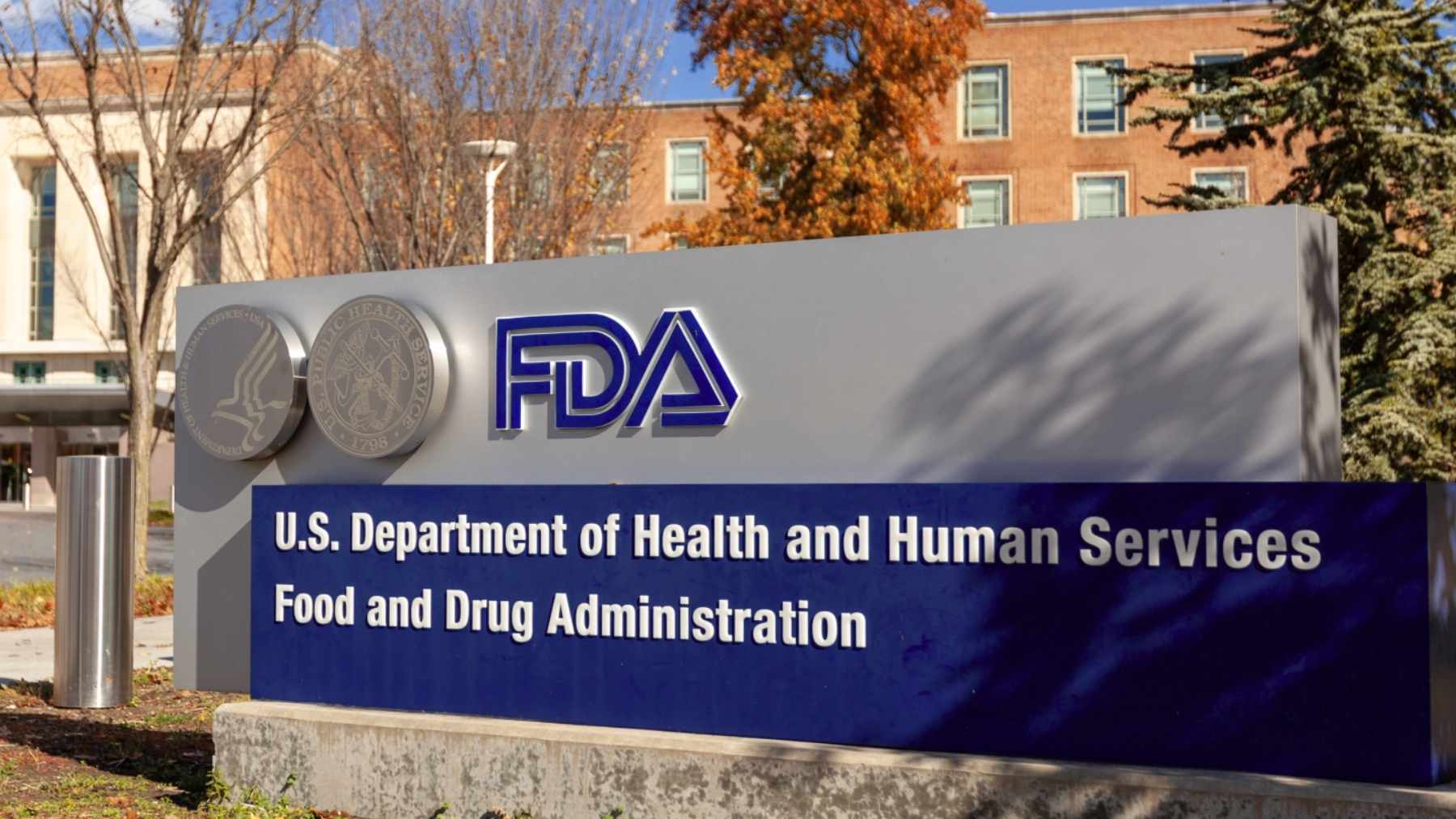
An enforcement report dated January 6 from the United States Food and Drug Administration later raised the situation to a Class I recall, the agency’s highest level of concern for products that could cause serious health effects or even death if eaten.
Company and FDA notices say the recall covers about 11,530 units of grated cheese shipped between November 3 and November 20 to retailers and distributors in twenty states across the country.
The affected products include grated Pecorino Romano sold under the Ambriola, Locatelli, Pinna, Member’s Mark and Boar’s Head brands in small plastic cups for home kitchens and larger bags sold by the pound for restaurants and delis.
So far, no illnesses linked to these cheeses have been reported. Ambriola has suspended production and distribution of the affected lines while it reviews sanitation and food safety procedures and continues to test its plant and finished products together with regulators.
Why Listeria in grated cheese worries experts
Listeria monocytogenes is not just another foodborne bug. Public health agencies describe it as a hardy bacterium that can survive and even grow at normal refrigerator temperatures and is not reliably destroyed by freezing. That means a contaminated tub of grated cheese can sit quietly beside the jar of pickles while the bacteria keep multiplying.
In healthy adults, listeriosis often appears as a short lived illness with fever, headache, muscle aches, nausea and diarrhea. For pregnant people, newborns, older adults and anyone with a weakened immune system, infections can progress to miscarriage, stillbirth, meningitis or bloodstream infection. Symptoms may take days or even weeks to show up, which makes it harder for doctors and investigators to trace the source.
Grated cheeses and other ready-to-eat foods raise special concern because consumers usually do not cook them before serving. There is no final blast of heat in the kitchen that might kill lingering bacteria, and these products often have relatively long shelf lives and move through complex cold chains from factory to warehouse to supermarket and finally into home refrigerators.
Food safety, food waste and the climate link
Once a recall like this is announced, retailers and households are told to pull affected items from shelves and kitchen drawers, then discard them or return them for disposal. Every unopened cup of grated cheese that ends up in the trash represents milk, animal feed, land, water and electricity used to chill, transport and store it along the way.
Globally, food loss and waste are responsible for an estimated eight to ten percent of planet-warming greenhouse gas emissions, so wasted cheese carries a climate cost as well as a financial one.
Listeria thrives in damp, cool environments, the same conditions that define many refrigerated warehouses and processing plants. When sanitation breaks down and the bacterium finds a foothold on drains, conveyor belts or cutting equipment, it can persist for long periods and repeatedly contaminate new batches of food, which is why regular environmental testing and thorough cleaning are crucial in dairy and ready-to-eat food plants.
What consumers can do now
For shoppers, the immediate step is simple. If you recently bought grated Pecorino Romano, especially under the Ambriola, Locatelli, Pinna, Member’s Mark or Boar’s Head labels, check the brand, the package size and the lot or expiration information against the recall details before using it on your next bowl of pasta or in a salad.
If the cheese matches the recalled products or if you are unsure, do not eat it. Throw it away in a sealed bag or return it to the point of purchase for a refund. After removing the product, clean any shelves, drawers, graters and containers that might have come into contact with the cheese, since Listeria can survive in the cold and linger on food contact surfaces.
Anyone in a higher risk group who recently ate recalled cheese and then develops symptoms such as fever, muscle aches or stomach upset should contact a health care provider and mention possible Listeria exposure. Early diagnosis allows doctors to begin antibiotic treatment more quickly if it is needed.
At the end of the day, this recall is a reminder that the grated cheese in the back of the fridge sits on the same long supply chain that links farms, factories, supermarkets and home kitchens. Stronger controls in processing plants, smarter refrigeration practices and shorter, more transparent supply chains can reduce both the risk of dangerous contamination and the waste that follows a nationwide recall.
The official recall announcement was published by the U.S. Food and Drug Administration.