New Research Reveals The US Cities That Have Already Been Doomed By Climate Change
· 2 min de lectura
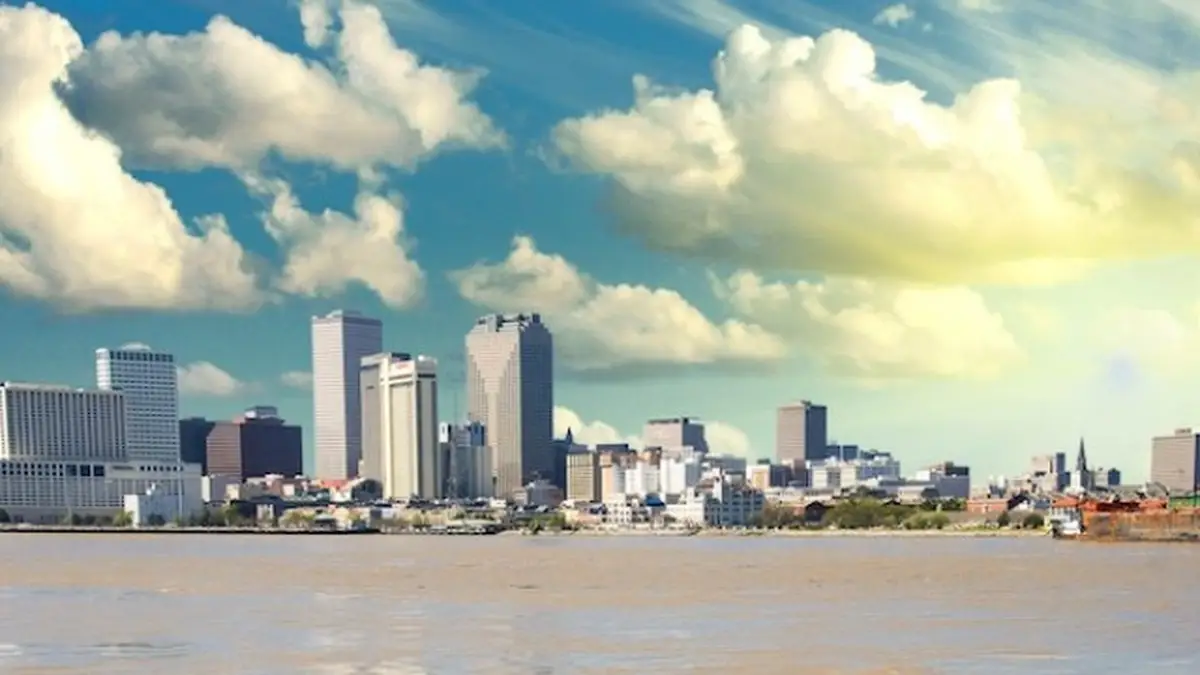
Low-lying American cities such as New Orleans and Miami will be mostly submerged at high tide in the future, but with extreme carbon cuts, large coastal cities in New York and California could be spared, according to new findings published inProceedings of the National Academy of Sciences this week.
Previous work revealed that unabated carbon emissions up to the year 2100 would lead to a global sea-level rise of 4.3 to 9.9 meters (14 to 32 feet). And unfortunately, even if we were to cut carbon emissions immediately and abruptly, temperatures will continue to increase for millennia because of the long residence time of CO2 in the atmosphere and how slowly heat is exchanged between the ocean and the atmosphere.
By examining data on topography, tides, and censuses, a trio led by Climate Central’s Benjamin Strauss calculated the risk U.S. cities face from long-term sea level rise under scenarios of unabated climate change (and the inevitable collapse of the West Antarctic Ice Sheet) as well as those with aggressive cuts in carbon emissions.
More than 20 million Americans currently live on at-risk land, the team found. The total area includes up to 1,825 municipalities, including the majority of 21 cities with population sizes of 100,000 or more. With aggressive carbon cuts–and if the West Antarctic Ice Sheet remains stable–more than half of these municipalities could avoid becoming inundated.
The researchers also calculated lock-in dates. That’s when the cumulative effects of carbon emissions commit a city to a rise in sea level that submerges land where more than half of their population lives. If we carry on as usual with unabated carbon emissions, Norfolk, Virginia, faces a lock-in date of 2045, for example. For New Orleans, the limit has already been exceeded.
«In our analysis, a lot of cities have futures that depend on our carbon choices but some appear to be already lost,» Strauss tells AFP. «And it is hard to imagine how we could defend Miami in the long run.» The low-elevation city’s porous limestone foundation means that sea walls and levees won’t help. «New Orleans is a really sad story,» he adds. «It is a lot worse looking than Miami.» Under all scenarios, Florida is the most affected state. California, Louisiana, and New York trail slightly behind.
The team has developed an interactive map where you can type in any U.S. city or zip code and see its submergence levels with various emissions scenarios.
Comentarios · 0
Normas ›Todavía no hay comentarios. Sé el primero en opinar.