New climate battle looms in South Africa in 2011
· 2 min de lectura
In 2011, governments will try to build on a deal in Mexico to set up a Green Climate Fund to help channel $100 billion in climate aid a year from 2020, along with new systems to protect tropical forests and share clean technologies.
The two-week meeting in the Caribbean resort that ended on Saturday showed an ever-broader belief that a legally binding deal is far off, partly because of opposition by China and the United States, the world’s top emitters of greenhouse gases.
«We still have a long and challenging journey ahead of us,» said Connie Hedegaard, the European Union’s Climate Commissioner, of hopes for a legally binding global deal.
Cancun rejected calls by small island states, which fear they will be washed off the map by rising sea levels, to set a deadline for a treaty when environment ministers next meet in Durban, South Africa, in a year’s time.
Opposition in the United States Senate to President Barack Obama’s calls to legislate curbs on U.S. emissions makes it hard to imagine a new U.N. treaty in coming years – it would need 67 of 100 Senate votes to be ratified.
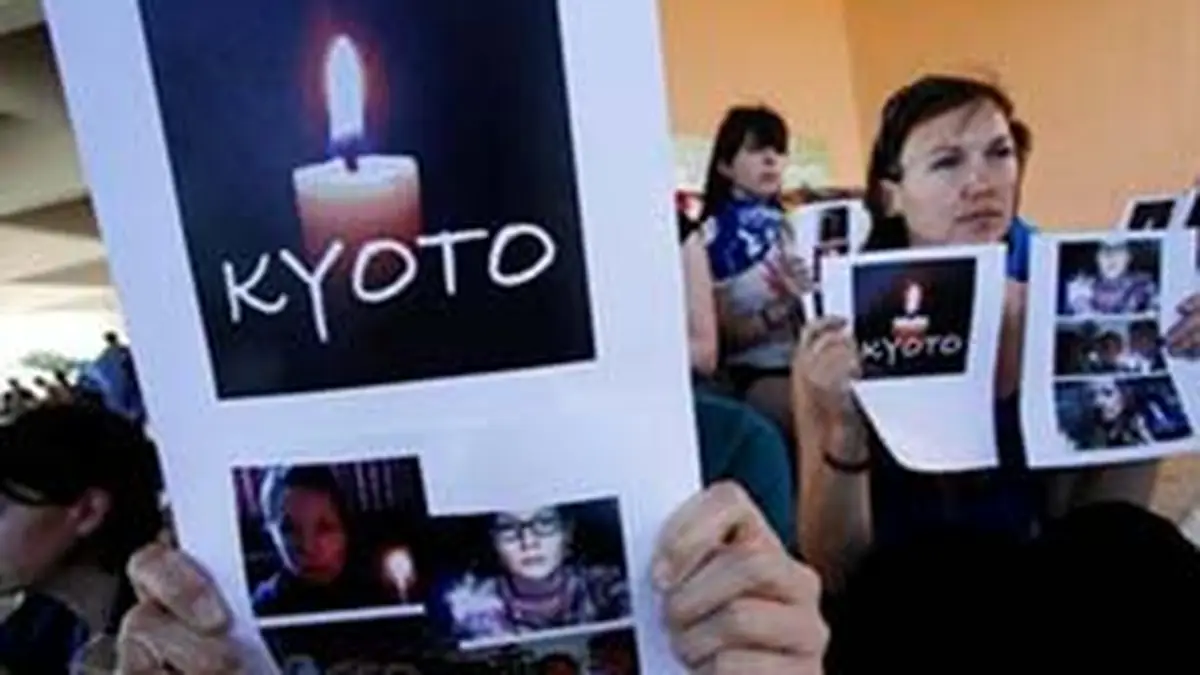
Durban is likely to be the scene of a battle between developed and developing nations about how to extend or replace the U.N.’s Kyoto Protocol, which obliges nearly 40 developed nations to cut emissions until December 31, 2012.
Cancun made little progress toward resolving splits over Kyoto, long-term curbs on greenhouse gases or ways to bolster fragmented carbon markets that are intended to drive trillion-dollar shifts in investments from fossil fuels.
Copenhagen to Cancun
All sides agreed that a main success in Mexico was to get the 190-nation talks back on track after the U.N.’s Copenhagen summit in 2009 failed to agree a treaty and merely came up with a nonbinding deal among 140 countries.
Many of the goals adopted in Cancun – such as limiting a rise in world temperatures to below 2°Celsius (3.6°F) above preindustrial levels, or the target of $100 billion in aid from 2020 – were in the Copenhagen Accord last year.
«Another ‘failure’ would have been crippling, if not fatal, to the whole enterprise,» said Elliot Diringer of the Pew Center on Global Climate Change. Another step forward was that Washington and Beijing, at odds on issues ranging from trade to interest rates in 2010, did not bicker in Cancun.
Many nations say the talks lack urgency compared to threats such as desertification, floods and heatwaves.
On Kyoto, Japan has led calls for a new treaty beyond 2012 binding top emitters including China, the United States and India which have no binding targets for 2012 under Kyoto.
In a tussle over shifting global influences in the 21st century, when China has overtaken Japan in economic influence, emerging powers insist that rich nations must extend Kyoto first before they agree a less onerous deal.
Ms. Hedegaard said that deadlock in Cancun would have meant «we are headed to Doha rather than Durban.» An EU official clarified that she was alluding to the stalled Doha round of U.N. trade talks – not to the Qatari city that is vying to host the climate negotiations after Durban, in 2012.
Comentarios · 0
Normas ›Todavía no hay comentarios. Sé el primero en opinar.