
U.N. climate panel sets one-week deadline to fix errors
· 2 min de lectura
«I think we now have a firm procedure by which we are going to deal with errors, or alleged errors,» Rajendra Pachauri told Reuters during a visit to Oslo, referring to a set of reforms agreed at a meeting in Abu Dhabi on May 17.
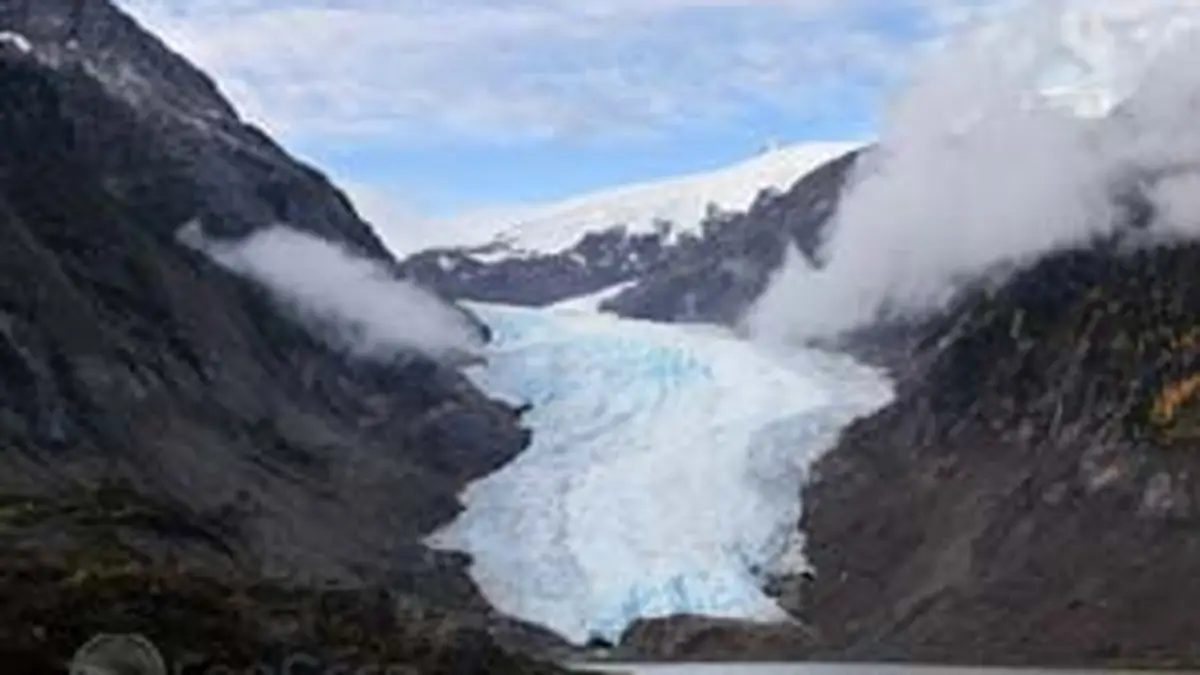
The panel’s 2007 report, the main guide for governments in fighting climate change, included an incorrect projection that all Himalayan glaciers could vanish by 2035, hundreds of years earlier than scientists’ projections.
«My own expectation is within a week or so we should be able to do it,» Mr. Pachauri said when asked what limit the panel should have to fix errors. Previously, there has been no time limit.
«In some cases it can be done in a day or two,» he said, but contacting past authors and consulting experts might take a few days. He said swift action would build confidence in the panel.
Mr. Pachauri also said his Intergovernmental Panel on Climate Change, would act quickly to say when it was looking into possible flaws. «We will have to be prompt in communicating what we are doing,» he said.
The correction of the Himalayan error last year, and other slips, spurred a series of independent reviews about the reliability of a report meant to guide billions of dollars of investments away from fossil fuels toward cleaner energies.

The reviews endorsed the overall findings by the I.P.C.C. that it was more than 90 percent probable that human activities were to blame for most climate change in the last half century.
Failure of communication
Mr. Pachauri said that a «failure of communication» had contributed to delaying the correction of the Himalayan melt – a scientist spotted the Himalayan error but his doubts did not reach I.P.C.C. leaders.
In January 2010, leaders of the I.P.C.C. corrected the Himalayan error «three days from when it was pointed out,» he said. Before then, «nobody among the elected officials had heard about it.»
Graham Cogley, a glacier expert and professor at Trent University in Canada, said he noted the source of the mistake in November 2009 and posted his finding on a glaciologist website.
«It didn’t occur to us to tip off the top brass of the I.P.C.C.,» he told Reuters, reckoning the error was minor. «At the time there was no procedure for fixing errors.» He credited the I.P.C.C. with «moving fast when they found out about it.»
Among other reforms agreed in Abu Dhabi, the I.P.C.C. agreed that its chair would not usually serve more than one term – less definite than a recommendation by experts in a 2010 review by scientific experts in the InterAcademy Council for a one-term limit.
Mr. Pachauri, 70, is in his second term, and says he will stay on until it ends with presentation of the next report in 2014.
Other reforms in Abu Dhabi included tightening checking of sources of information to guard against mistakes and a policy to check conflicts of interest by I.P.C.C. members.
Comentarios · 0
Normas ›Todavía no hay comentarios. Sé el primero en opinar.