For most of human history, the biggest clues about everyday life were thrown away, eaten, or trampled into the soil. Archaeology headlines might spotlight an Egyptian necropolis, but the quieter story of what people actually put on their plates can be even more revealing.
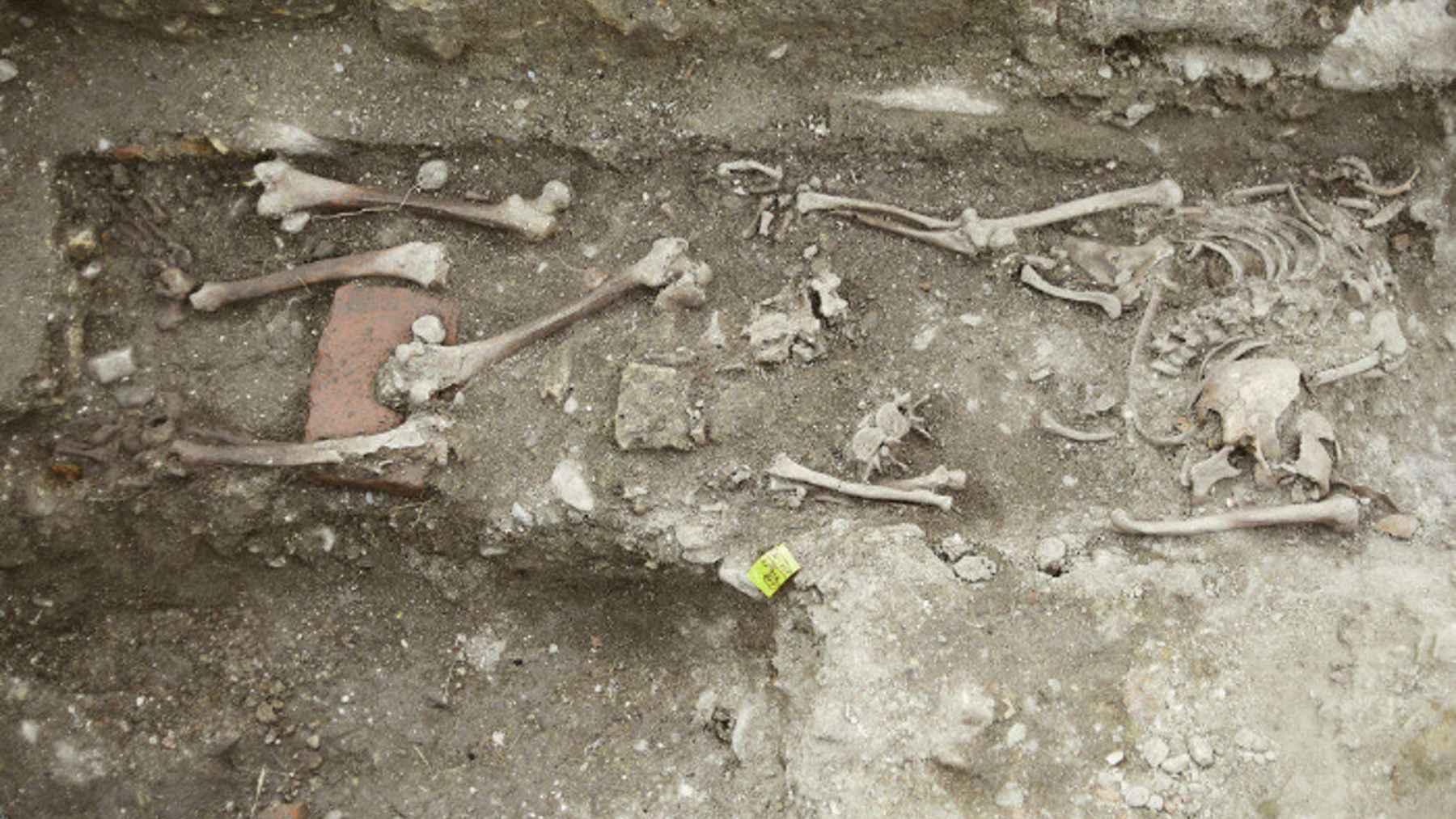
In an open-access study, scientists analyzed 84 individuals from Kuyavia in north-central Poland, spanning about 4100 to 1230 cal BC, and found a long run of mixed farming built on cereals and cattle.
Then the chemistry changes fast, pointing to millet becoming a major staple, with side clues that suggest intensive field fertilizing, cattle grazing in wooded or wetter landscapes, and early hints of unequal access to animal protein.
A chemical snapshot written into bones and grains
The study relies on stable isotope analysis, a method that reads natural variations of carbon and nitrogen in human and animal bone collagen and in charred grains. Think of it as a biological paper trail, where carbon helps distinguish plant types in the diet and nitrogen tends to rise as you move up the food chain from plants to herbivores to humans.
So how do you pin down a timeline for those meals? The team directly dated many remains using radiocarbon dating and calibrated the results with OxCal using reference curves such as IntCal20.
These same tools show up across archaeology, whether you are working with prehistoric skeletons or a 16th-century shipwreck pulled from deep water.
Manured fields and shaded pastures complicate the classic farming picture
One of the most practical surprises comes from wheat grains. Their nitrogen isotope values were often high enough to suggest heavy manuring, meaning fields were likely being enriched with animal waste, a management choice with real labor behind it.
Science has a habit of overturning neat stories, whether it is about underwater canyons or Neolithic farming. If crops are manured, their nitrogen signature can look higher even without extra meat in the diet, which can change how archaeologists interpret who had access to animal protein and who did not.
The cattle story is equally revealing. Isotopes from bovine bones point to shifting herding strategies that at times fit better with forest edges or humid river valleys than with open, treeless pasture, challenging the postcard image of endless grazing lands.
Millet shows up like a bright new signature
Millet, especially broomcorn millet, is a C4 crop, and that botanical label matters because it leaves a distinct carbon isotope fingerprint. In the Kuyavia dataset, a small group of Middle Bronze Age individuals shows much less negative carbon values, consistent with millet becoming a substantial part of the diet.
The shift looks abrupt rather than gradual. Most earlier communities cluster in the carbon range expected for diets dominated by C3 plants such as wheat and barley, while the so-called “millet-eaters” form a separate group, suggesting the crop’s spread was fast once it took hold.
Still, adoption was not perfectly uniform. Nearby communities of a similar age could show little or no evidence of millet intake, implying that food choices and cultural boundaries sometimes moved out of sync, even across distances that would feel like a short drive today, much like how exchanges and identities can be traced later through finds such as Celtic coins and jewelry.
Diet can hint at inequality even when graves look modest
Kuyavia is not famous for lavish burials in this period, so it is hard to reconstruct status from artifacts alone. Yet the nitrogen isotope data show a wider spread during the Early Bronze Age, which researchers interpret as a possible signal of unequal access to animal protein.
That kind of evidence comes with caveats. Bone collagen reflects protein more than the whole diet, and nitrogen values can also be influenced by factors like breastfeeding in young children or physiological stress, so the study treats inequality as a plausible reading rather than a courtroom verdict.
Why this 3,000-year story matters in a warming world
At the end of the day, this research is about more than ancient menus. It shows how long communities have been experimenting with soil fertility, animal management, and crop choices, all under environmental limits that would have felt immediate when harvests failed.
Millet is especially interesting for the present because it is typically hardy and fast-growing, traits that many farmers value as climate risks rise.
When that sticky summer heat hits and the electric bill climbs from running fans and AC, resilient crops and smarter land use stop sounding like niche ideas and start sounding like basic planning.
The study was published in Royal Society Open Science.