If your whole body worked like a brain, would anyone recognize you as intelligent?
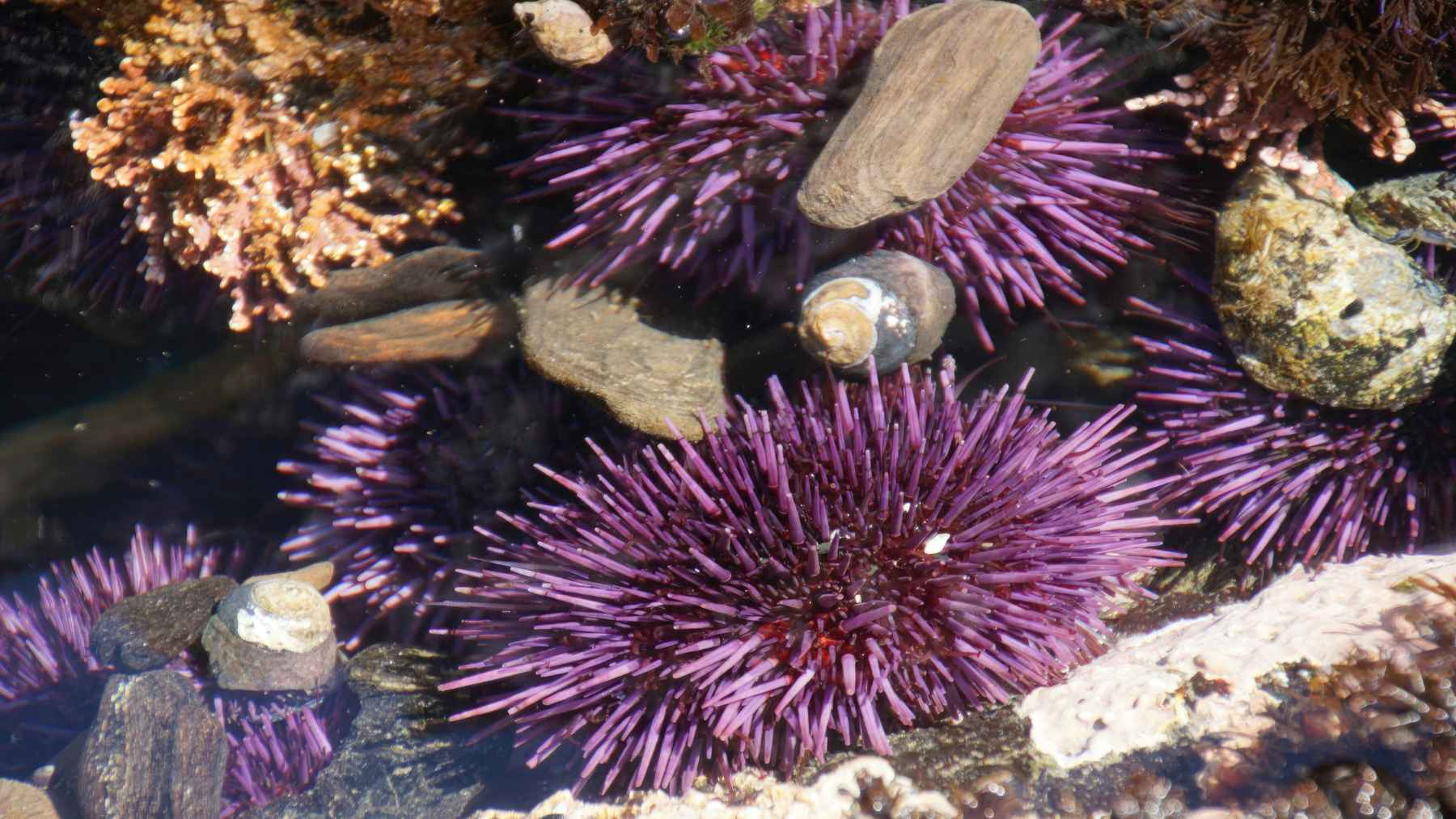
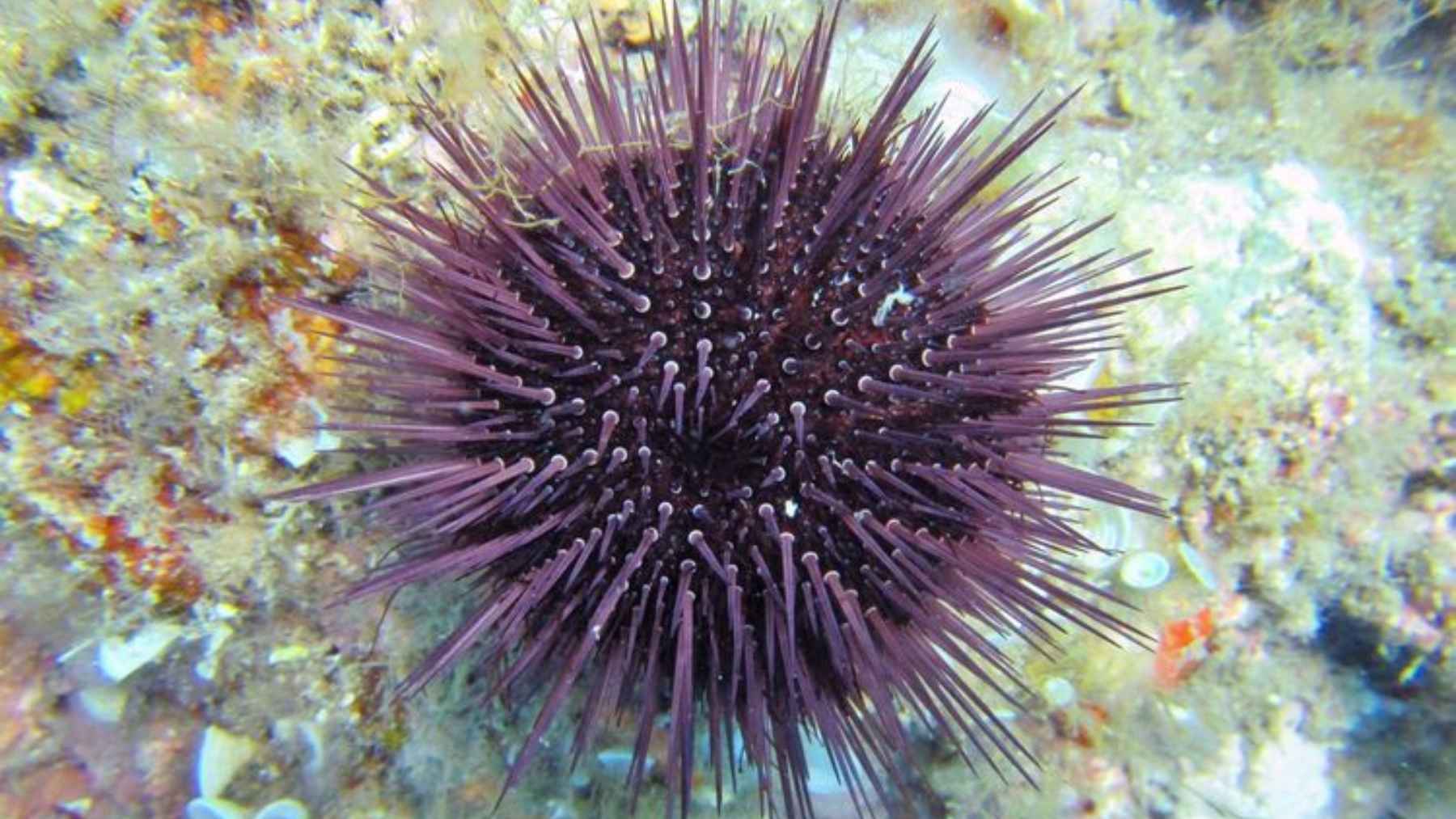
That is more than a sci-fi thought experiment now. It is the puzzle biologists are facing after a new study found that the purple sea urchin, Paracentrotus lividus, carries a brain-like blueprint spread across its entire body instead of packed into a single head.
An international team led by Italy’s Stazione Zoologica Anton Dohrn and the Museum für Naturkunde Berlin used cutting-edge genetic tools to map every cell type in young sea urchins.
What they saw was not the simple diffuse nerve net that textbooks usually assign to echinoderms such as urchins and starfish. Instead they found an integrated nervous system whose genetic wiring closely resembles that of vertebrate brains including our own.
A spiky “head” rolling across Mediterranean reefs
The animal behind this discovery is common enough. The purple sea urchin lives throughout the Mediterranean Sea and along parts of the northeastern Atlantic coast where it grazes on algae and seagrass. It is a key herbivore that can shape entire reef landscapes and, at high densities, create urchin barrens with little plant life left.
It is also heavily harvested as a seafood delicacy in several Mediterranean countries, which makes understanding its biology and resilience more than an academic exercise.
Turning a sea urchin into a cell-by-cell map
To peek under the spines, the team used single-nucleus RNA sequencing. In simple terms, they broke the animals down into individual nuclei and read which genes were switched on in each one. That allowed them to build a detailed atlas of all the cell types in post-metamorphic juveniles.
They identified eight major groups of cell types and, within the nervous system alone, 29 distinct neuronal families, including 15 different kinds of photoreceptor cells.
Many of those neurons express the same families of genes that vertebrate brains use to build and run their own nerve cells and retinas.
Jack Ullrich Lüter, one of the first authors, summed it up in the museum press release. “Our results show that animals without a conventional central nervous system can still develop a brain-like organization.”
A body that is mostly “head” and sees without eyes
One surprising twist is how the urchin’s body is organized at the genetic level. Genes that usually mark the trunk in other animals show up mainly in internal organs such as the gut and water vascular system.
Most of the outer body uses a head-style genetic program instead. In practice that means the urchin is almost entirely “head” wrapped around its shell, with no clear trunk region at all.
On top of that, the researchers found light-sensitive cells scattered across the surface. These photoreceptors produce several opsins, the same types of light-catching proteins used in vertebrate eyes.
One newly-described cell type combines Melanopsin with a Go-type opsin, hinting at a rather sophisticated ability to sense and process light even though the animal has no true eyes. Large parts of the nervous system itself also appear to respond to light.
So the urchin does not just bump around blindly on the seafloor. It likely builds a rough picture of its surroundings through a skin-wide visual system. Not bad for something that looks like a golf ball covered in needles.
Not the only strange brain in the sea, but a new twist
Biologists already knew that nervous systems come in many layouts. Octopuses keep most of their half-billion neurons in their arms, which can perform complex movements with a good deal of independence from the central brain.
Sea stars coordinate movement through a nerve ring and radial nerves rather than a single brain at the front.
Sea urchins add a new twist to that story. They seem to blend the idea of a diffuse nerve net with a brain-like genetic program that covers the whole body. At the end of the day, what this shows is that there is no single blueprint for building a complex nervous system.
Does that mean sea urchins are “smart” in any human sense? Scientists are careful here. The study talks about brain-like organization and shared genes, not about thoughts or feelings. Intelligence and consciousness remain open questions.
What the work does say is that simple categories such as “has a brain” and “does not have a brain” miss a lot of the real diversity out there.
Why this matters beyond the lab
For marine ecologists, the findings are also a reminder that creatures driving big changes in coastal habitats are not just passive lumps. Purple sea urchins help structure Mediterranean seagrass meadows and rocky reefs, and they are under pressure from overfishing and warming waters.
Knowing that their bodies host such a rich and flexible nervous system could eventually change how we design experiments on their behavior, stress responses, and resilience to pollution or climate change. In practical terms that might mean better tools to predict when grazers will tip a reef from lush algal forest to bare rock, or how quickly populations can recover after a heat wave.
It also nudges a broader cultural shift. When you learn that even a spiny ball on the seafloor runs on a body-wide brain, it becomes harder to see marine life as background scenery.
The study was published in Science Advances.