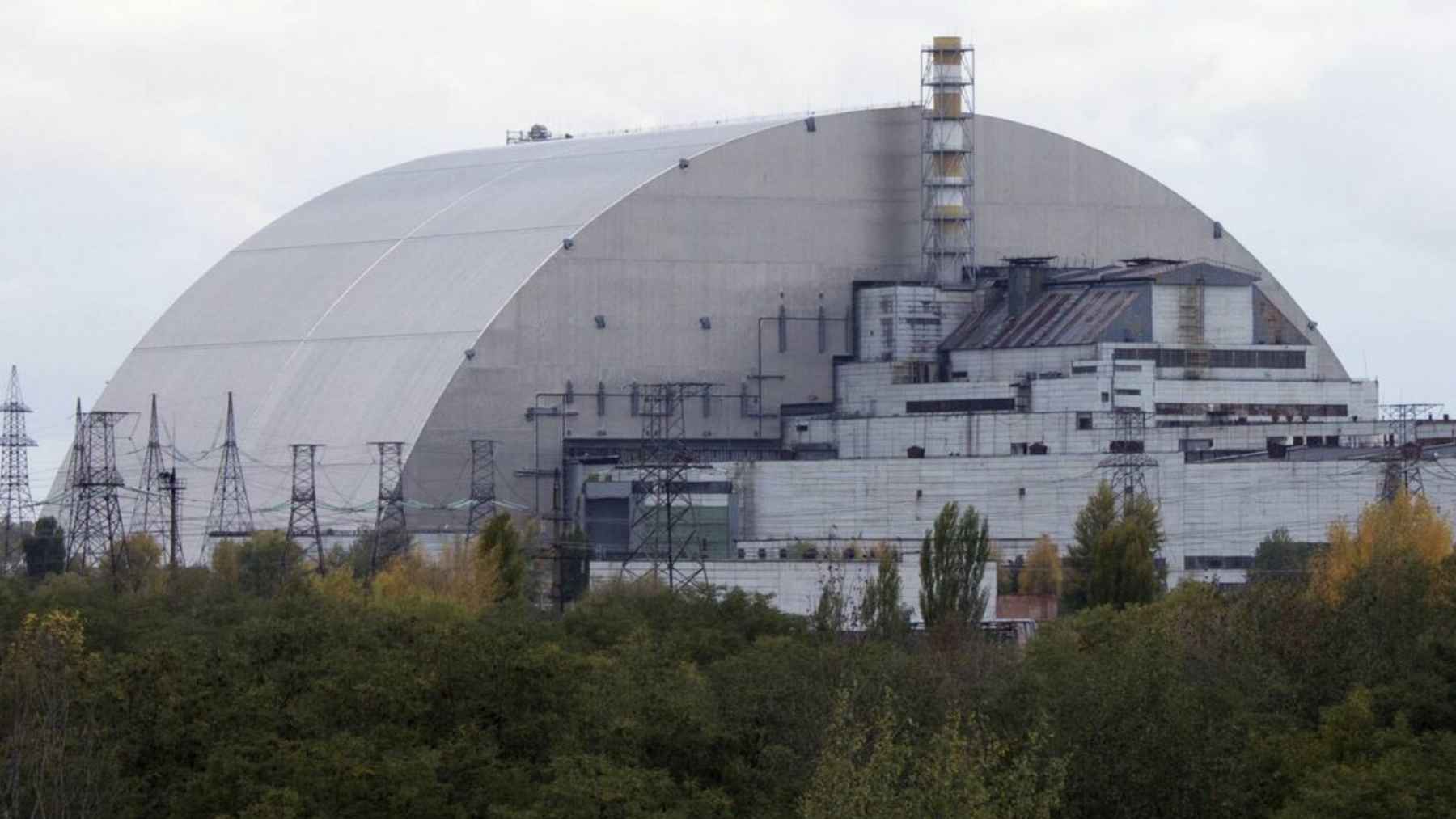
An electrical outage at the Chernobyl Nuclear Power Plant in Ukraine has briefly shut down systems that help cool its stored nuclear fuel. The incident has revived fears of another nuclear emergency in a country already battered by war.
So is Chernobyl really in danger again, or is the headline scarier than the reality on the ground? For now, nuclear experts say the risk of a fuel meltdown is extremely small, mainly because the fuel sitting at the site is old and much less hot than it used to be.
What happened at Chernobyl?
According to the International Atomic Energy Agency, recent military strikes damaged several high-voltage substations that feed Ukraine’s grid, cutting all off-site power to Chernobyl. The outage meant the plant had to switch off systems that normally circulate and cool water around its stored nuclear fuel.
Reporting first highlighted by New Scientist explains that the affected systems are not connected to active reactors but to a large pool where spent fuel is stored under water. Without electricity, pumps stop pushing in fresh cold water, so the pool slowly warms and water can evaporate more quickly.
Ukraine’s Energy Ministry later said external power to the site had been restored and that radiation levels in the exclusion zone remained within normal limits. Even so, the blackout underscored how repeated hits on the grid keep nuclear facilities exposed to sudden power cuts.
Why spent fuel still needs cooling
Spent nuclear fuel is what comes out of a reactor after it has produced electricity for years. It no longer drives a power plant, but it keeps giving off heat and radiation for a long time, a bit like a kettle that stays warm long after you unplug it. That is why this fuel sits in deep pools of water, which both cool it and shield workers from radiation.
Paul Cosgrove from the University of Cambridge told reporters that fresh fuel removed from a reactor releases enough energy that it must be cooled or it could eventually melt. At Chernobyl, though, the fuel in the pool has been stored for more than twenty years, which means much of that energy has already faded away.
In simple terms, the water at Chernobyl now heats up more slowly than it would have in the first years after shutdown. That slower heating is one of the main reasons experts say the fuel should stay intact until power is restored or extra water is added.
How big is the risk right now?
The word meltdown brings people back to the 1986 catastrophe at Chernobyl and to dramatic images they may have seen in films or television series. Yet the current situation is very different, because all four reactors at the site are long shut down and the last one stopped generating electricity in 2000.
Materials scientist Ian Farnan notes that public anxiety about nuclear issues is often much higher than the level of risk shown by technical assessments. A safety review in 2022 already concluded that overheating of the spent fuel during a power cut was unlikely, and the fuel has only cooled further since then.
War, power grids and nuclear safety
Repeated strikes on power infrastructure in Russia’s war against Ukraine have pushed nuclear safety into the spotlight again. IAEA Director General Rafael Grossi has warned that attacks on key substations make nuclear plants more dependent on backup generators and reduce the margin for error if those backups fail.
For families already living through winter blackouts and worrying about the next electric bill, news of outages at nuclear sites naturally hits a nerve.
At the end of the day, the Chernobyl episode shows that aging fuel, water-filled storage pools, and earlier safety checks still offer important protection, but it also shows how fragile nuclear safety can become when civilian power grids turn into military targets.
The main press release has been published on the International Atomic Energy Agency.